Dents, dings and scratches are some of the most common types of car body damage, but the right repair method depends on much more than how large the mark appears.
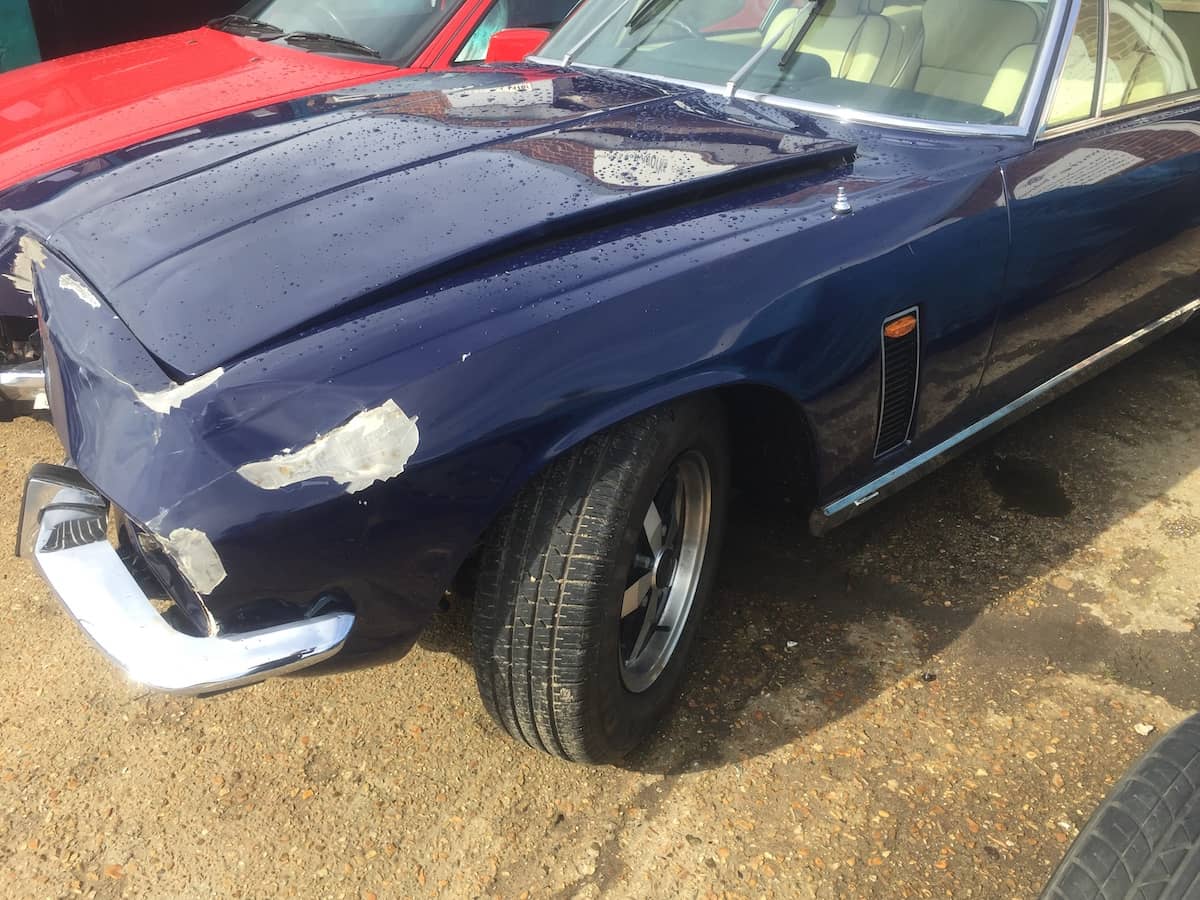
A shallow dent with intact paint may be suitable for paintless dent removal, while deeper damage, sharp creases or broken paint can require conventional body repair and refinishing.
This guide explains the main differences, what affects repair cost and how to judge which type of repair is likely to be appropriate.
The terms are often used loosely, but they usually describe slightly different types of damage.
A ding is generally a small, shallow indentation, often caused by a neighbouring car door or light impact.
A dent can be larger, deeper or more sharply defined and may affect the shape of the panel more significantly.
A scratch damages the painted surface rather than simply changing the shape of the panel. Some scratches affect only the clear coat, while deeper ones can cut through the colour and primer to expose bare metal.
The type of damage matters because each can require a different repair process.
Sometimes.
If the paint is still intact and the metal has not been stretched or sharply creased, paintless dent removal may be suitable.
PDR works by carefully reshaping the panel without sanding, filling or repainting it. This can preserve the original factory finish and reduce the amount of repair work required.
It is commonly used for:
PDR is less suitable where the paint has cracked, the dent is very sharp, access behind the panel is poor or the metal has been stretched significantly.
Conventional dent repair is usually required where reshaping the panel alone is not enough.
This can include damage where:
The damaged area may need to be reshaped, prepared, filled where appropriate, primed and refinished.
For commercial repair work, see our car dent and scratch repair service.
The correct repair depends on how deeply the scratch has penetrated the paint system.
Very light marks that affect only the outer clear coat may sometimes be improved through machine polishing or careful refinishing.
If the scratch has passed through the clear coat and into the colour layer, polishing alone is unlikely to remove it completely.
The area may need local preparation and paintwork.
Deeper damage needs more attention because the protective paint layers have been broken.
If bare steel is exposed, moisture can eventually lead to corrosion, so leaving the damage indefinitely is not ideal.
Not every cosmetic mark is urgent.
A light surface scratch that has not broken through the protective coatings is mainly an appearance issue.
Damage that exposes bare metal is more important because corrosion can start at the damaged area, particularly where the car is regularly exposed to rain and winter road salt.
Sharp edges, loose paint or damage around seams and panel edges can also allow moisture to get underneath surrounding coatings.
Sometimes.
Small localised repairs may be possible depending on the colour, location of the damage and surrounding paint condition.
In other cases, refinishing a larger section of the panel gives a better and more consistent result.
Metallic and pearlescent colours can be more difficult to repair locally because the way the colour is applied affects how it appears in different light.
A bodyshop needs to consider not just the damaged spot, but how the repaired finish will blend with the rest of the panel and neighbouring panels.
Yes.
Dents and paint damage often occur together.
For example, a parking impact may leave the panel distorted and also crack or scrape the paint. In that situation, the panel shape needs to be corrected before the surface is prepared and refinished.
Repairing both problems as one job usually makes more sense than treating the paint damage separately.
Repair is usually preferable where the existing panel can be restored properly, but replacement can make more sense where damage is severe.
Factors include:
A replacement panel is not automatically the cheaper option because fitting, alignment, preparation and paintwork still need to be considered.
There are DIY dent-removal tools available, and very minor damage can sometimes be improved at home.
The difficulty is judging how the metal is moving.
Too much pressure in the wrong place can create high spots, stretch the panel or damage otherwise intact paint. Sharp creases and dents close to panel edges are particularly easy to make worse.
DIY methods are therefore best approached cautiously, especially where the existing paint finish matters.
Minor clear-coat marks may respond well to polishing, but deeper scratches are more difficult to correct invisibly.
Touch-up paint can protect exposed metal and make a mark less noticeable, but it rarely produces the same finish as professional refinishing.
If the scratch is deep, large or on a prominent panel, professional repair will normally produce a more consistent result.
There is no single standard price because two marks of similar size can require very different repairs.
The main factors include:
A shallow dent suitable for PDR will usually involve a very different process from a creased panel that needs reshaping, filling and repainting.
It often can be because the original paint is retained and there is no need for filling, primer or refinishing.
However, PDR is only an option where the damage is suitable.
Choosing it simply because it is potentially quicker or cheaper does not help if the panel has stretched or the paint has already failed.
The first question should therefore be whether PDR can achieve a good repair, rather than which method has the lowest headline cost.
It can, particularly where visible damage makes an otherwise tidy car look neglected.
Minor cosmetic damage may also make buyers wonder whether the vehicle has suffered more substantial damage elsewhere.
That does not mean every small mark needs repairing before a car is sold. The value of the vehicle, repair cost and severity of the damage should all be considered.
On newer or higher-value vehicles, professional repair is often easier to justify than on a low-value older car with several existing cosmetic defects.
The first step is assessment.
A bodyshop needs to establish:
From there, the repair might involve paintless dent removal, conventional panel work, local preparation and paint, or a combination of several techniques.
White's Bodyworks provides car dent and scratch repair in Sussex, including conventional body repair, paintwork and suitable paintless dent removal.
If you are unsure which repair method your car needs, send us photographs of the damage and details of the vehicle. We can usually give an initial indication of the likely approach before inspecting it in person.