The Triumph Spitfire is one of those small British sports cars that still feels full of character. Built from the early 1960s through to 1980, it was designed as an affordable two-seat roadster, with Michelotti styling and much of its basic engineering drawn from the Triumph Herald. That combination gave it a simple, lightweight feel that still appeals today.
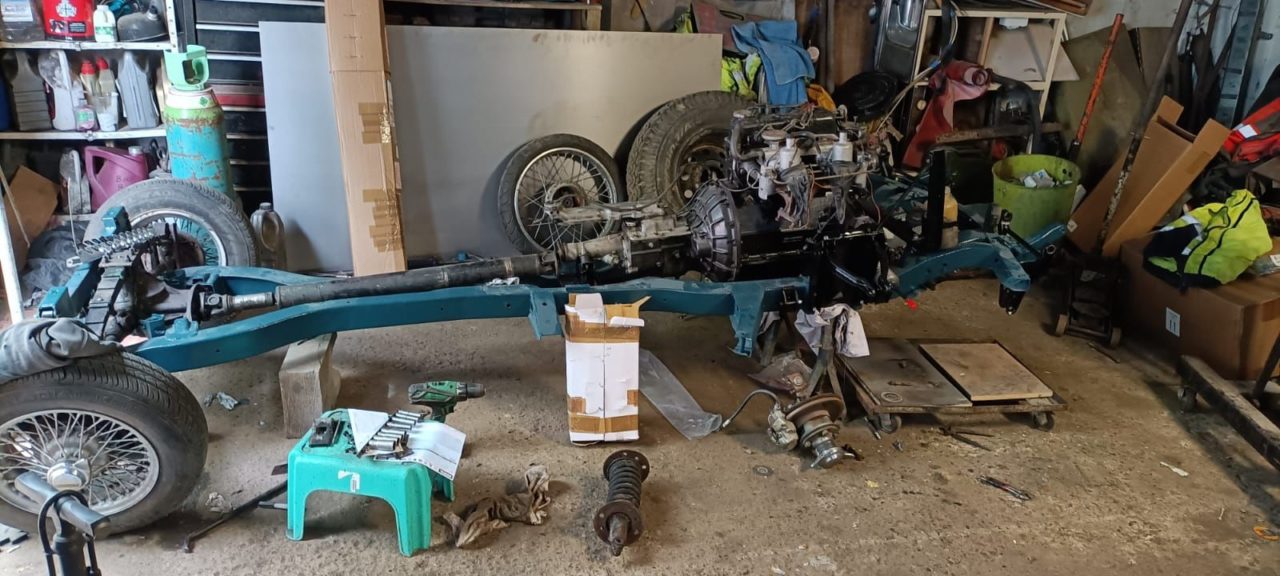
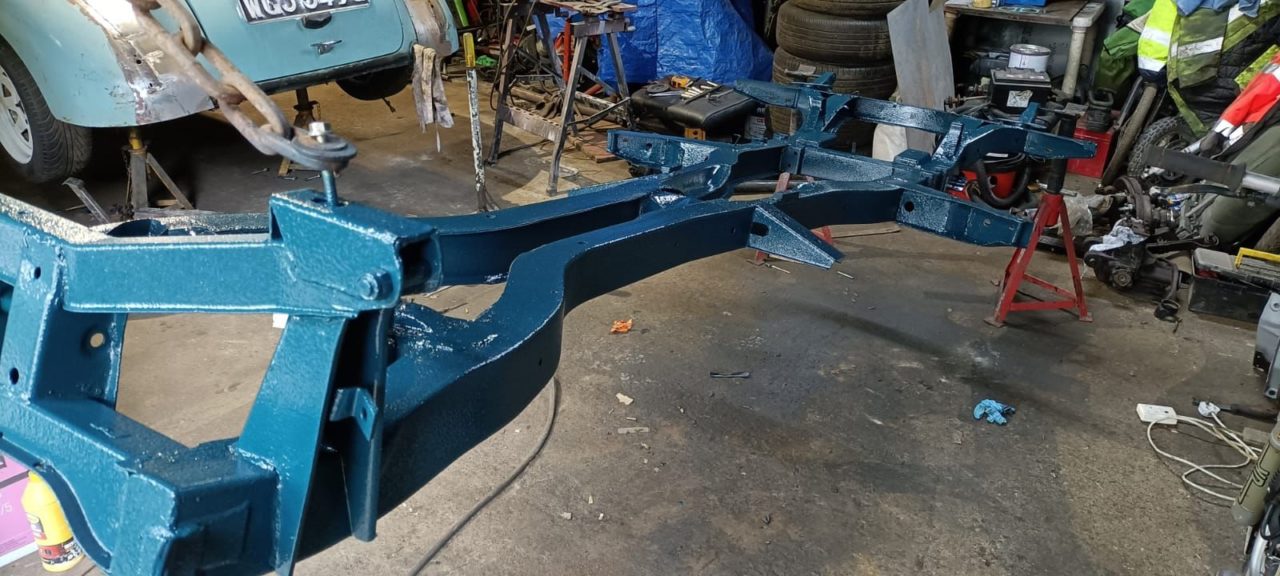
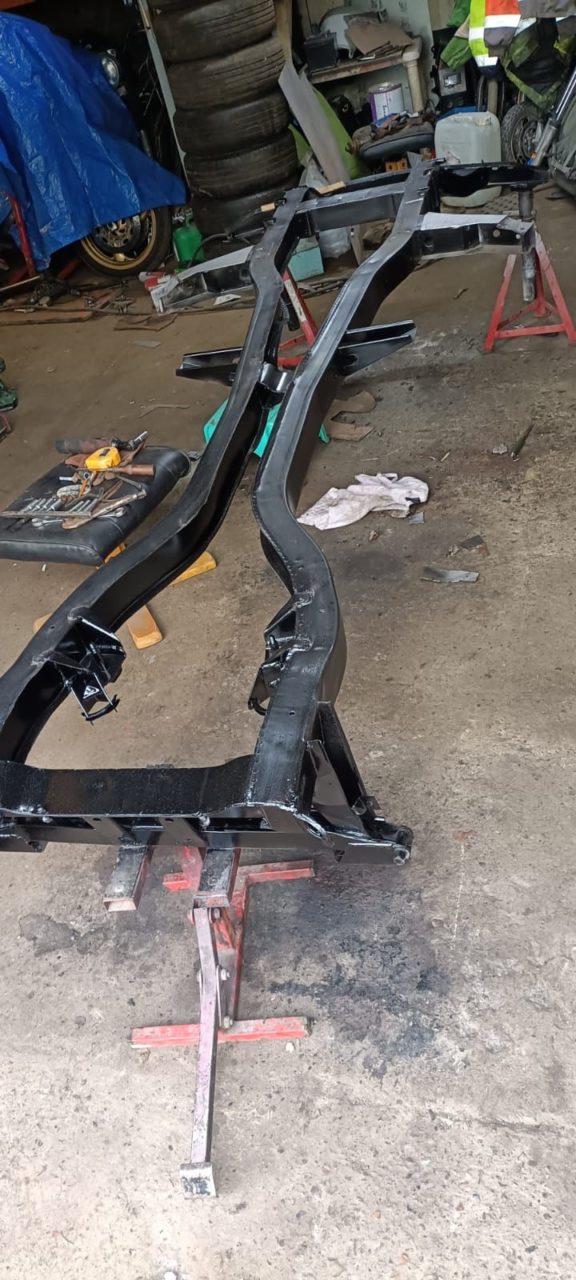
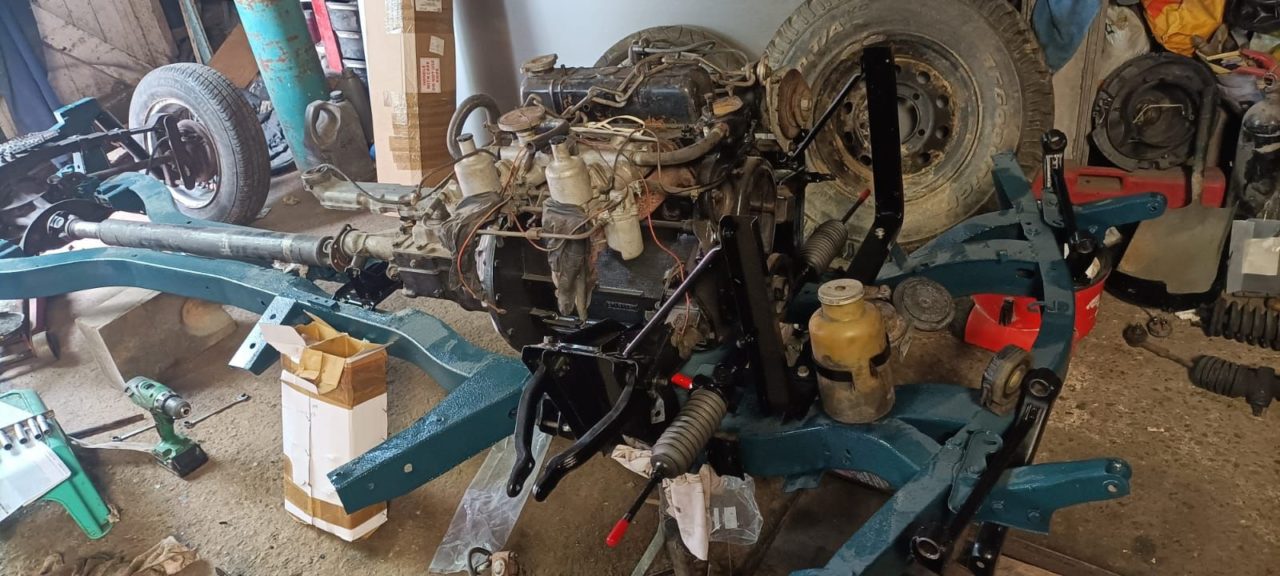
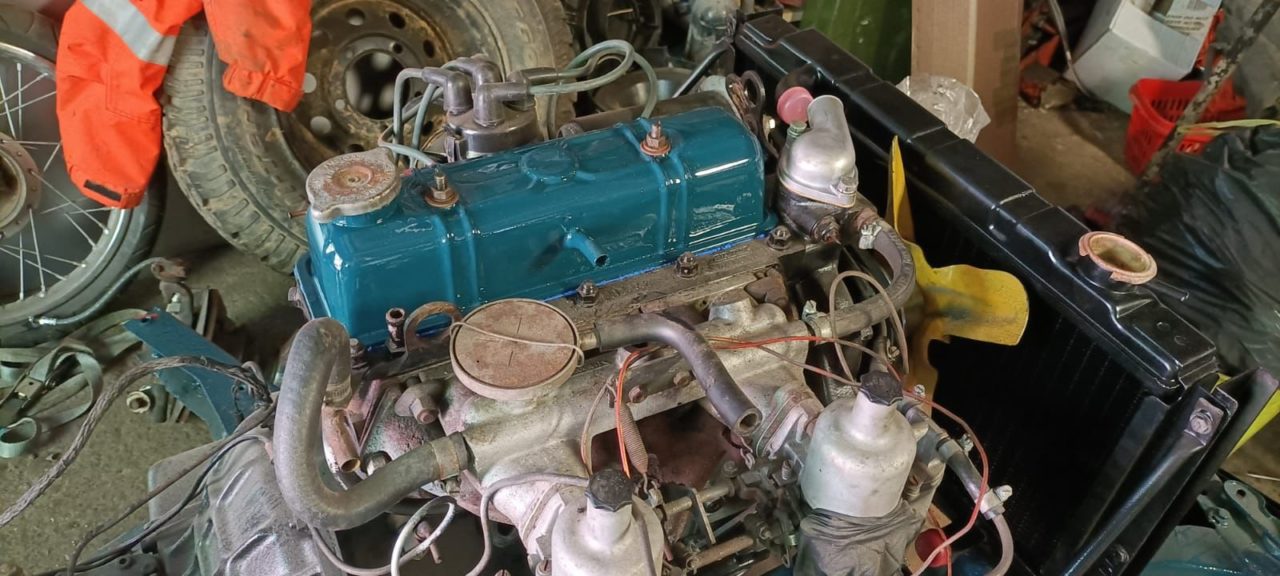
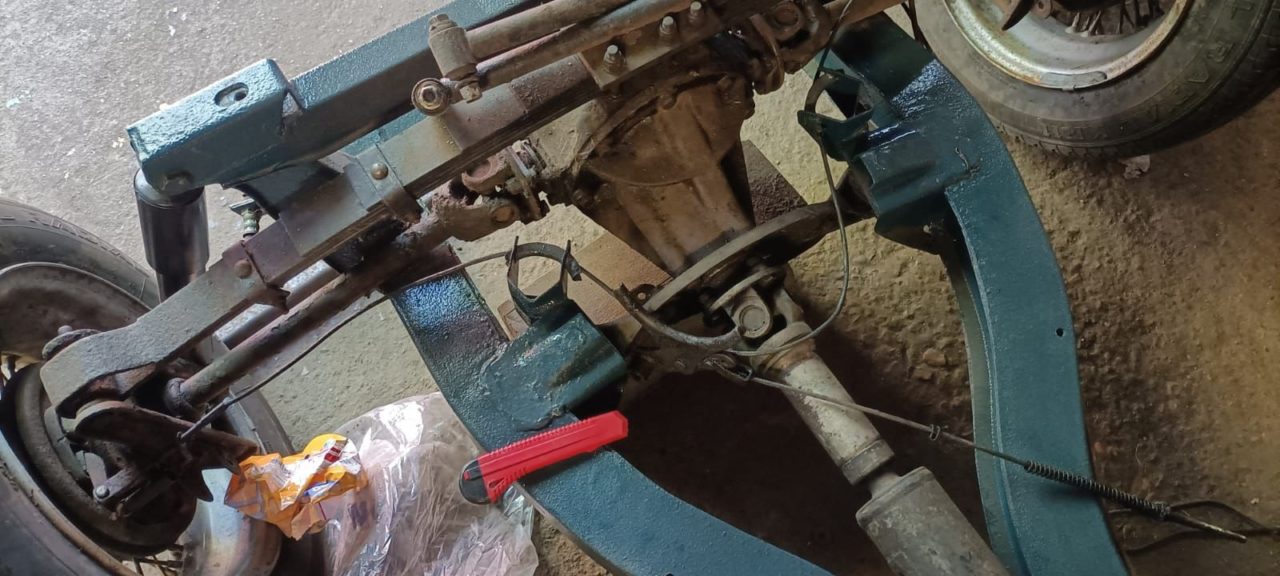
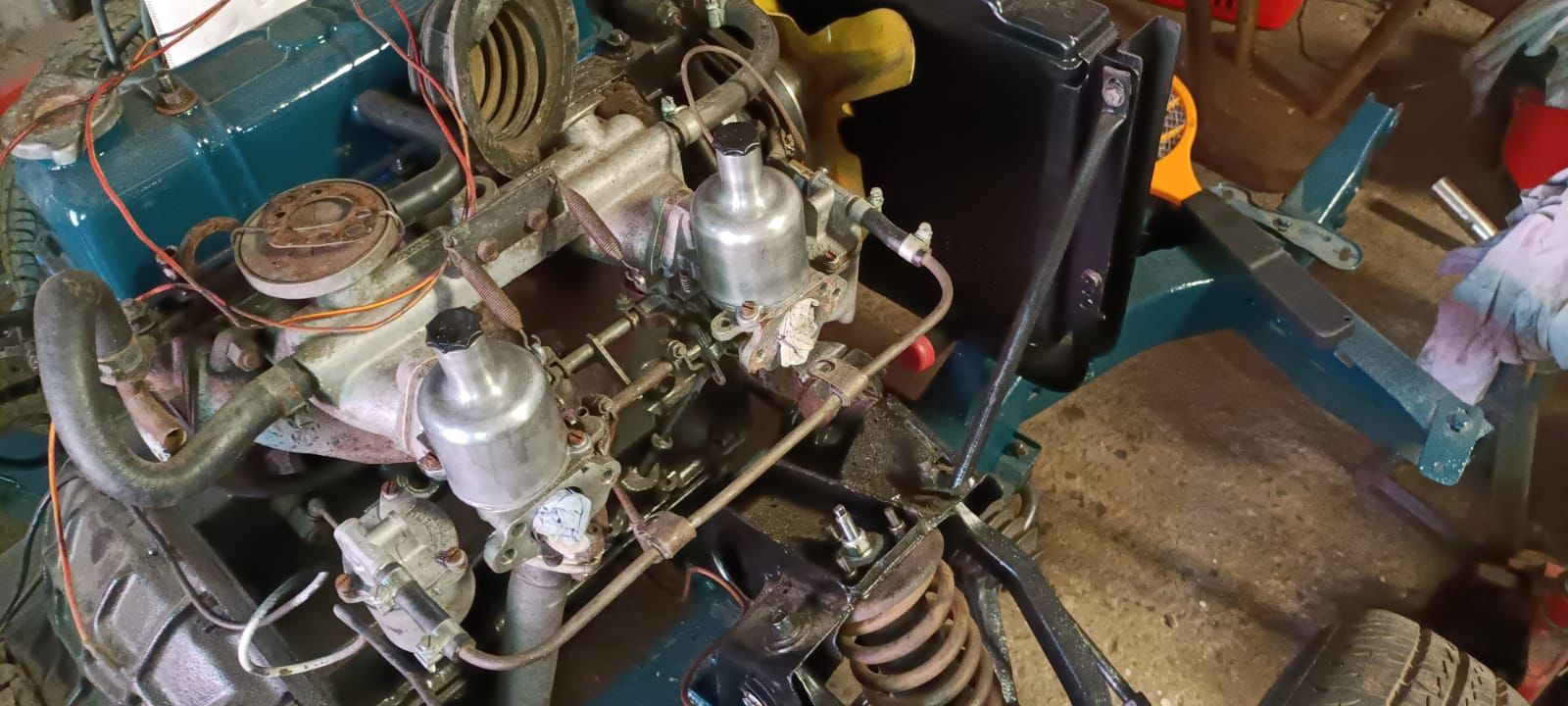
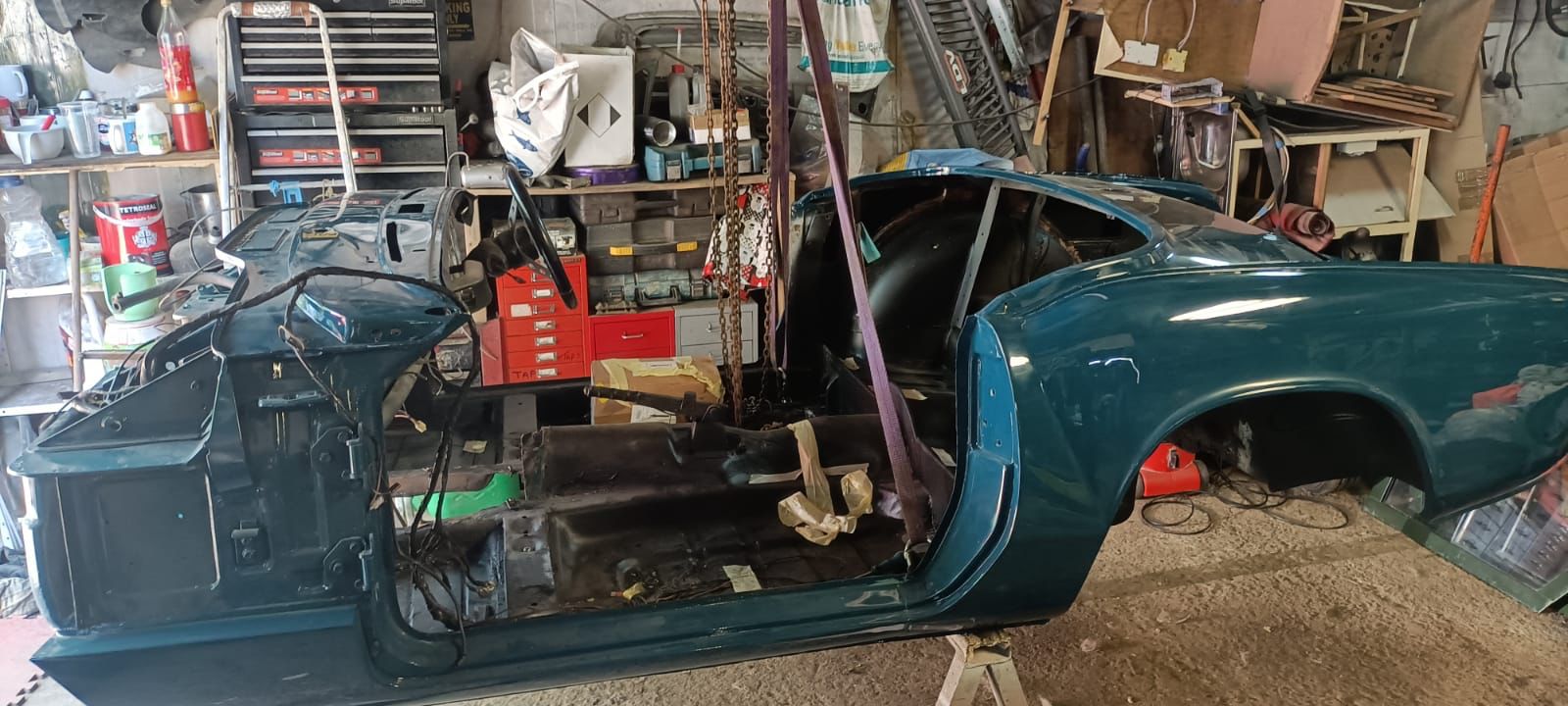
This Spitfire is in for restoration and repair work, with what appears to be an engine mount repair and rebuild in progress. On a car like this, that sort of work matters more than it might sound. Engine mounts are not just there to hold the engine in roughly the right place. They control movement, alignment and vibration, and they affect how the whole drivetrain behaves.
We often see older sports cars where the engine mounts have gradually weakened, compressed or failed over time. Sometimes the rubber has perished. Sometimes the mounting points themselves have suffered from corrosion or previous repairs. In practice, the symptoms can be subtle at first: vibration through the body, knocking under load, awkward gear changes, exhaust movement or a general feeling that the car is not as tight as it should be.
With a Triumph Spitfire, access and structure both need thought. The front-hinged bonnet gives excellent visibility around the engine bay, but that does not make the repair automatic. The surrounding metal, brackets and fixing points all need to be inspected properly. There is no value in fitting new mounts to tired or compromised metalwork. If the mounting area has weakened, it has to be repaired before the rebuild makes sense.
At White’s Bodyworks in Hassocks, West Sussex, work like this starts with assessment rather than assumptions. The engine needs to sit correctly, the mounts need to locate properly, and the surrounding structure has to be sound enough to take the loads. On older cars, we often find that previous repairs have kept things going for years without fully solving the underlying problem.
An engine mount repair can also reveal other issues. Exhaust alignment, gearbox mounting, cooling hoses, fuel lines and wiring can all be affected by engine movement. If the engine has been shifting more than it should, other components may have been under strain too. That is why a proper rebuild looks at the area as a system, not just one failed part.
The aim with this Spitfire is not to change the character of the car. These small Triumphs are meant to feel mechanical, light and direct. The job is to restore the foundation underneath that character, so the car feels secure and properly supported again.
It is the sort of repair that may not look dramatic once finished, but it makes a real difference to how a classic drives. Good restoration is often like that. The most important work is not always the most obvious.