The Mercedes R107 SL has a very particular presence. It is not a small, delicate sports car in the traditional British sense, and it was never meant to be. Built from the early 1970s through to the late 1980s, the R107 was solid, refined and beautifully engineered, with the sort of build quality that made Mercedes feel almost over-specified at the time.
That is part of why these cars have aged so well. They were expensive when new, properly made, and often cared for by owners who understood what they had. But even a Mercedes of this quality is not immune to age. Paintwork fades, seals harden, chrome starts to show its years, and corrosion can creep into areas that are not obvious at first glance.
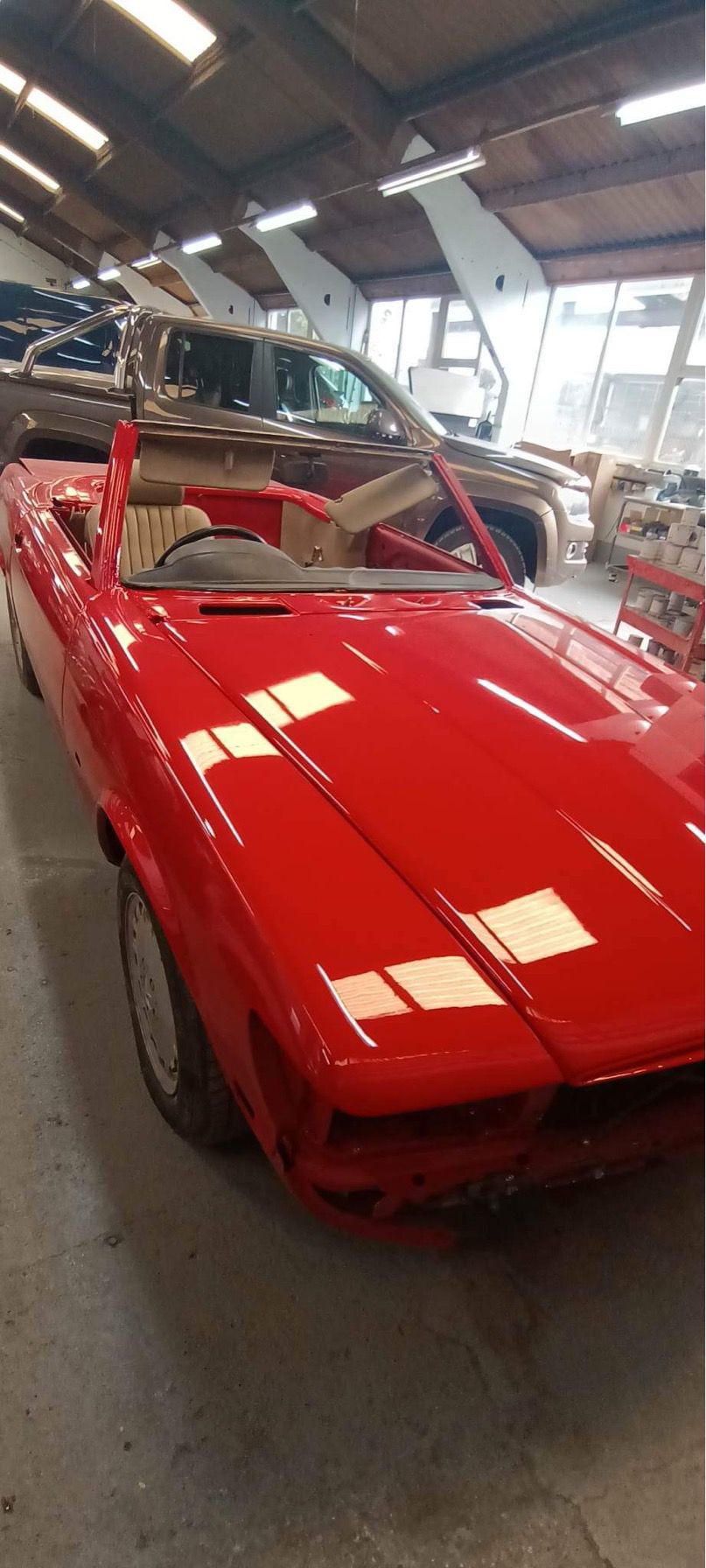
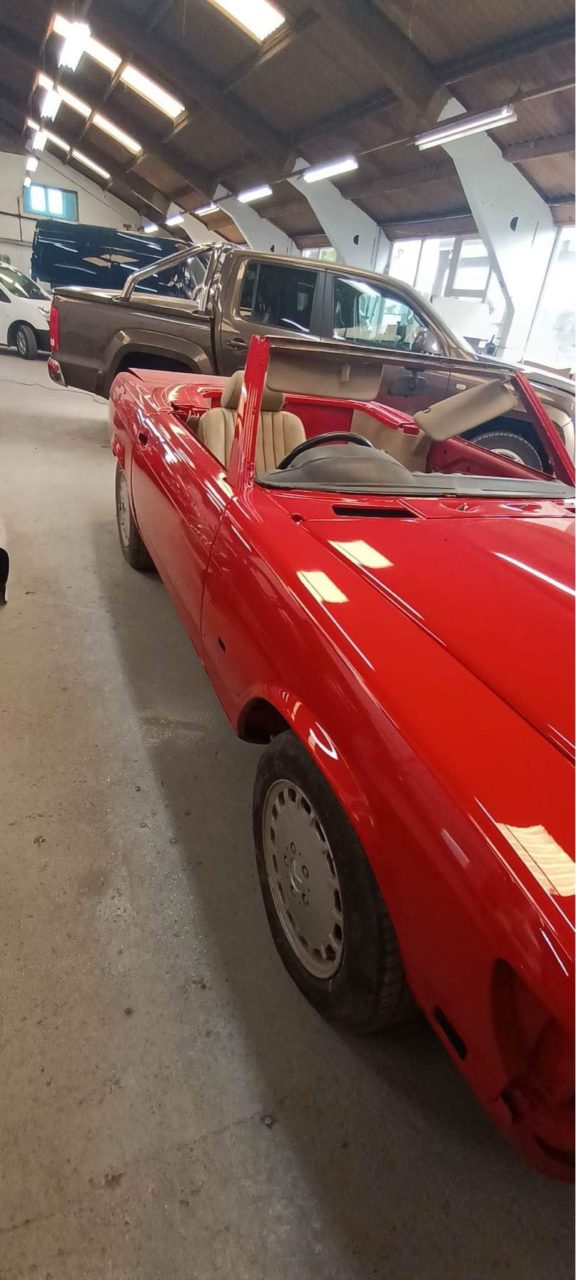
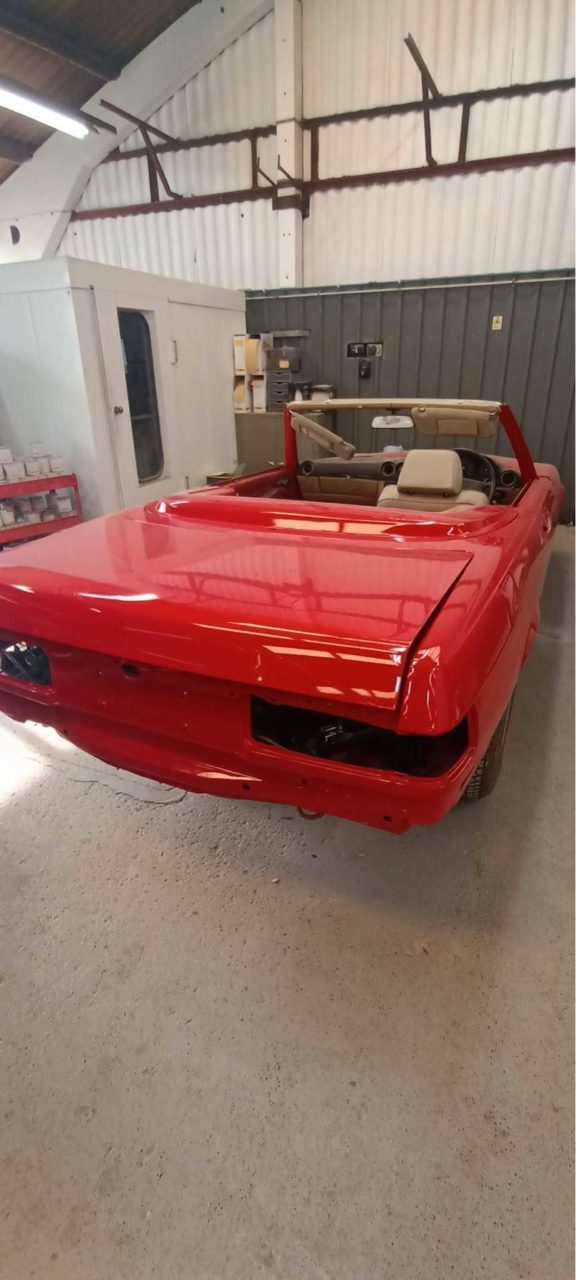
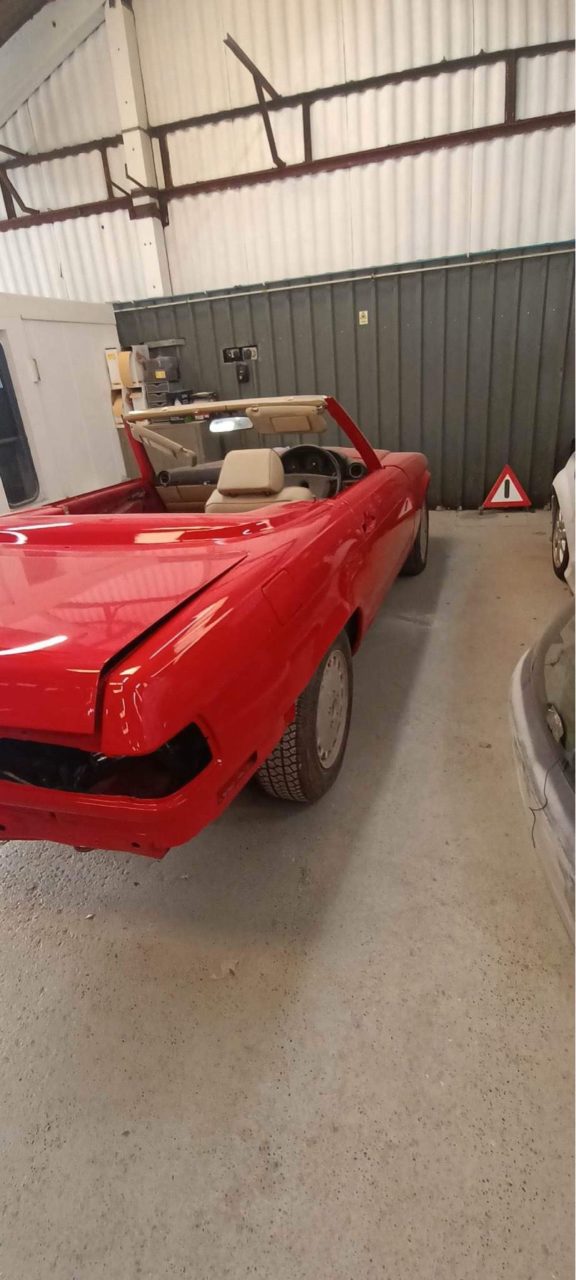
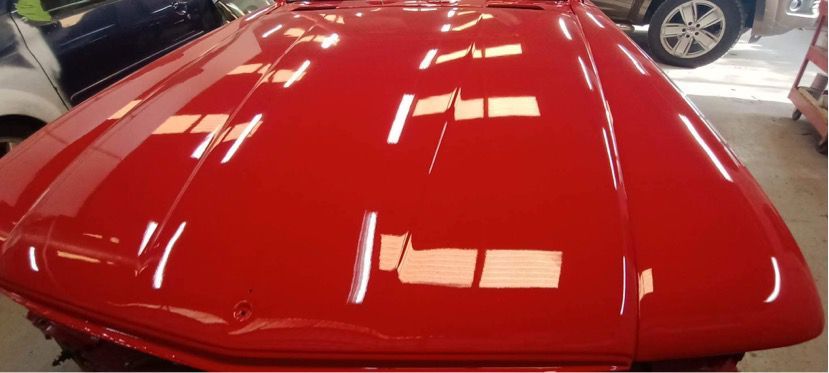
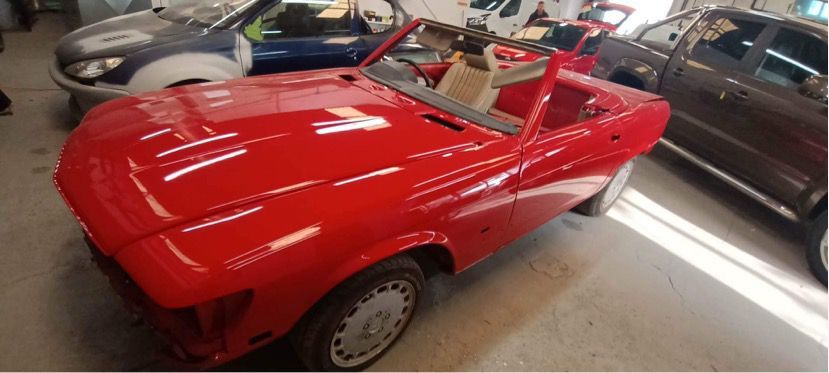
This R107 SL is in for restoration and respray work, which is often the right approach when the bodywork is still fundamentally sound but the finish has started to let the car down. These cars have clean, confident lines, and they rely heavily on panel condition and paint quality. A tired finish can make even a good SL look flat.
In practice, the respray is only the final stage. Before any colour goes on, the car needs careful assessment. Older paint layers, previous repairs, small dents, surface corrosion and panel edges all have to be checked properly. There is no benefit in putting fresh paint over a problem that has not been dealt with underneath. It may look good for a while, but it will not last.
At White’s Bodyworks in Hassocks, West Sussex, work like this starts with preparation. The damaged or tired areas are stripped back, repaired where needed, and brought into proper shape before primer and paint are considered. On a car like the R107, that patience matters. The panels are broad enough for imperfections to show, and the overall finish needs to suit the restrained, high-quality feel of the car.
We often see classics where older paintwork has been refreshed quickly in the past, only for sink marks, reactions or bubbling to appear later. A proper respray is about stability as much as appearance. The finish needs depth, but it also needs a sound foundation.
The aim here is not to over-restore the SL or make it look artificial. These cars suit a clean, elegant finish rather than anything too sharp or showy. The bodywork should look right, the lines should sit naturally, and the paint should bring back the quiet confidence the R107 had when it was new.
This Mercedes R107 SL is still in progress, but the direction is clear. Restore the bodywork where needed, prepare the surfaces properly, and give the car a finish that reflects the quality of the original design.
Cars like this deserve careful work. They were built to last, and with the right restoration and paintwork, they still have plenty of life and presence left in them.