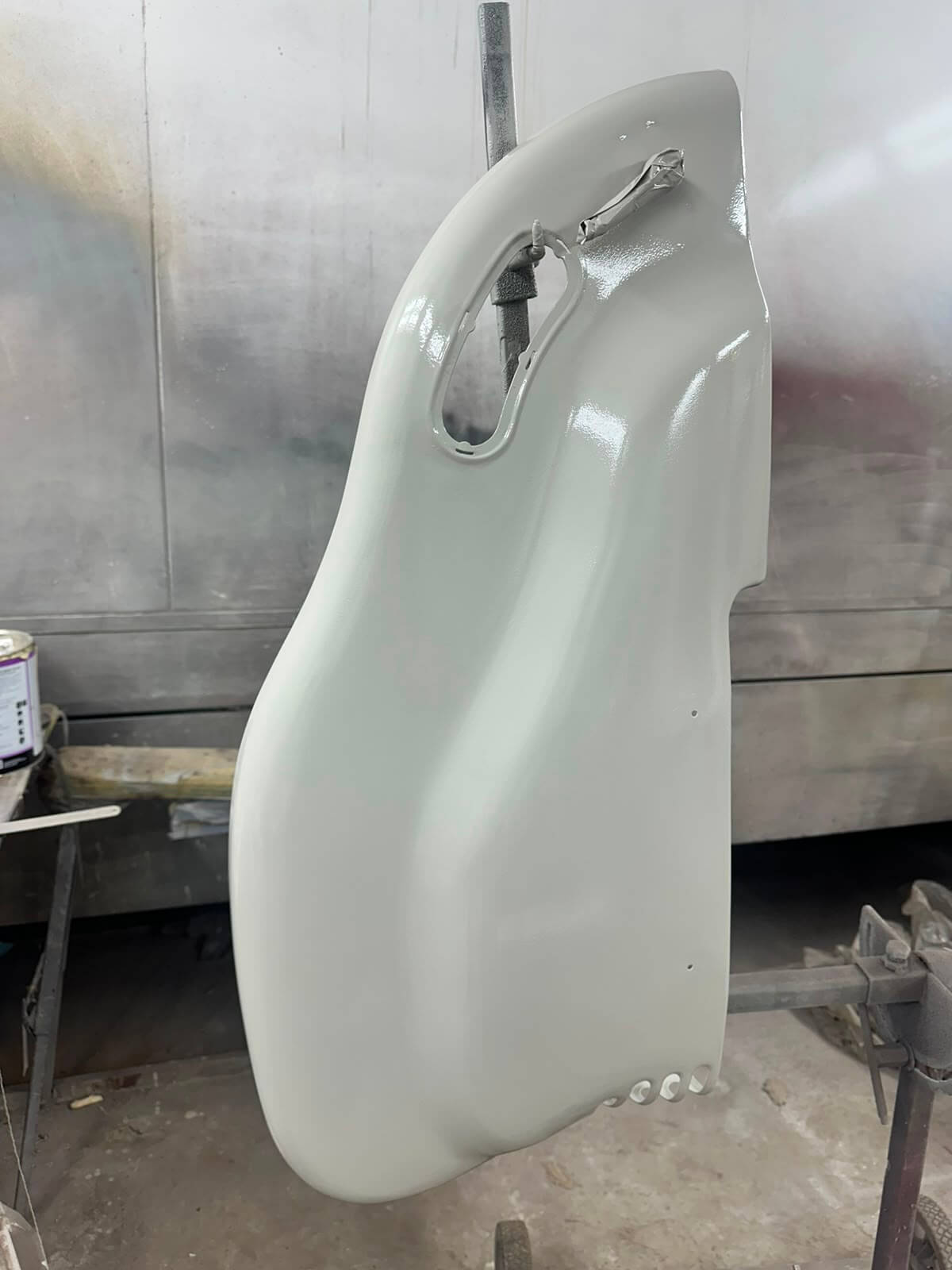
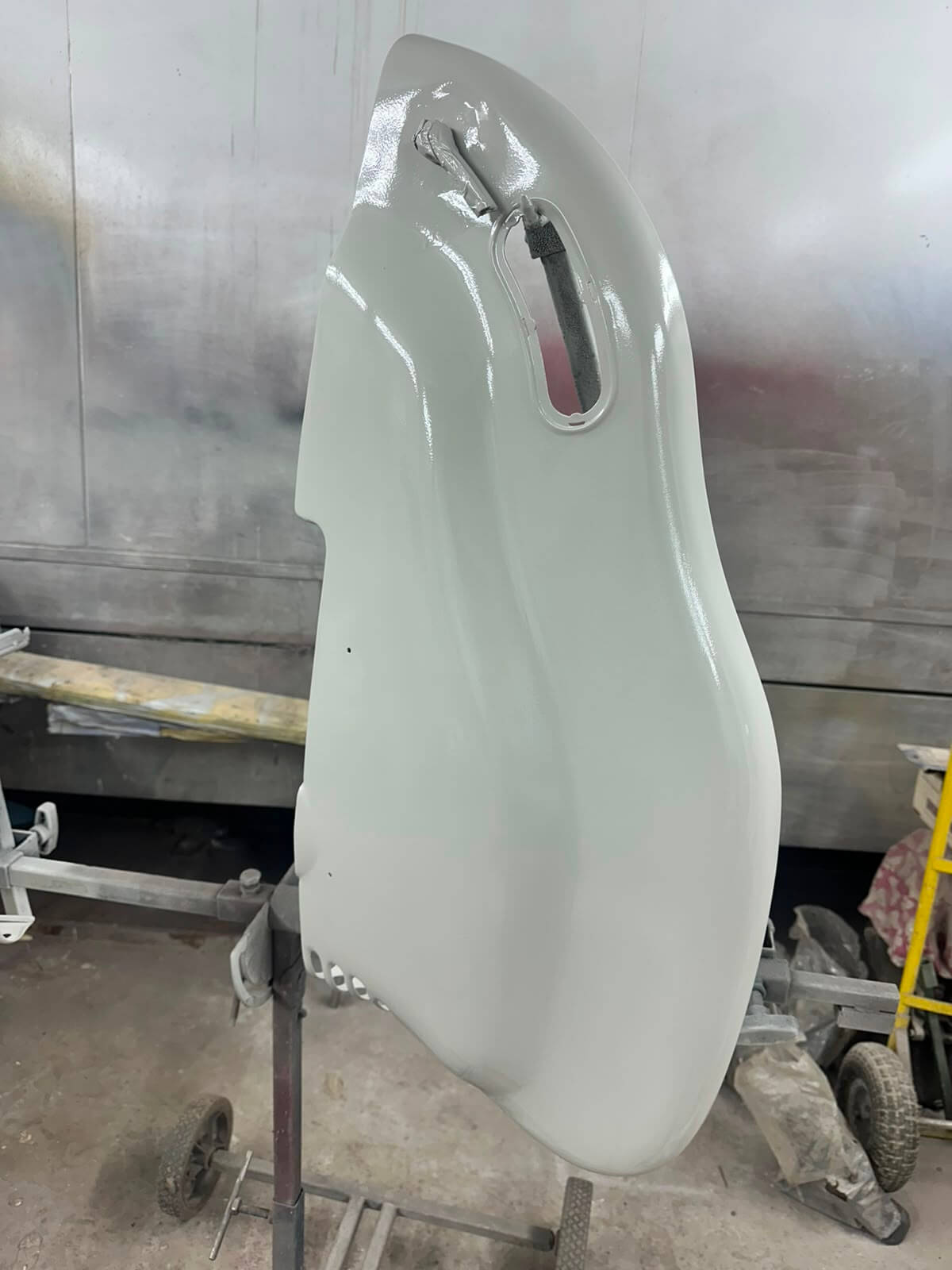
The Lambretta is one of those machines that carries a lot more character than its size suggests. First associated with post-war Italian scooter culture, then adopted heavily in Britain through the Mod movement, it became much more than basic transport. For many owners, a Lambretta is part engineering, part style, part memory.
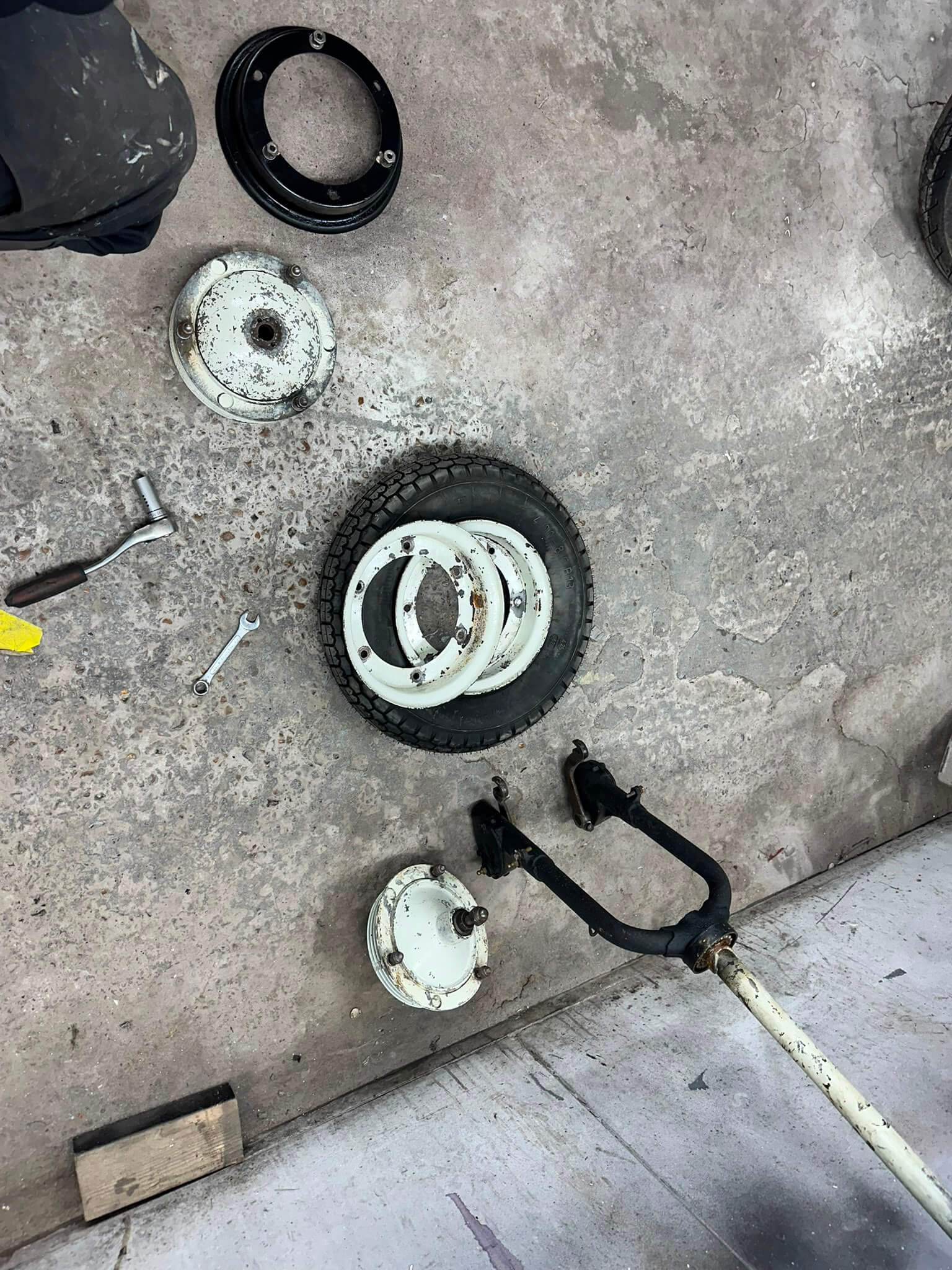
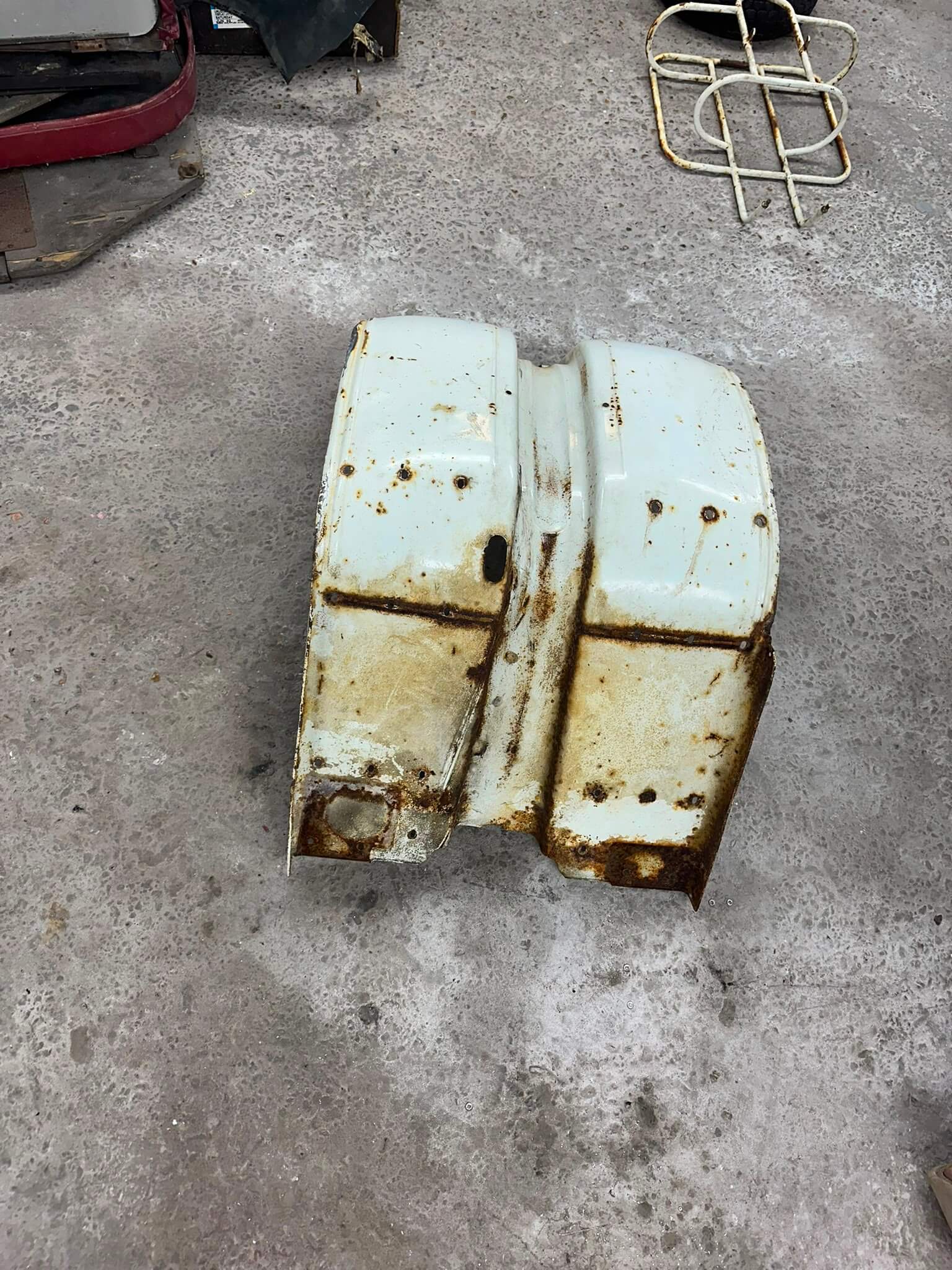
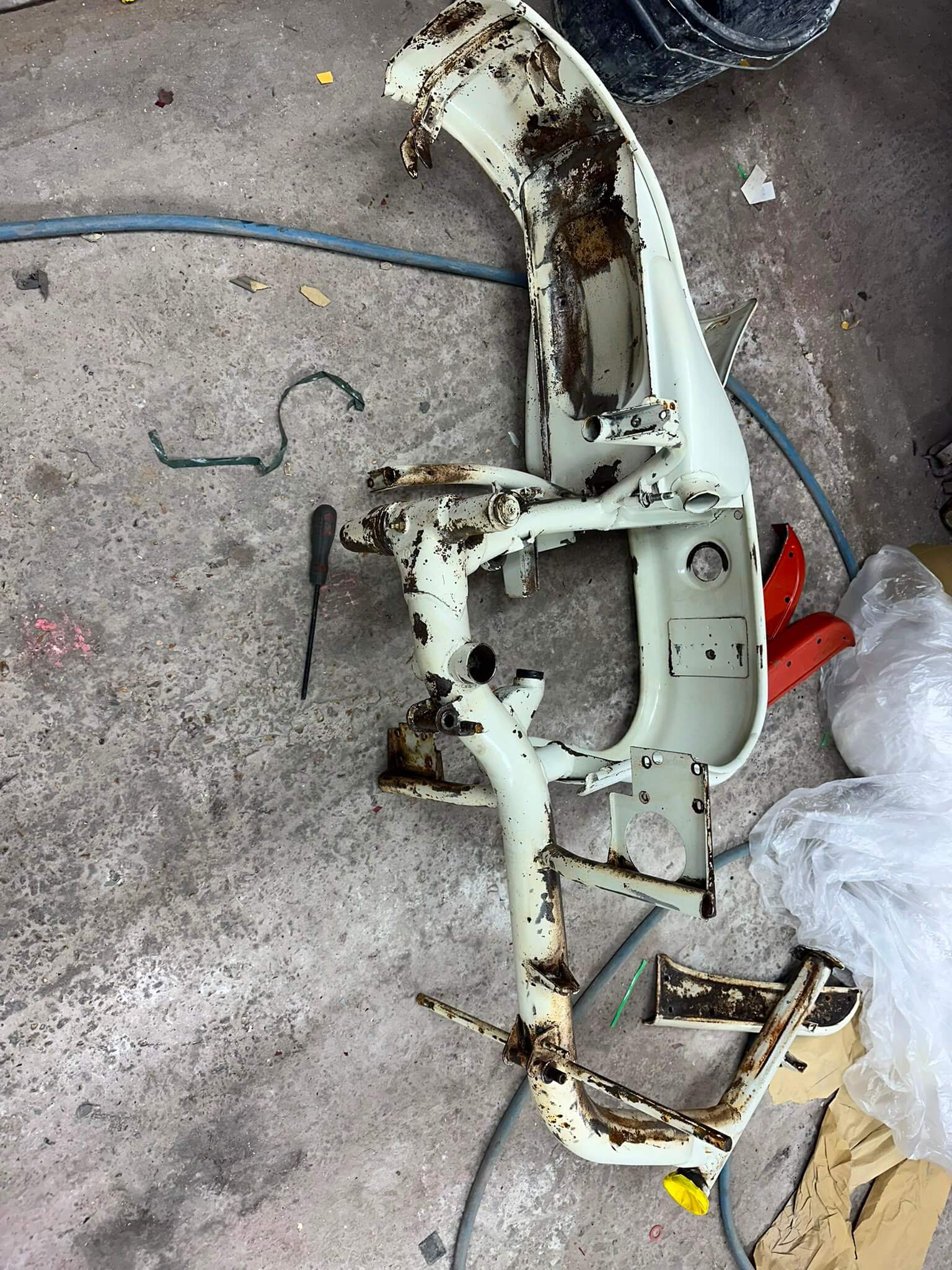
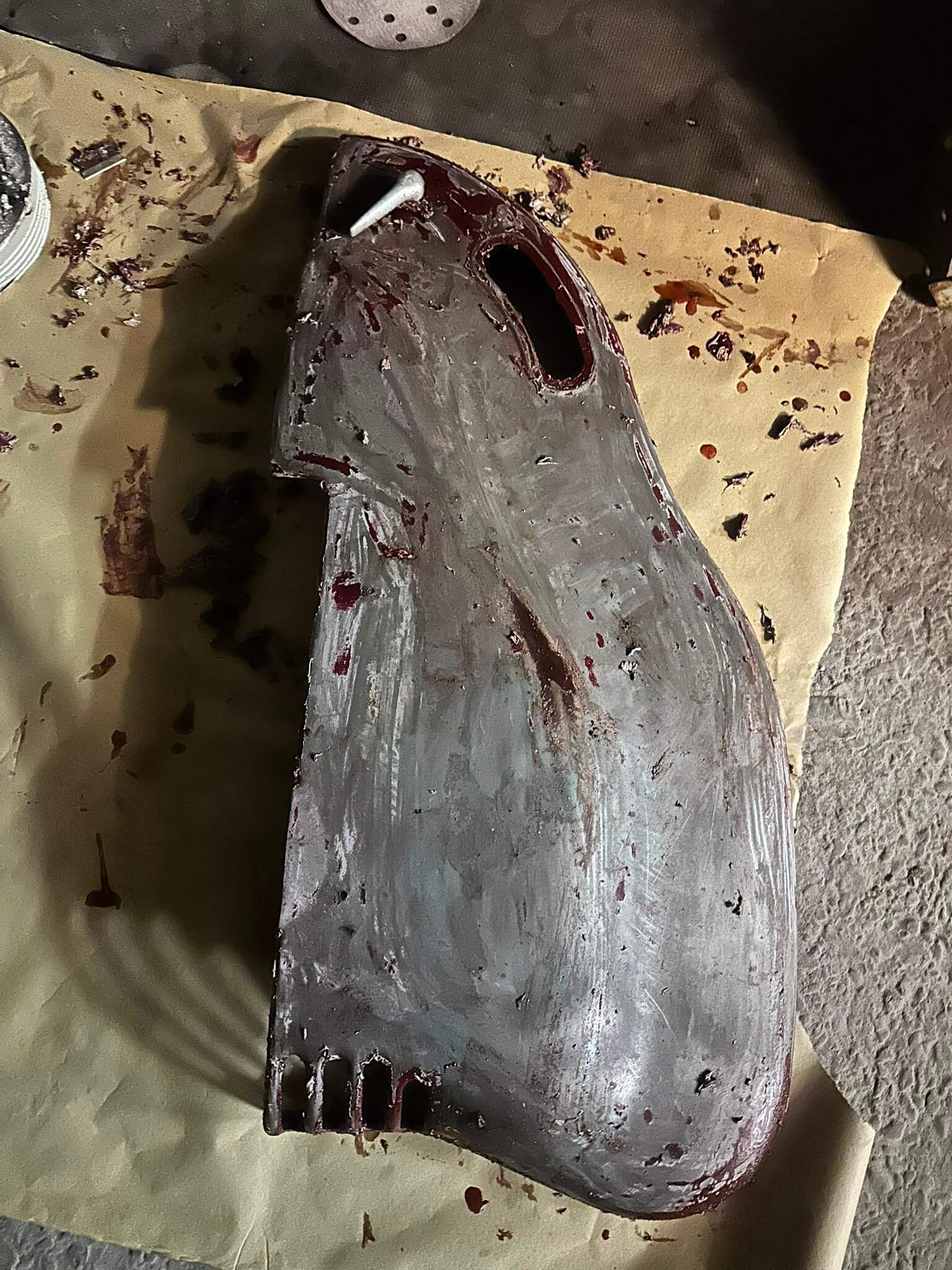
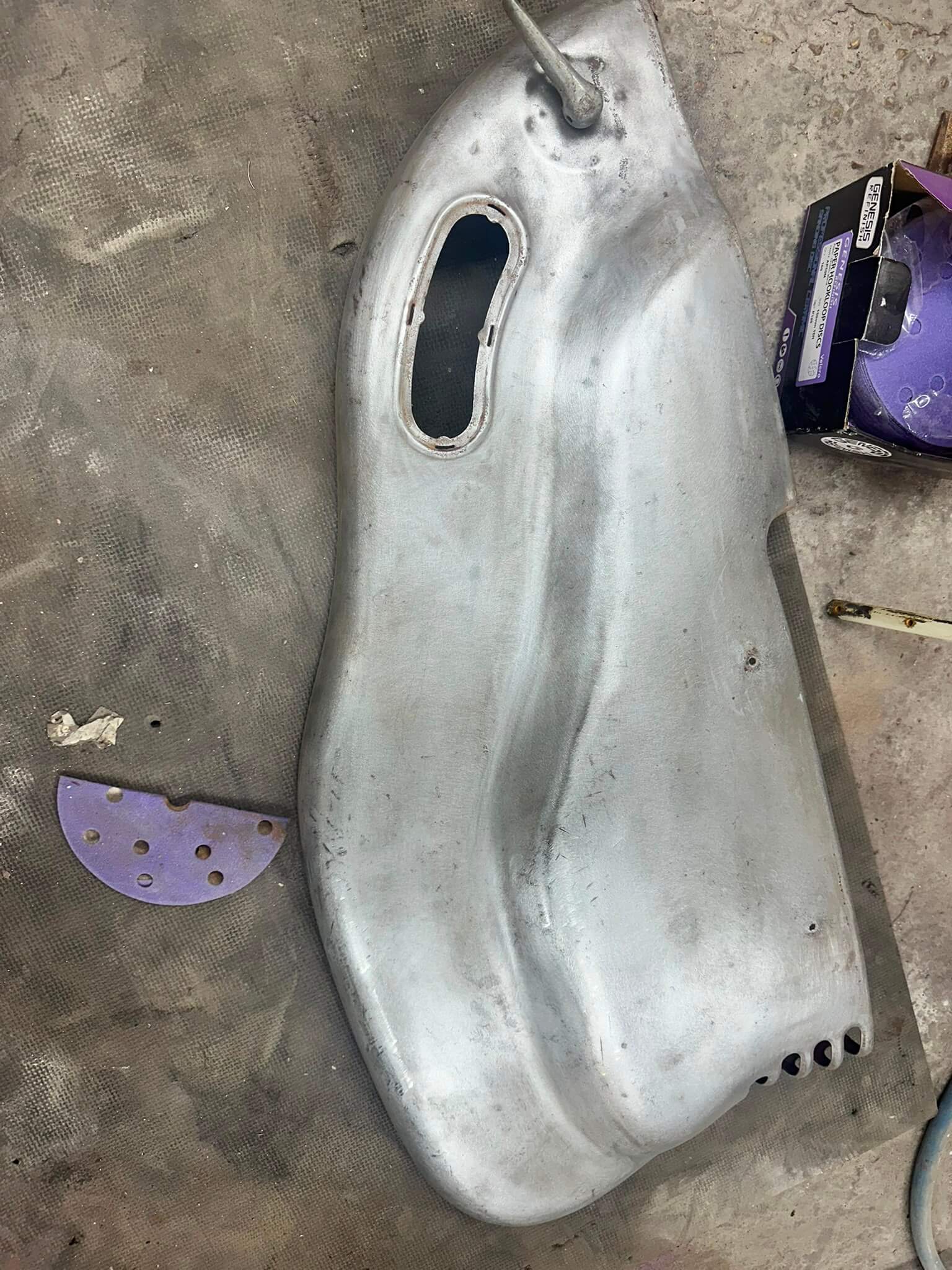
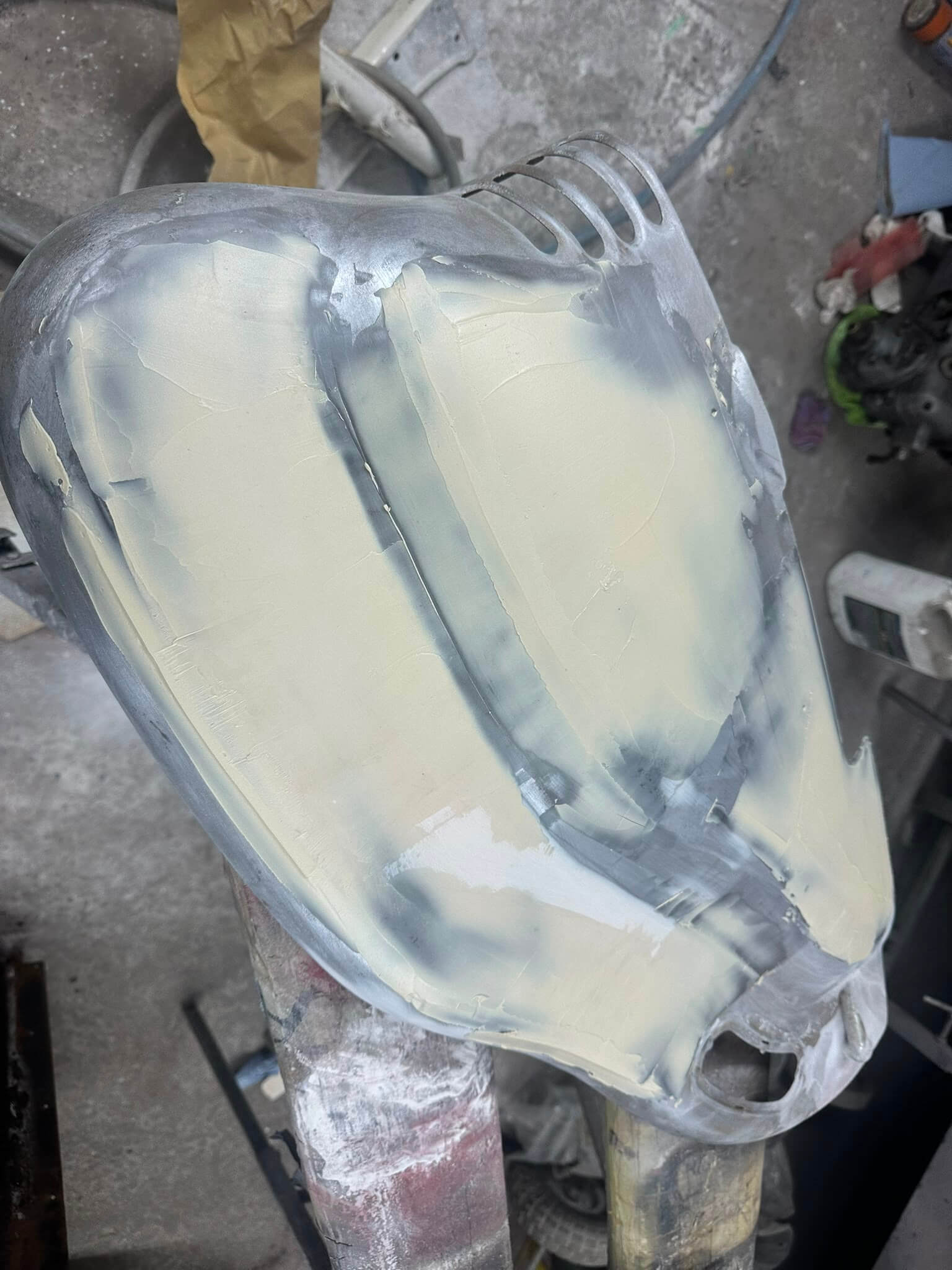
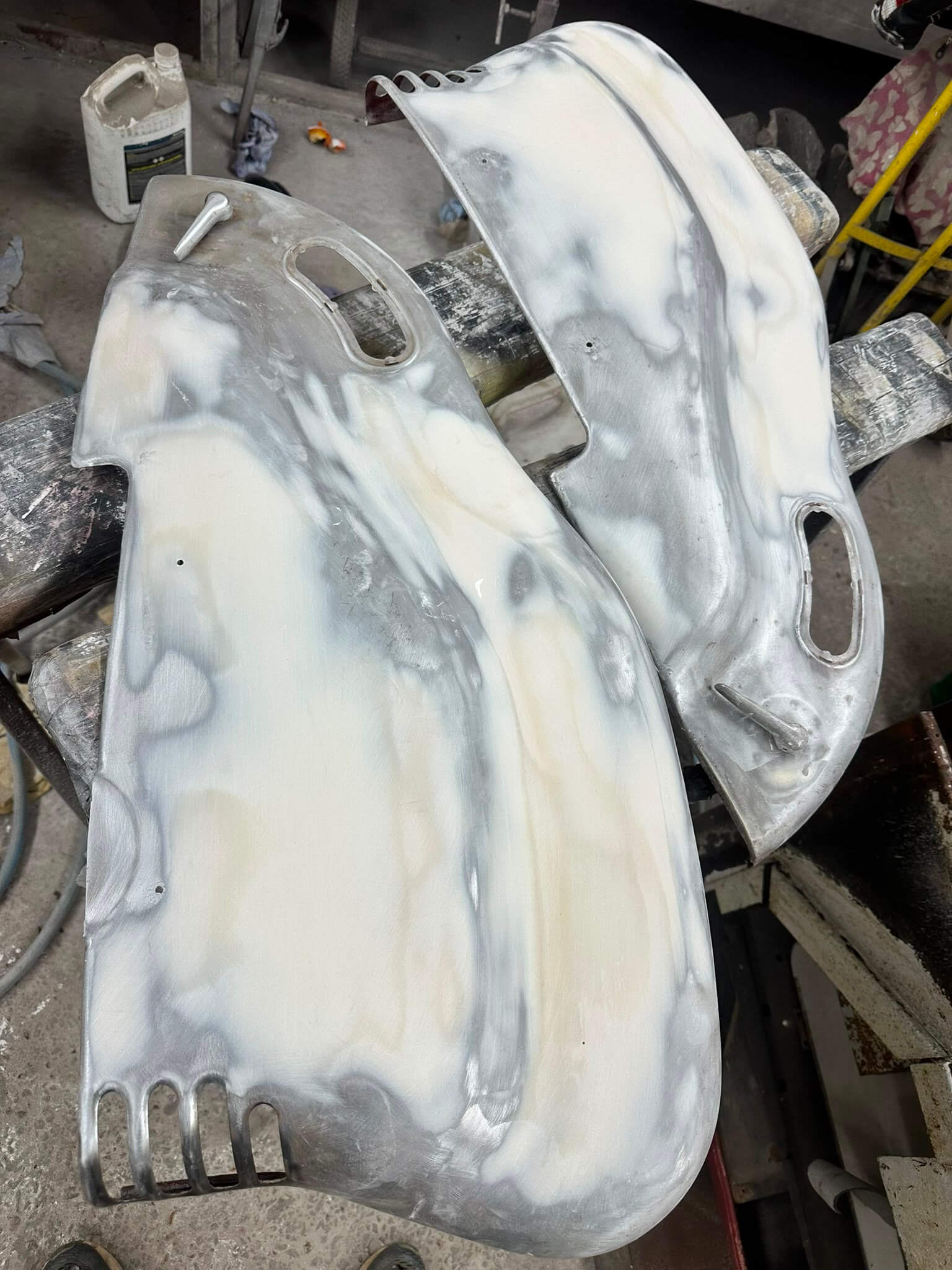
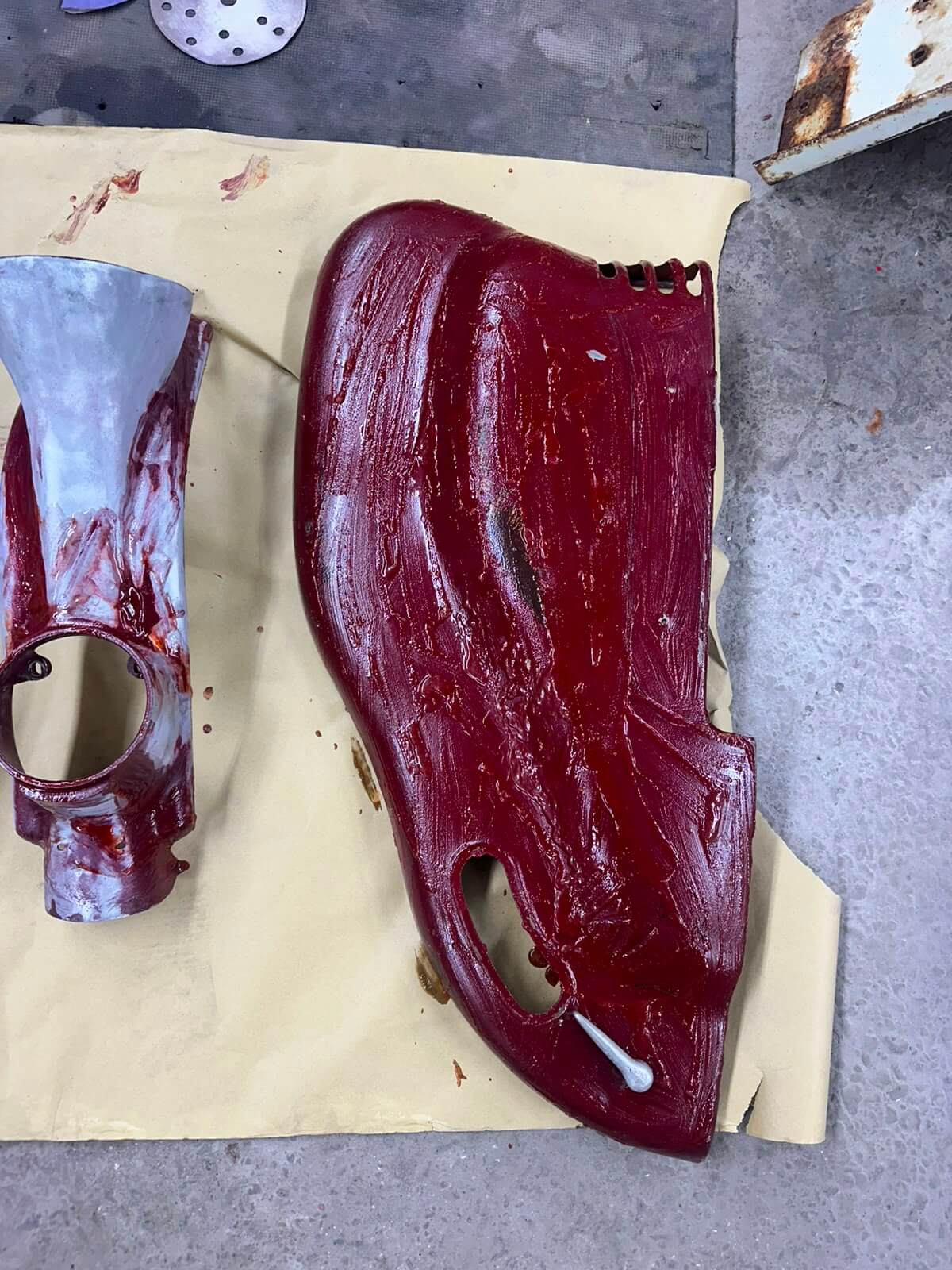
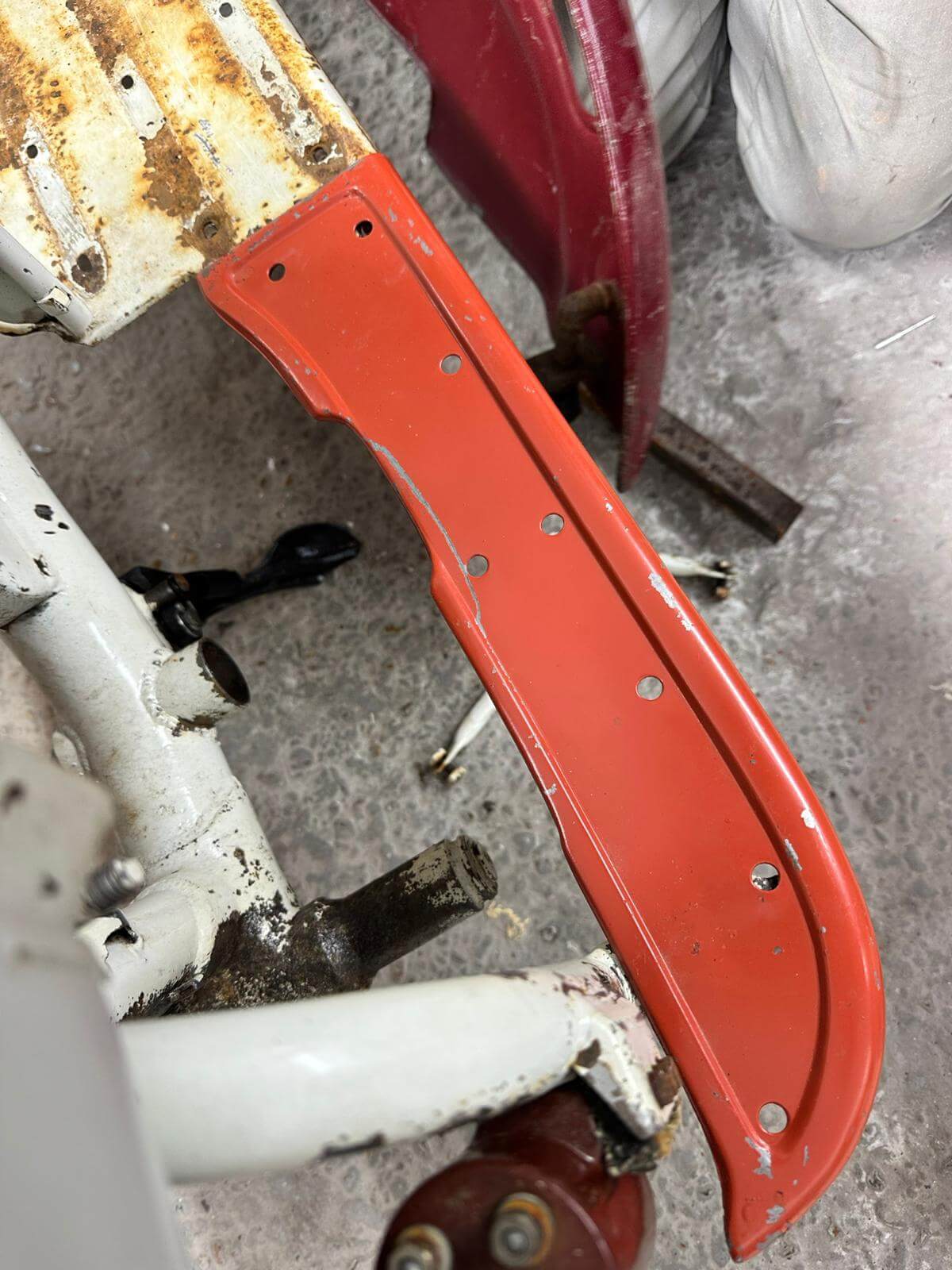
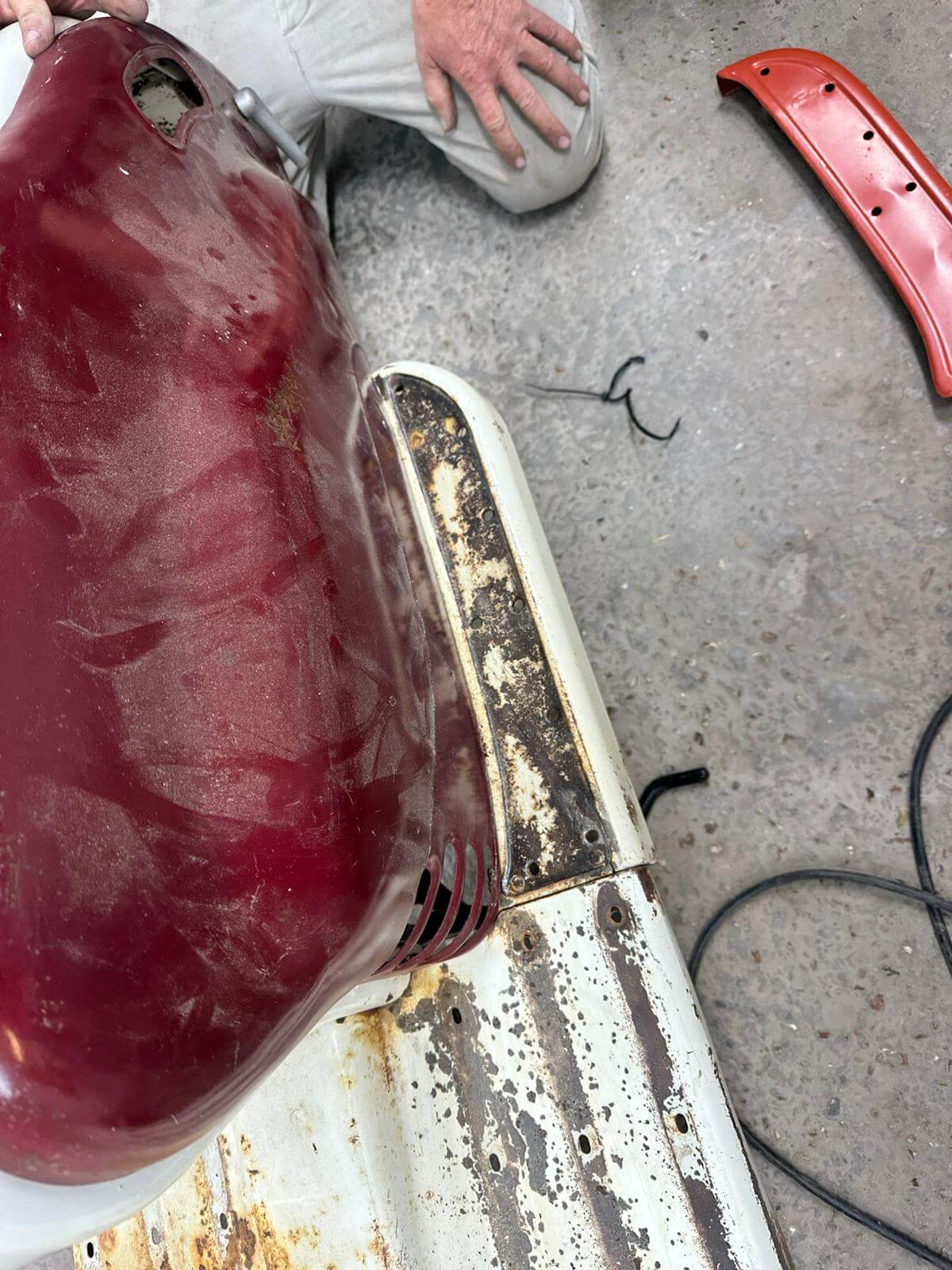
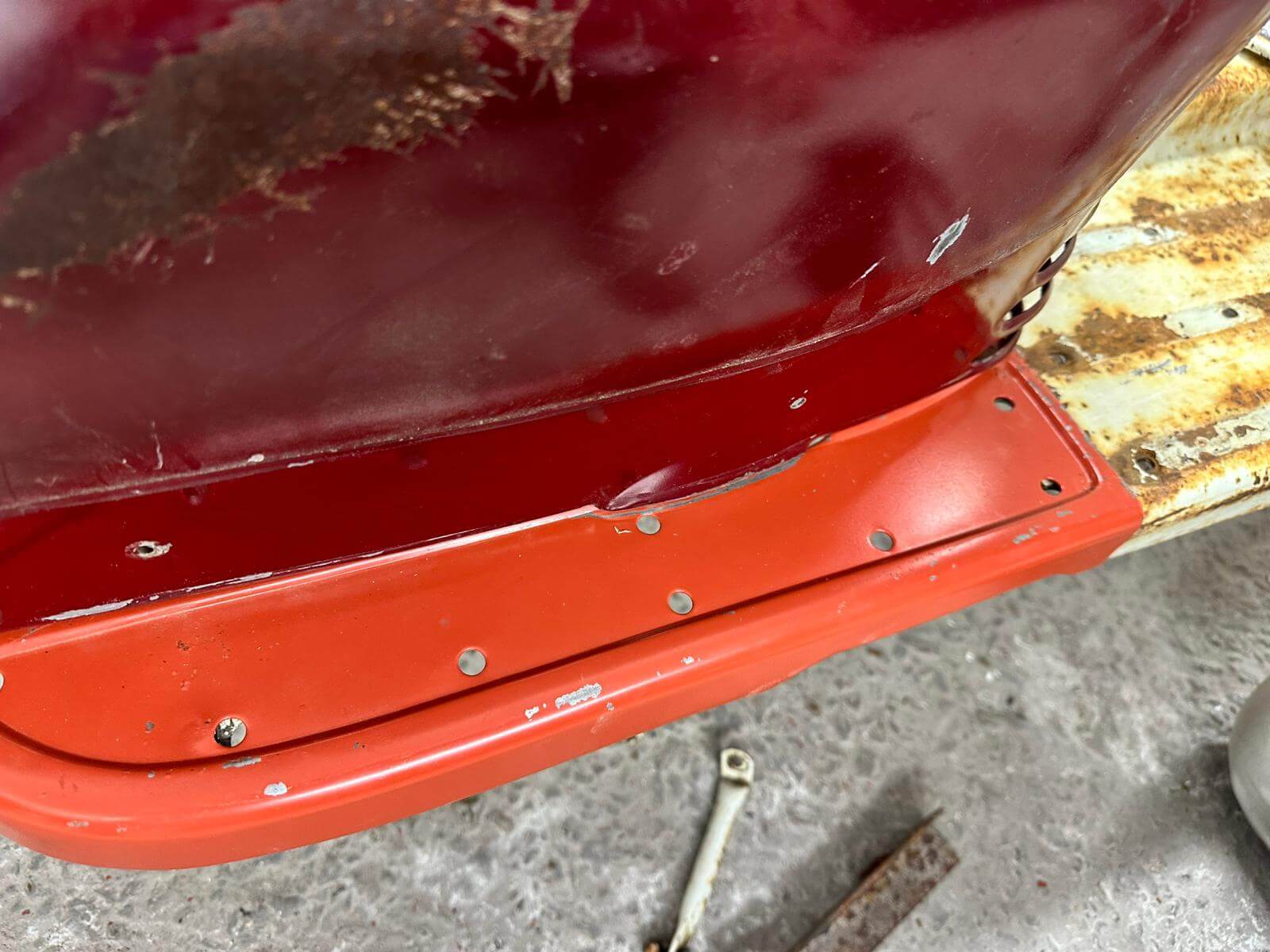
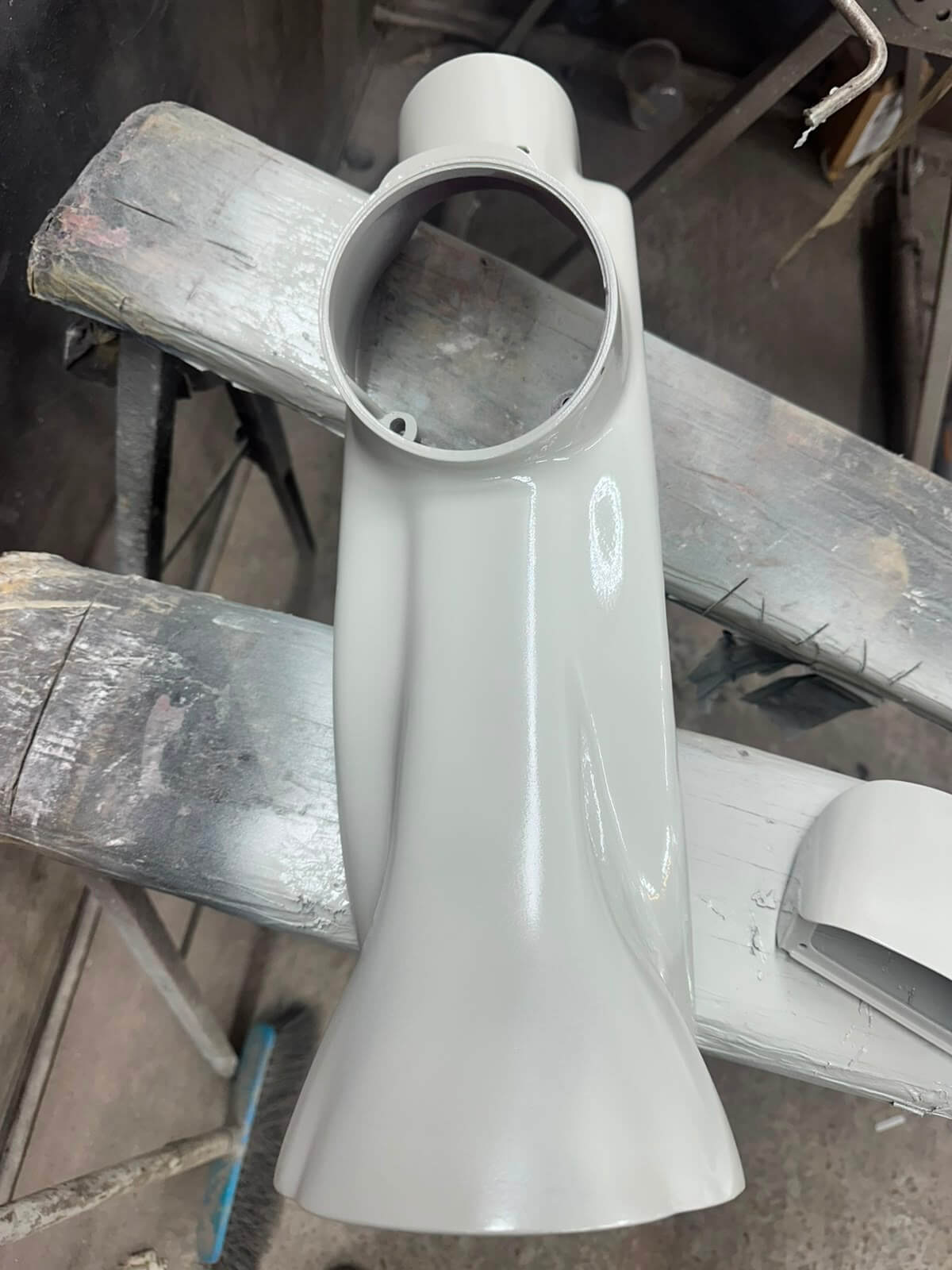
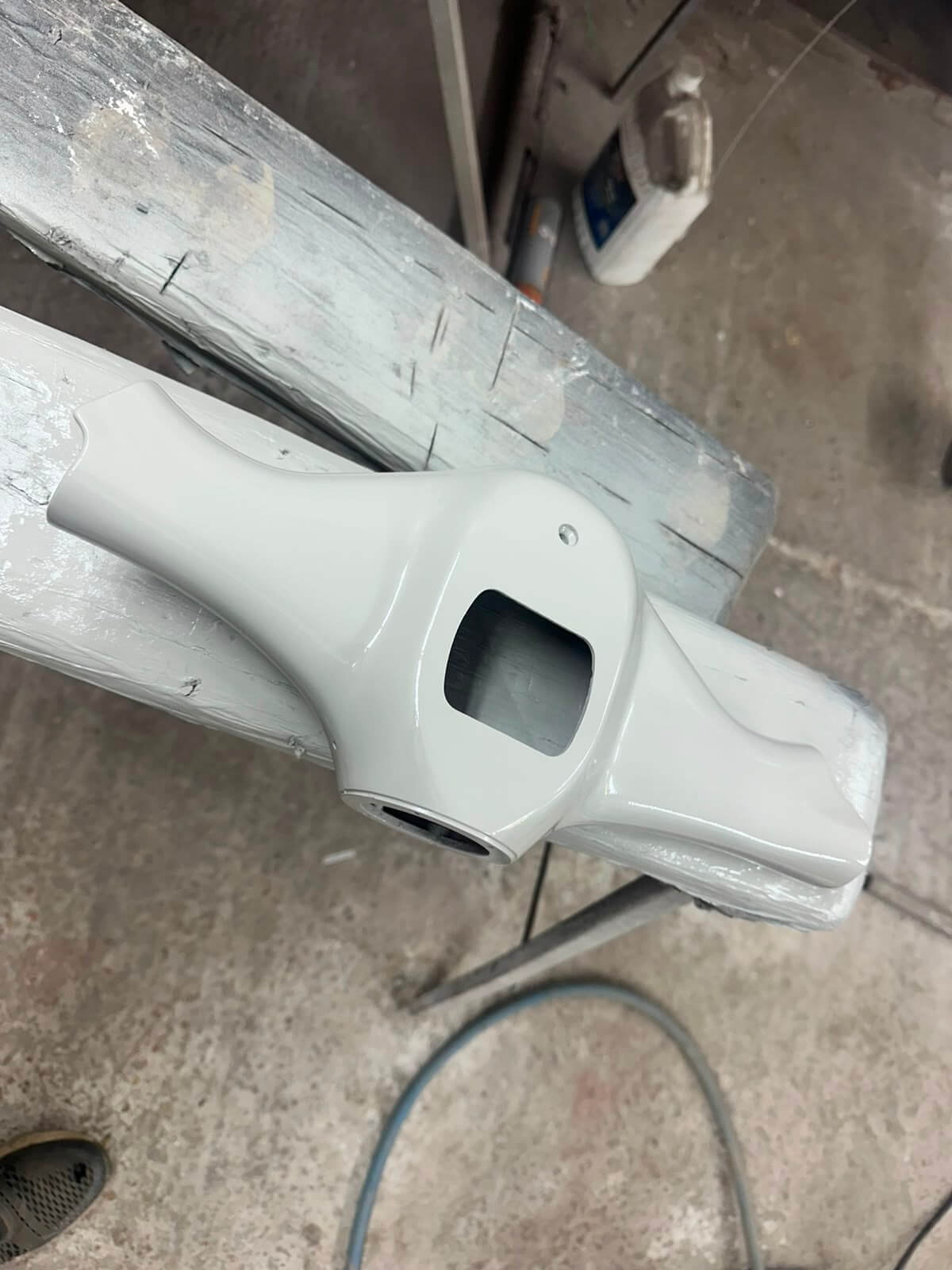
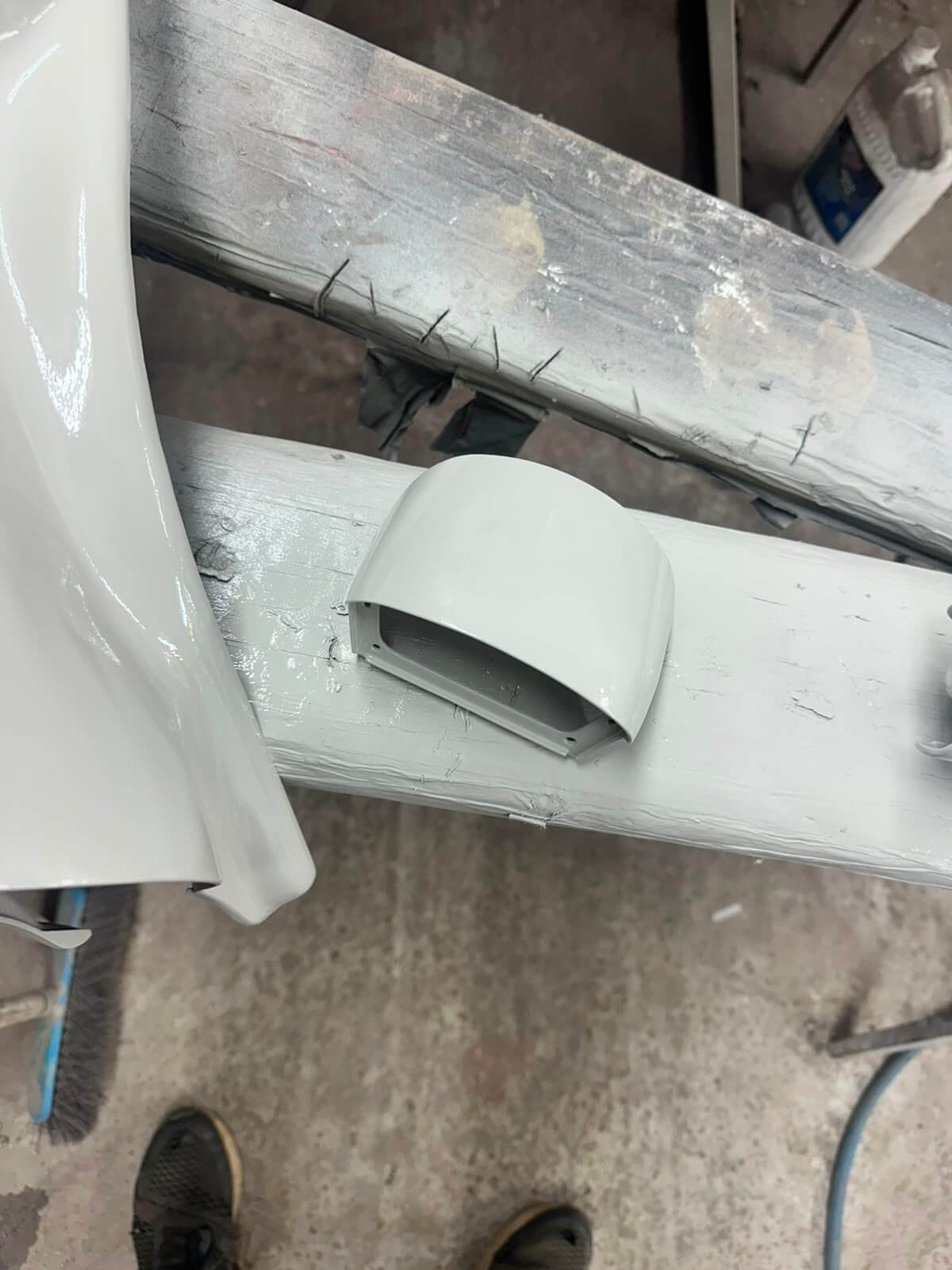
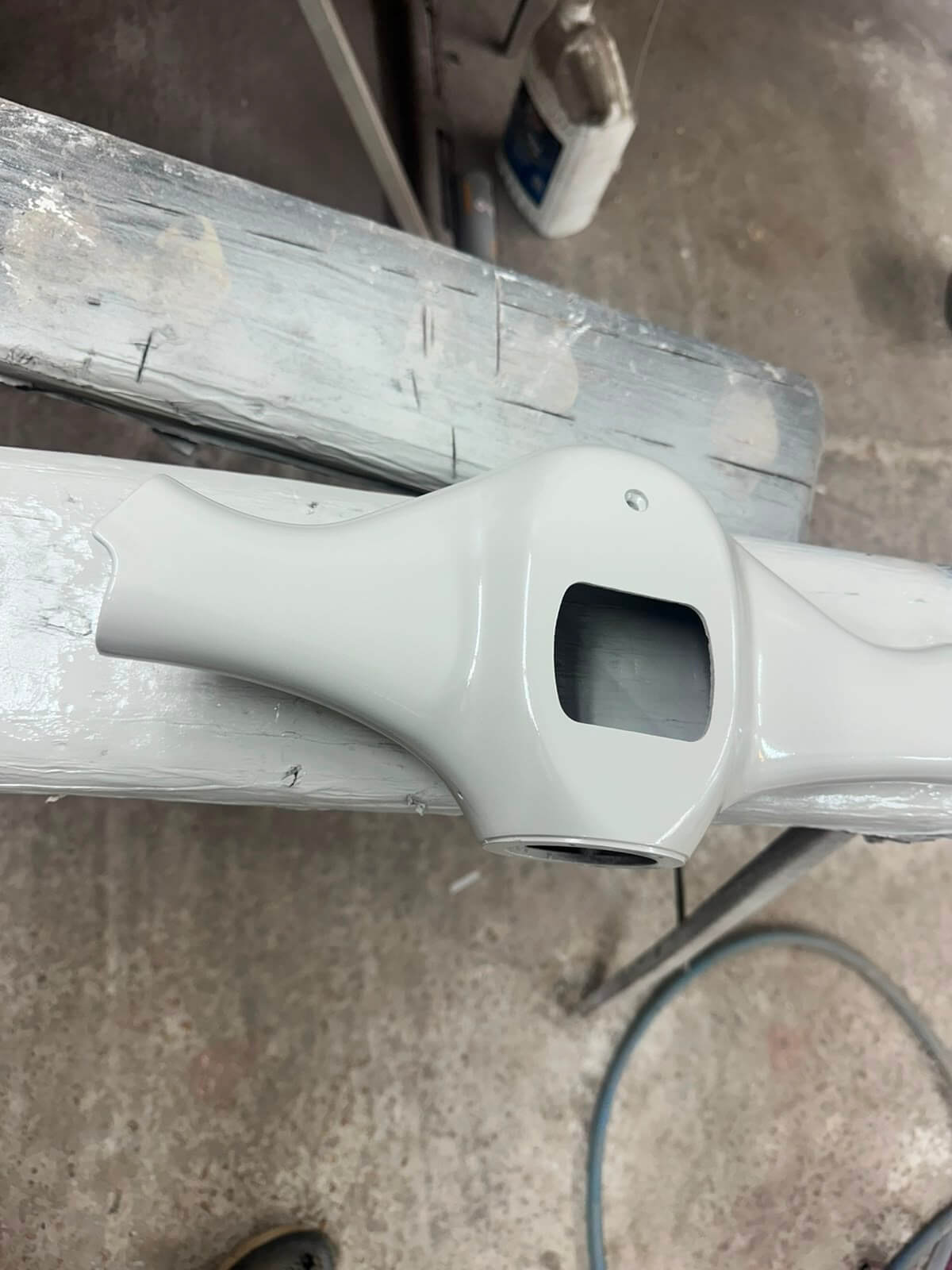
This Lambretta is in for restoration and repair work, and with scooters of this age, the job is rarely just about making the outside look tidy. The visible panels matter, of course, but the real work is often in the detail: structure, alignment, old repairs, fixings, paint preparation and the mechanical condition underneath.
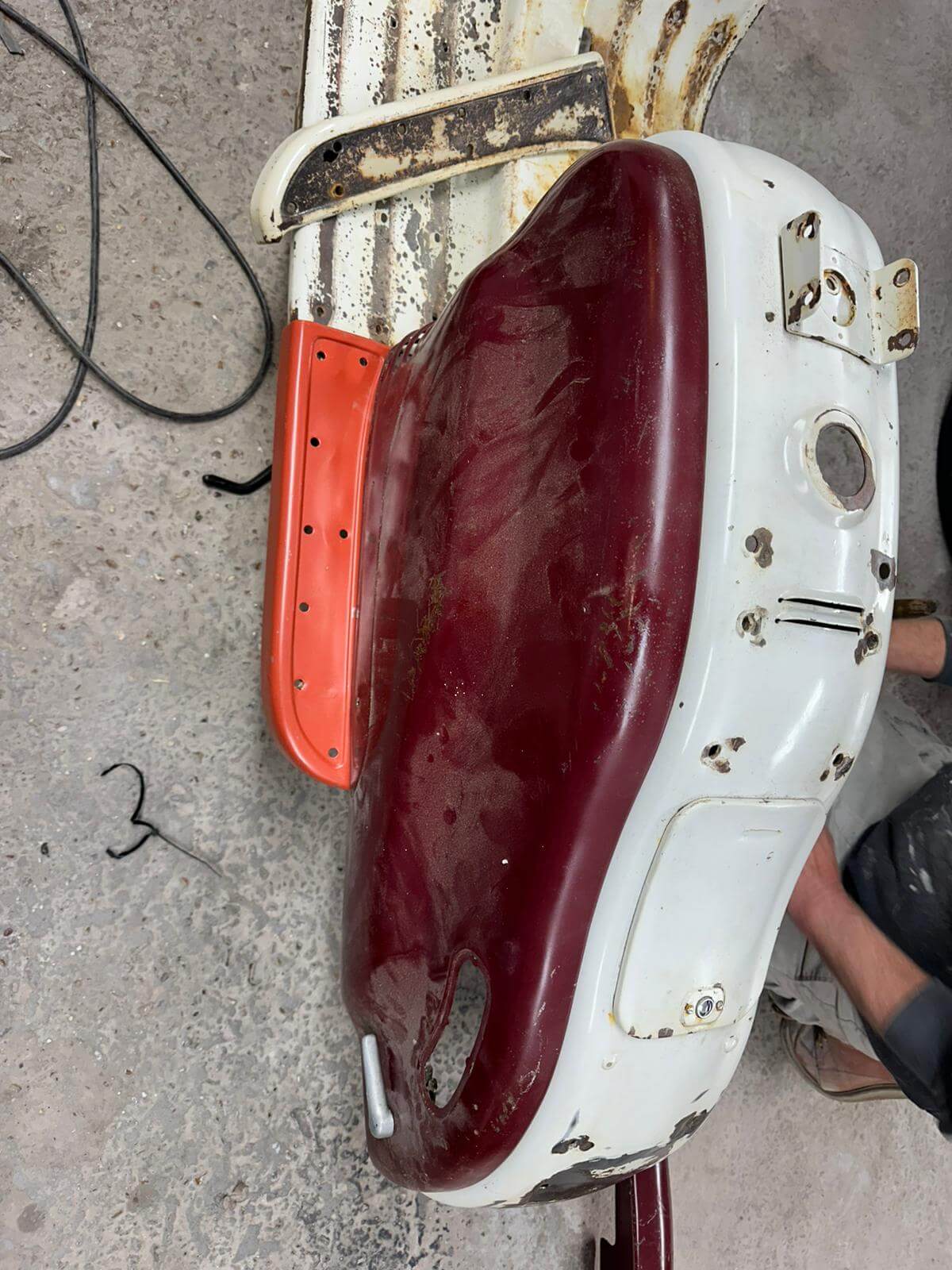
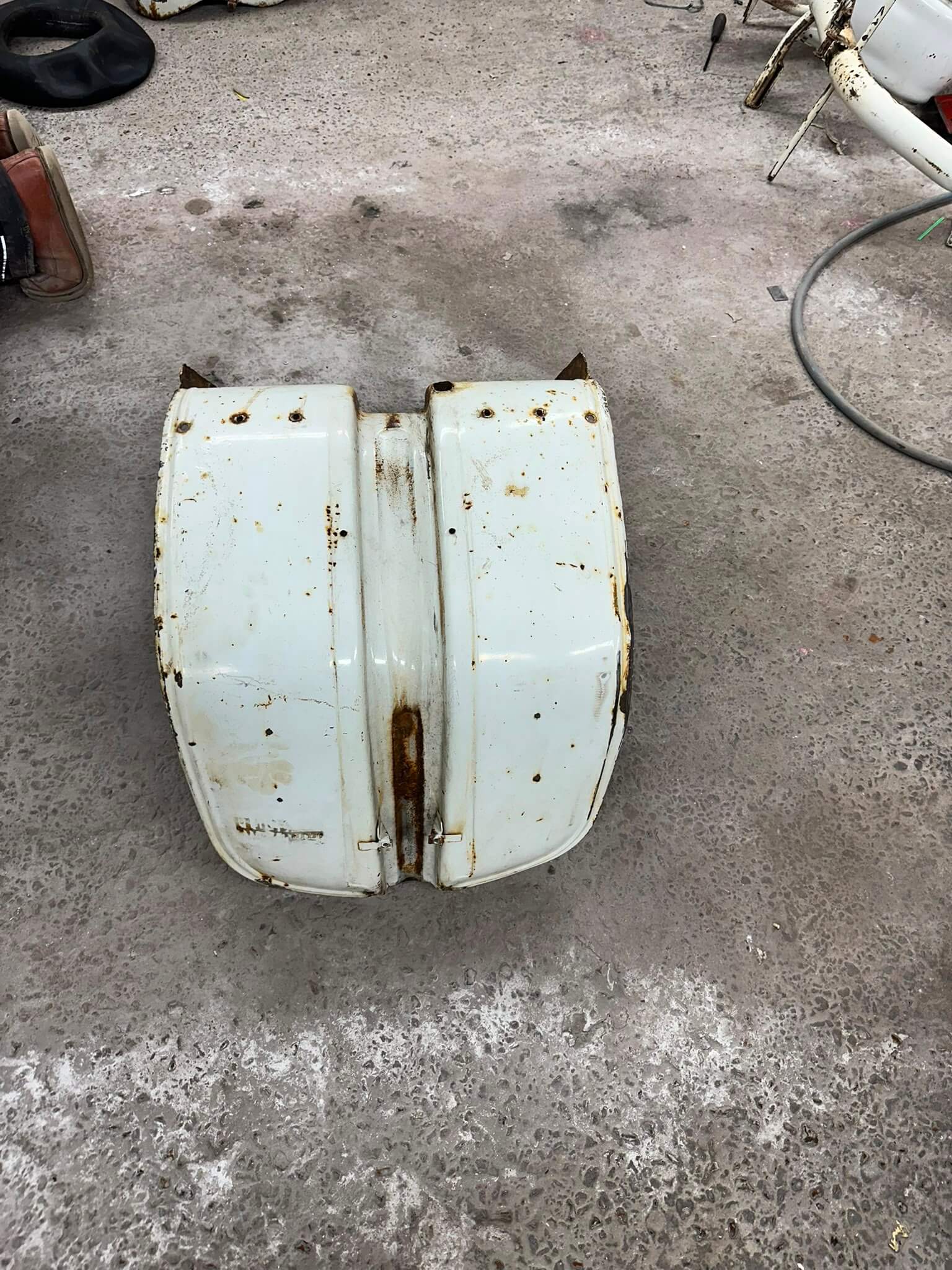
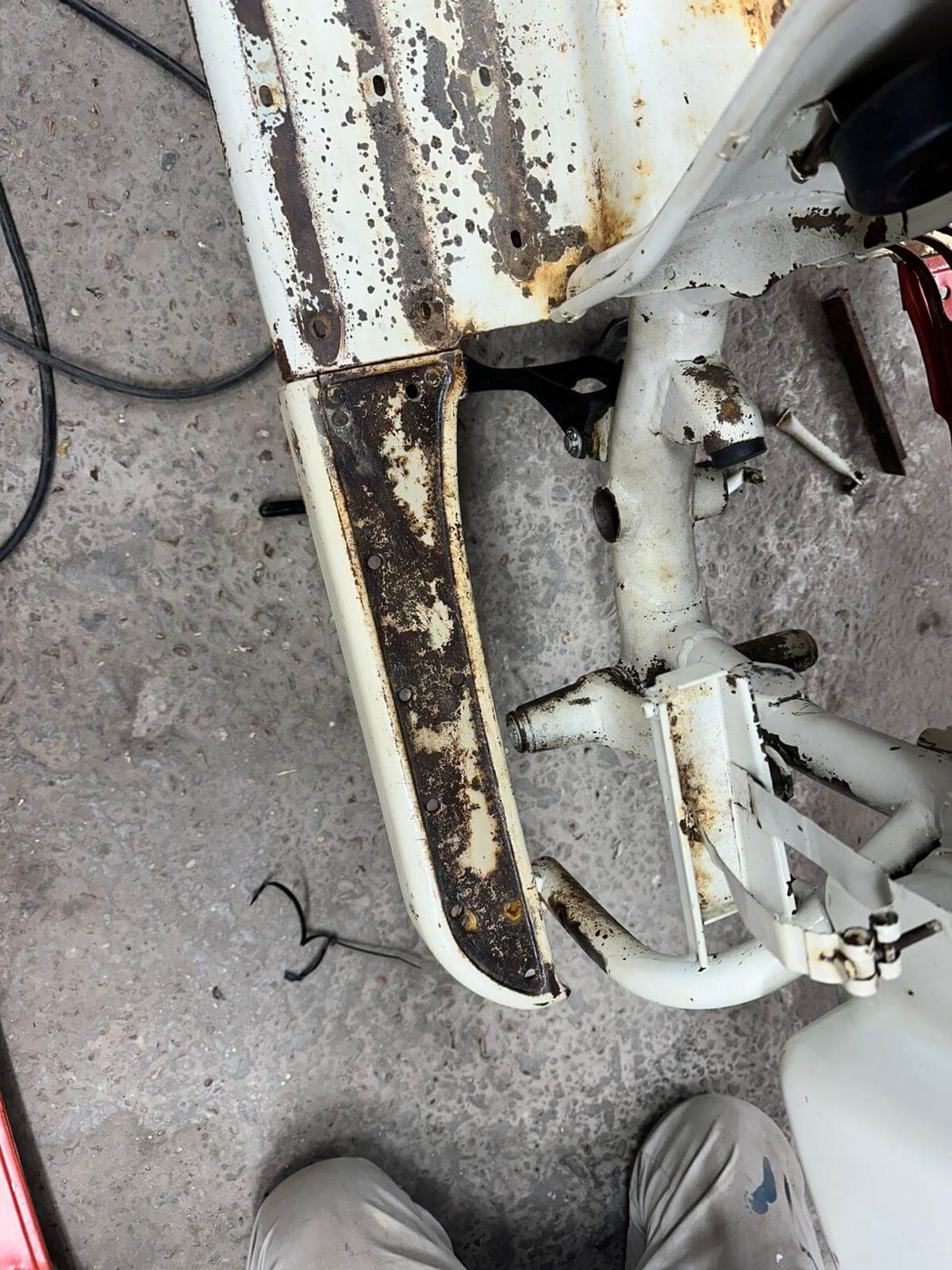
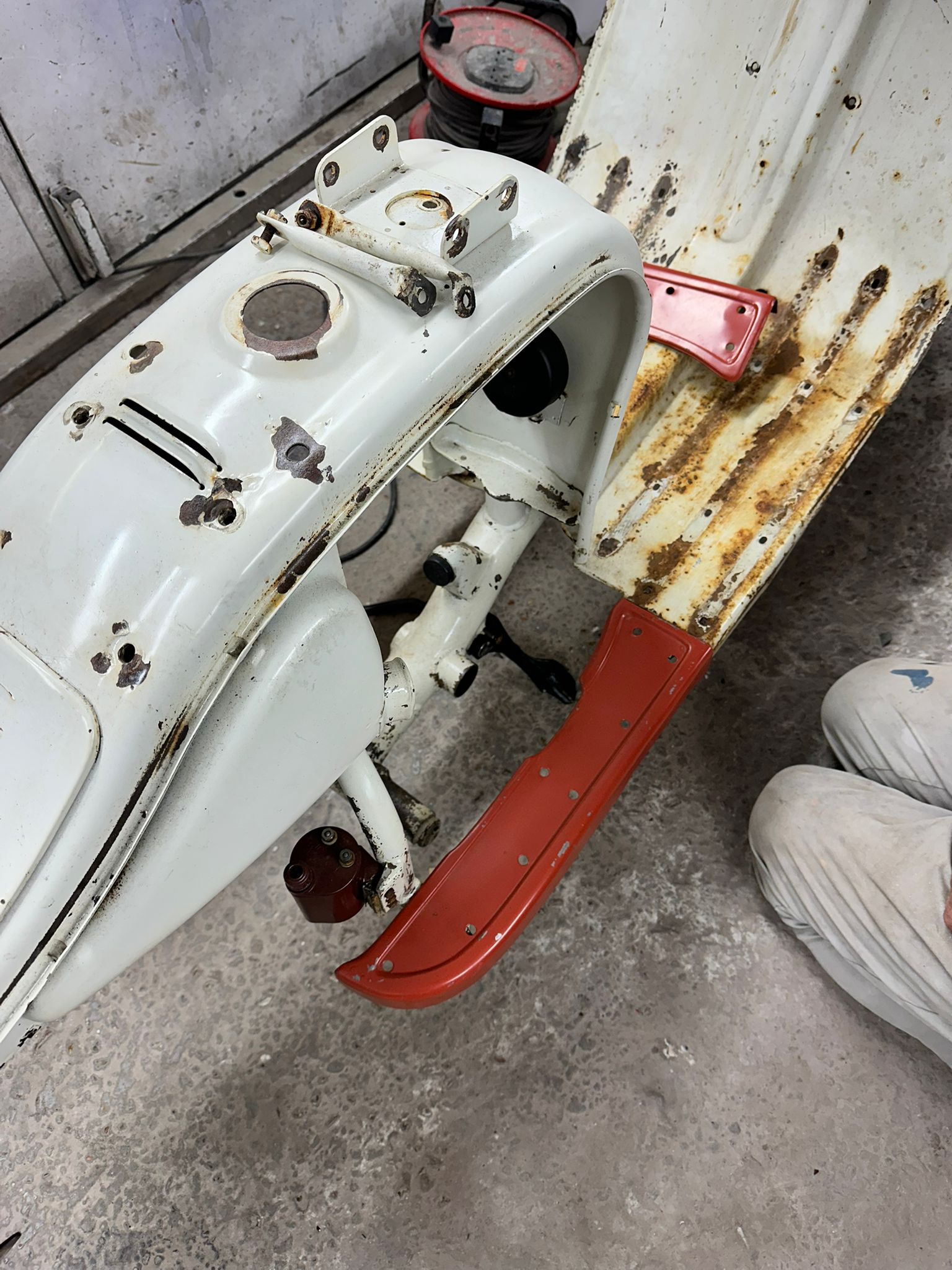
We often see classic scooters that have been restored or repaired more than once during their life. Some work may have been done well, some may have been done simply to keep the scooter on the road. That is understandable. These machines were used, modified, painted, repaired and personalised over many years. But when a proper restoration begins, all of that history has to be assessed carefully.
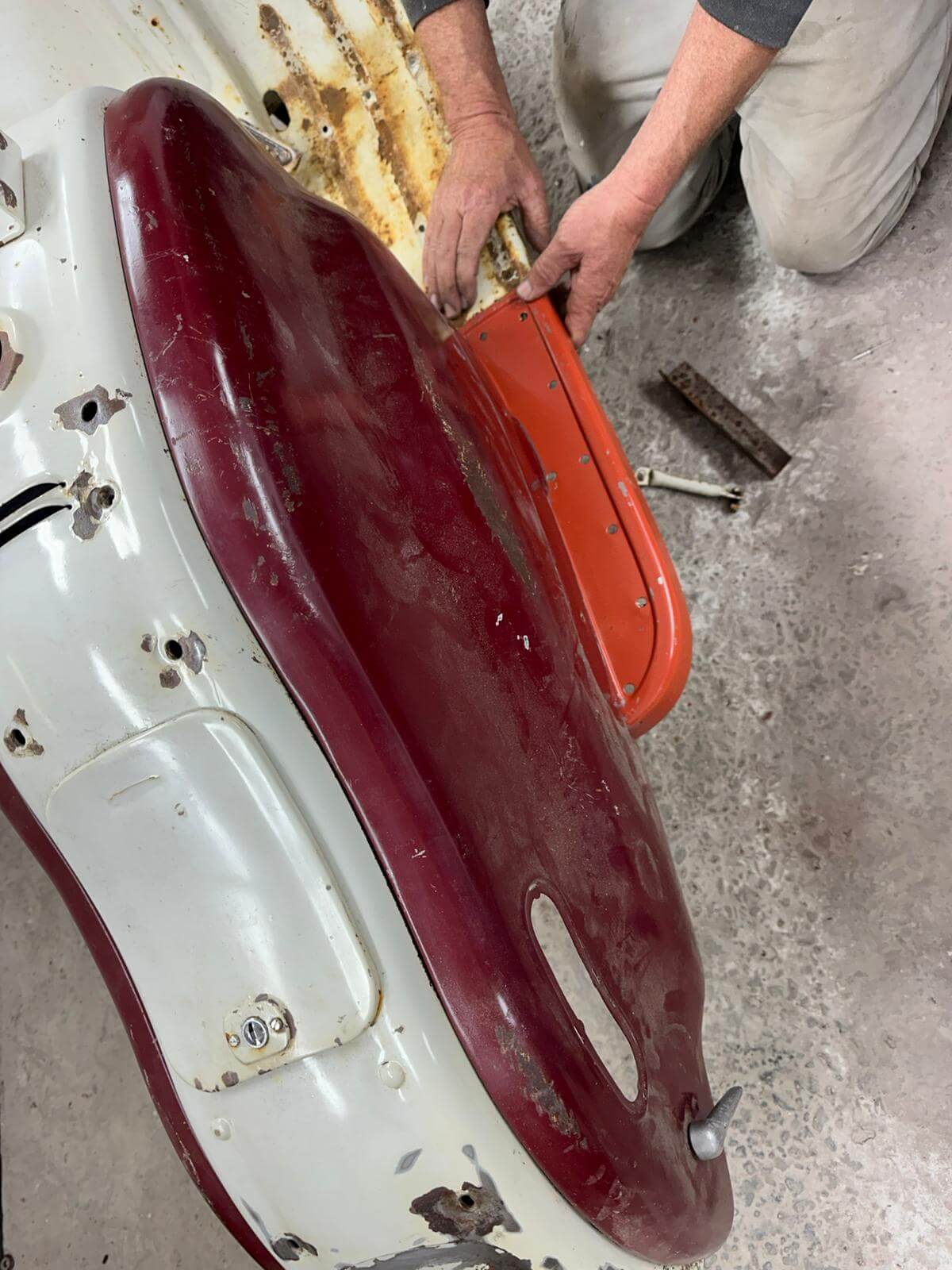
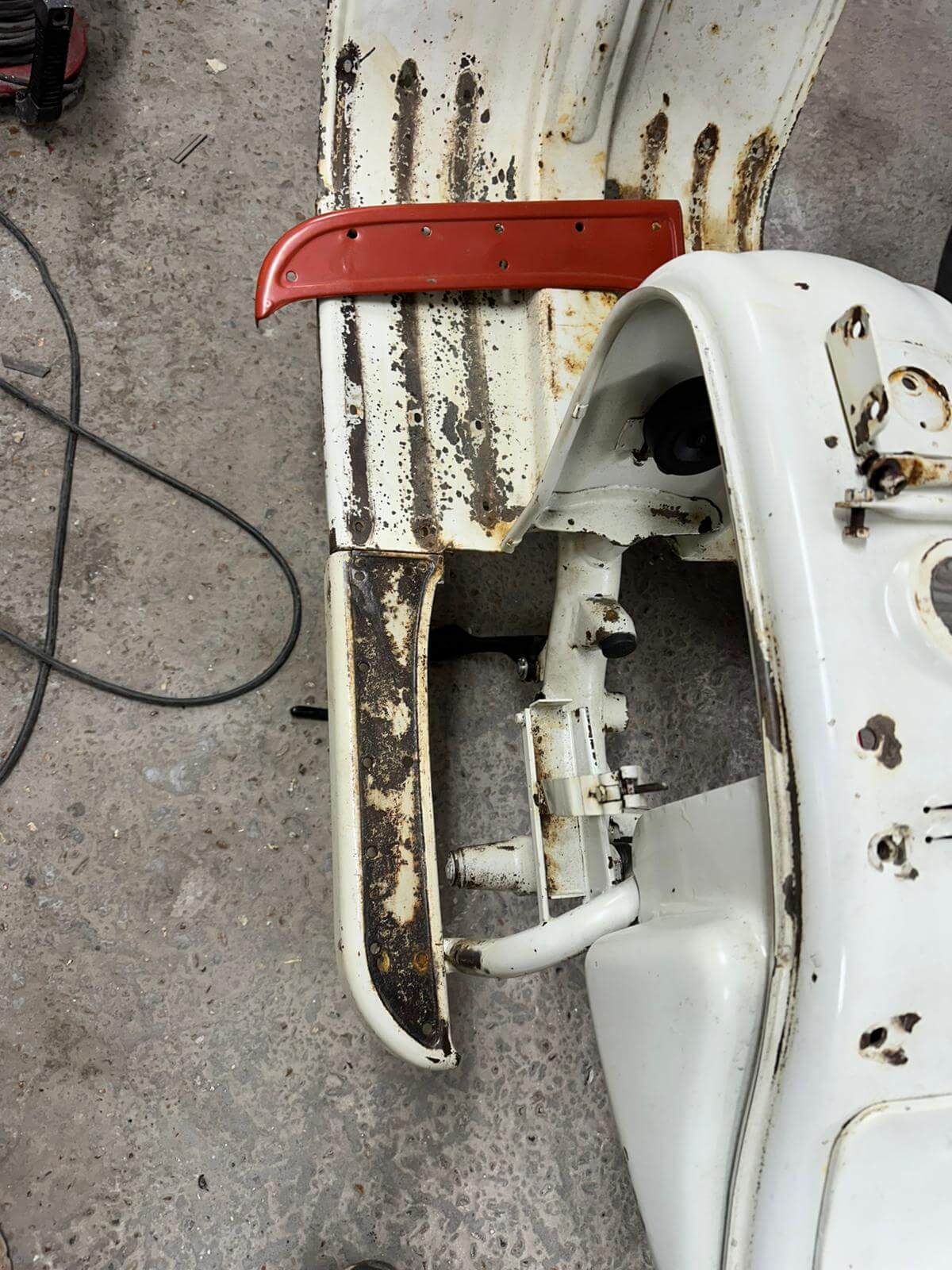
At White’s Bodyworks in Hassocks, West Sussex, work like this starts with finding out what is really there. Panels may need correcting, previous repairs may need tidying or replacing, and corrosion has to be dealt with properly rather than covered over. On a Lambretta, small details can make a big difference. Panel fit, leg shield condition, floor areas, side panels, frame sections and mounting points all need careful attention.
Most people don’t realise how much movement and vibration these scooters have to cope with. A repair that looks acceptable while the scooter is standing still may not last once it is being ridden regularly. That is why preparation and sound repair work matter so much. Fresh paint or polished trim will not compensate for weak metalwork or poor alignment underneath.
Mechanically, classic scooters are fairly straightforward, but that does not mean they can be rushed. Cables, brakes, suspension, engine mounts, fuel systems and electrical connections all need checking as part of the overall picture. A Lambretta should feel light, direct and responsive when it is right. If it feels vague, rattly or unreliable, there is usually a reason.
The aim with this restoration is not to strip away the scooter’s character. Lambrettas have always had personality. The work is about bringing the machine back to a solid, usable condition while respecting what makes it appealing in the first place.
This project is still in progress, but the direction is clear: repair what needs repairing, restore the important details properly, and give the scooter the right foundation for the next stage of its life.
Machines like this deserve careful work. They may be small compared with a classic car, but getting them right still takes patience, experience and a proper understanding of how older vehicles were built.