The VW T4 camper van sits in an interesting place now. It is modern enough to be practical, usable and comfortable, but old enough that corrosion and structural repairs are becoming a regular part of ownership. Plenty of these vans are still used properly for weekends away, family trips and day-to-day driving, which is exactly what they were built for. But use, weather and age all take their toll.
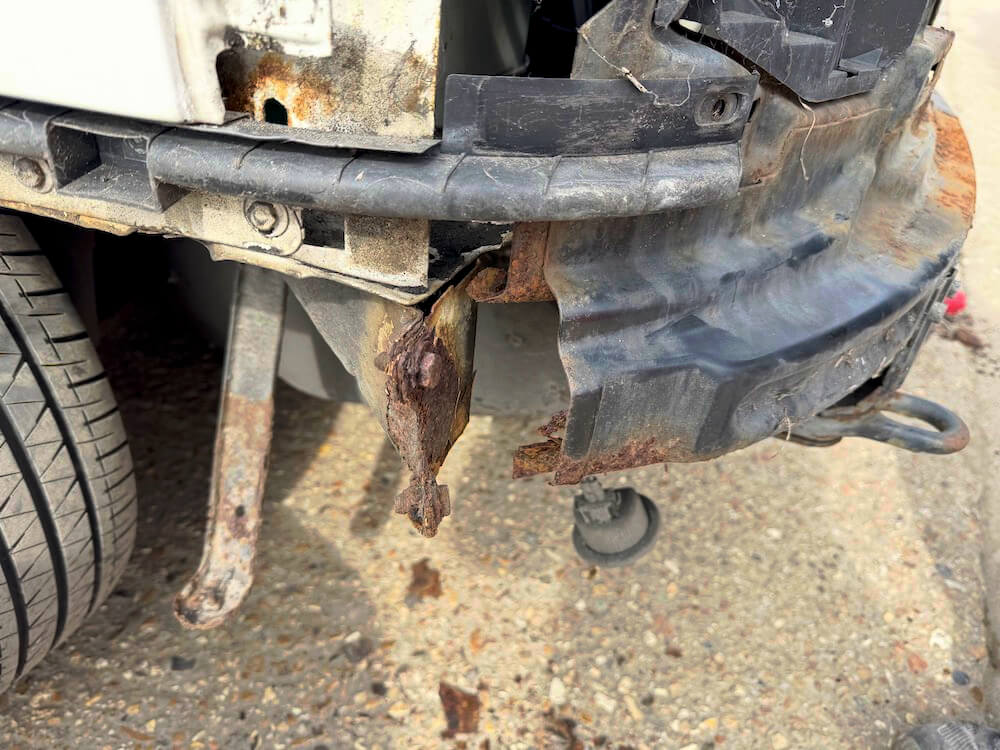
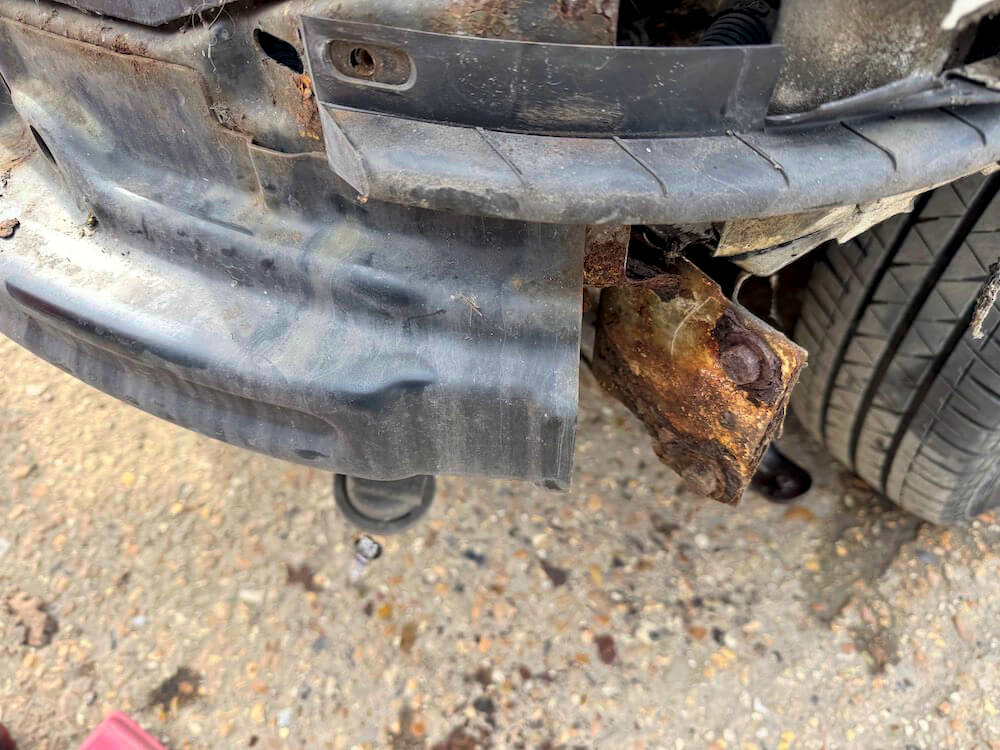
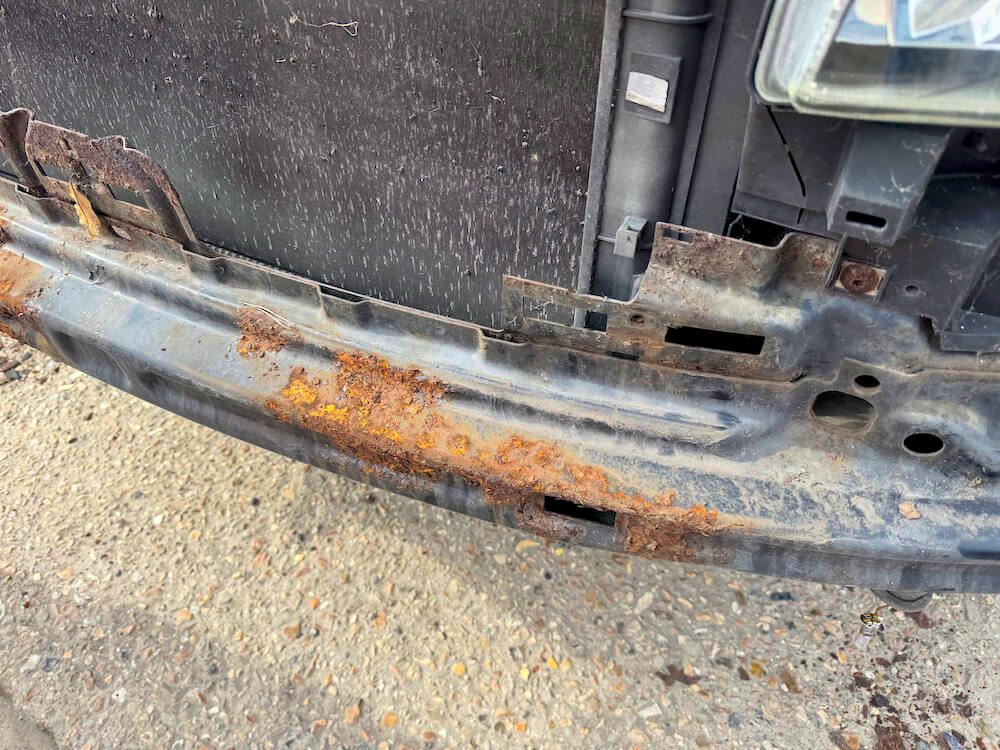
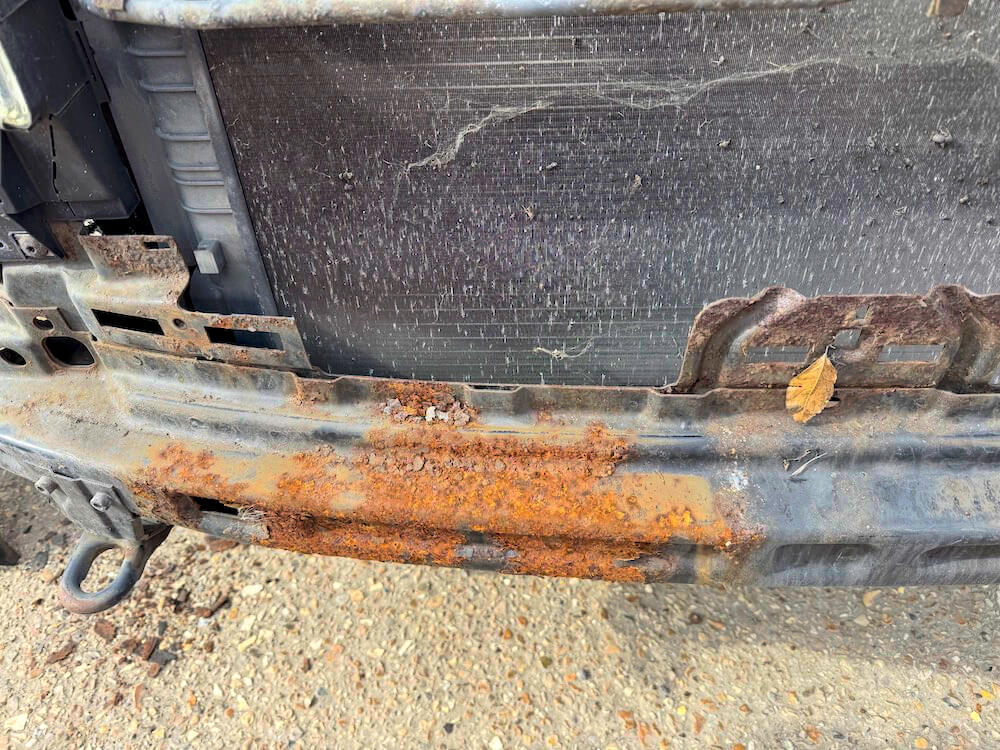
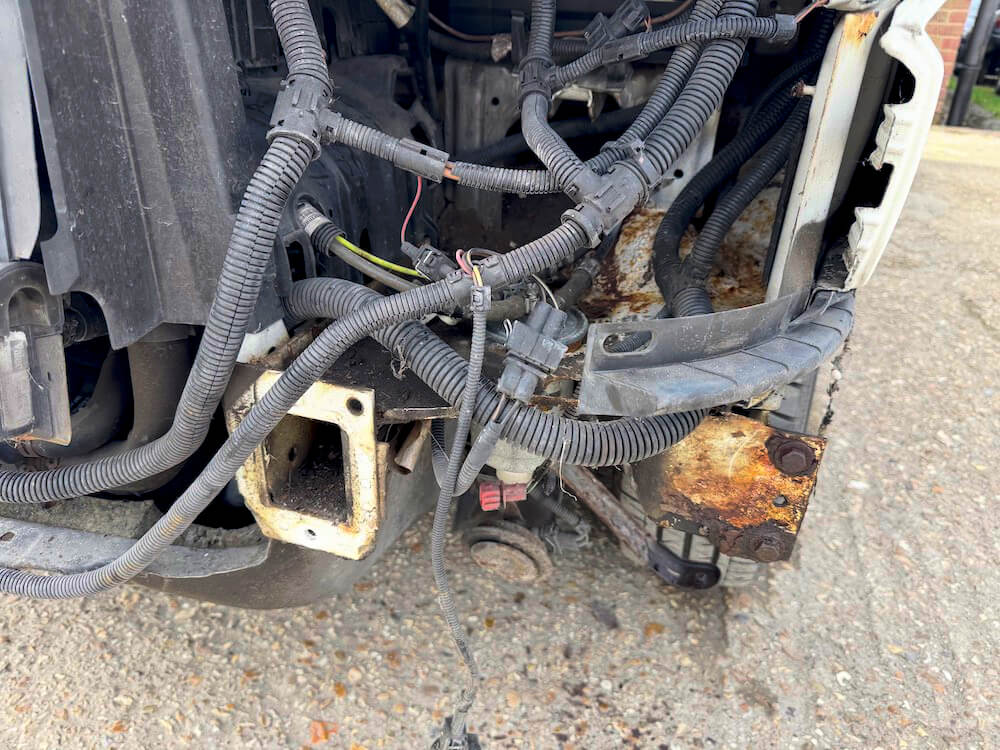
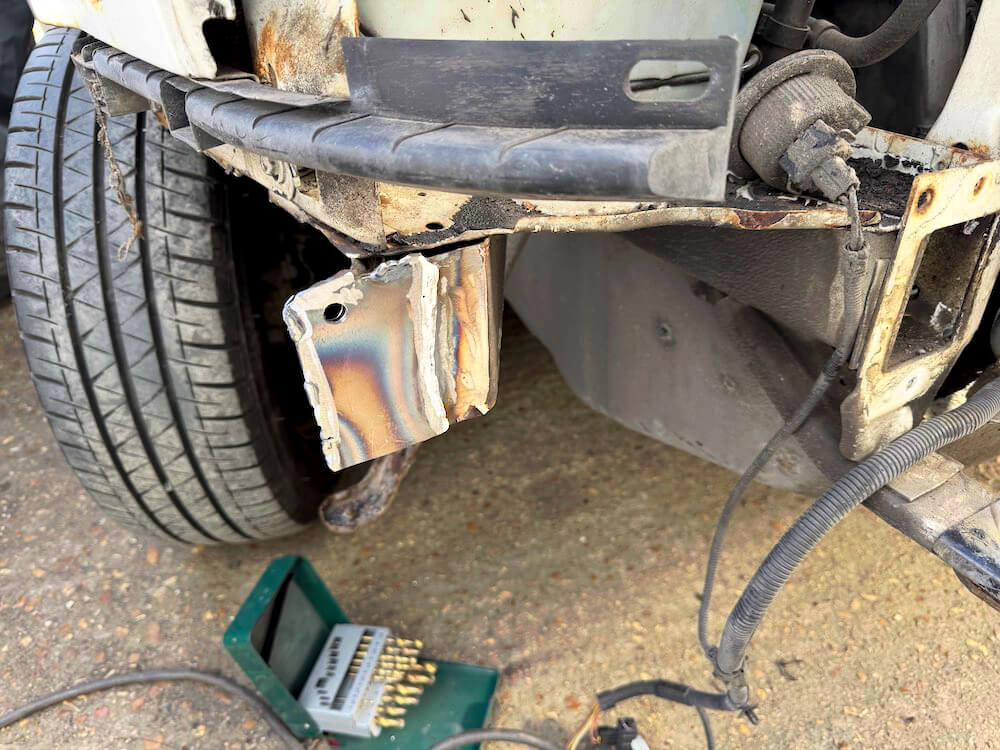
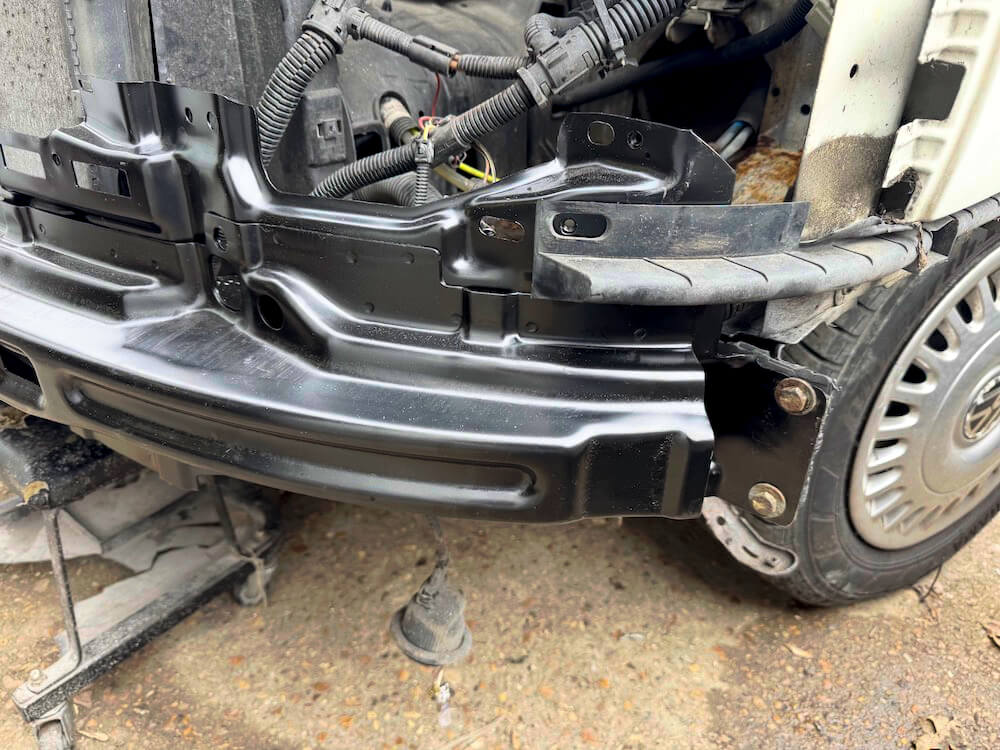
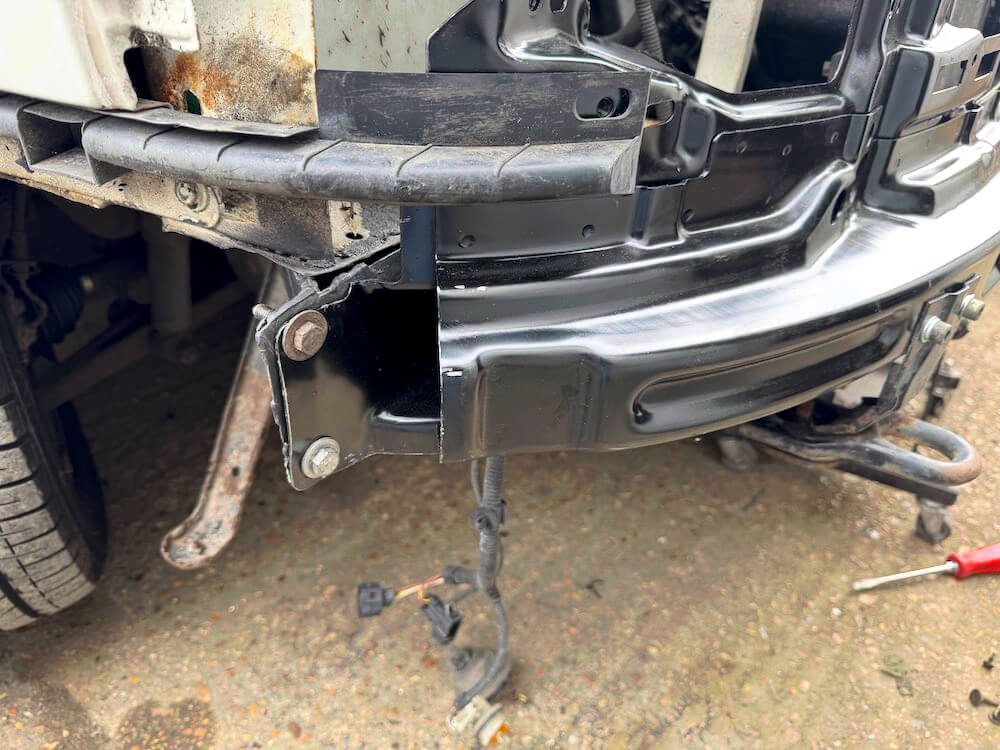
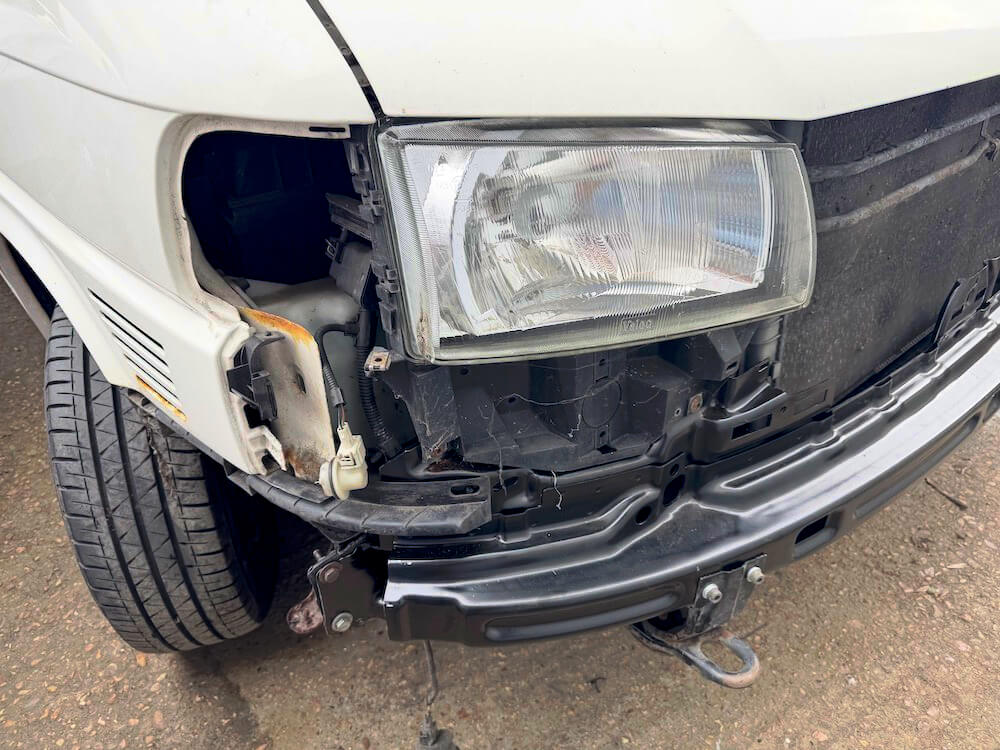
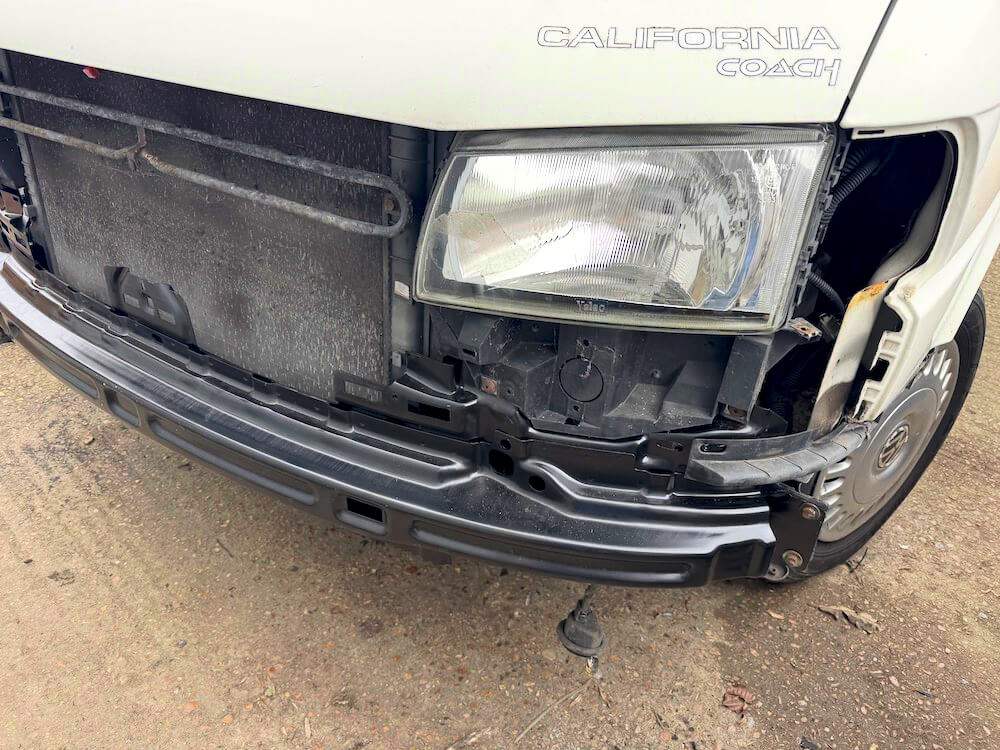
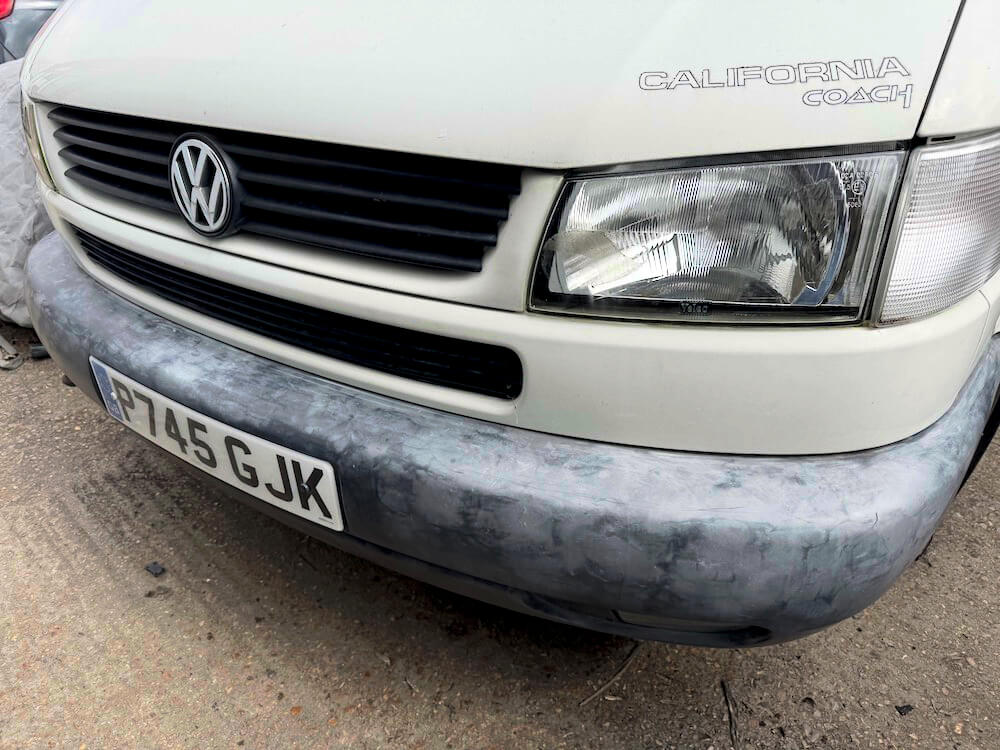
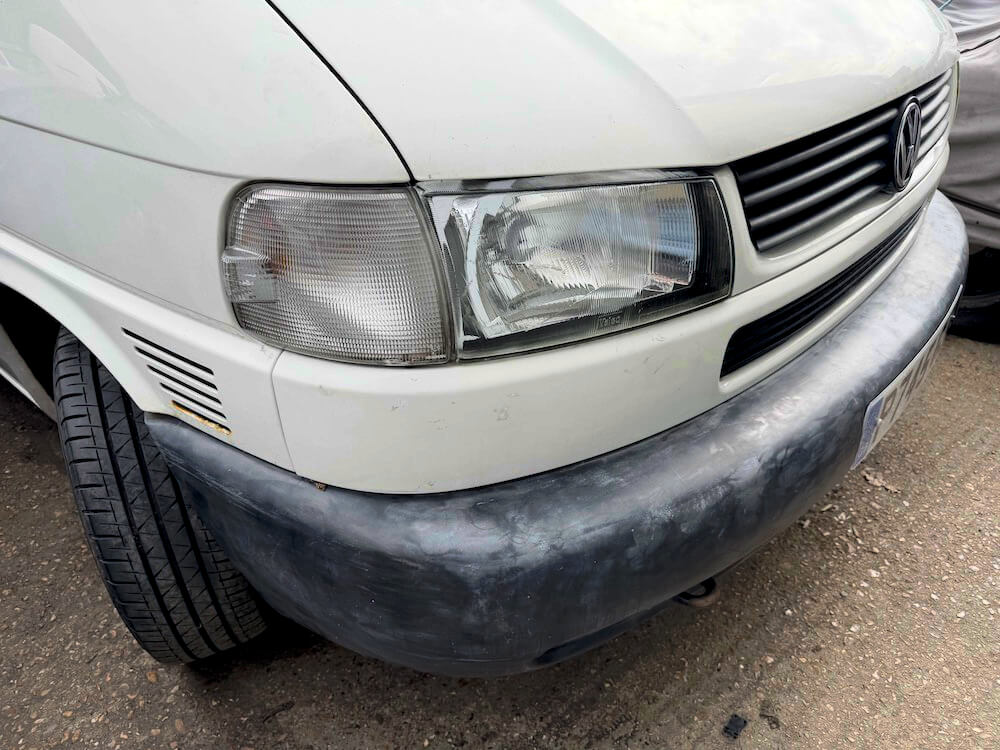
This T4 came in for front crossmember replacement, along with welding and fabrication work to address MOT advisories. That is fairly typical of where many older vans are now. They may still drive well and look tidy enough from the outside, but underneath there are areas that need proper attention before they become more serious.
The front crossmember is not a decorative piece. It plays an important structural role at the front of the vehicle, supporting key components and helping maintain strength across the front end. Once corrosion gets into this area, it needs to be dealt with correctly. In practice, we often see vans where the early signs have been noted as advisories for a year or two, then eventually the metal reaches the point where replacement or fabrication is the sensible route.
MOT advisories are worth taking seriously, especially on older camper vans. They are not failures yet, but they are warnings. Corrosion, weakened mounting areas and deteriorating metalwork rarely improve on their own. If anything, the combination of winter road salt, damp storage and regular use tends to accelerate the problem.
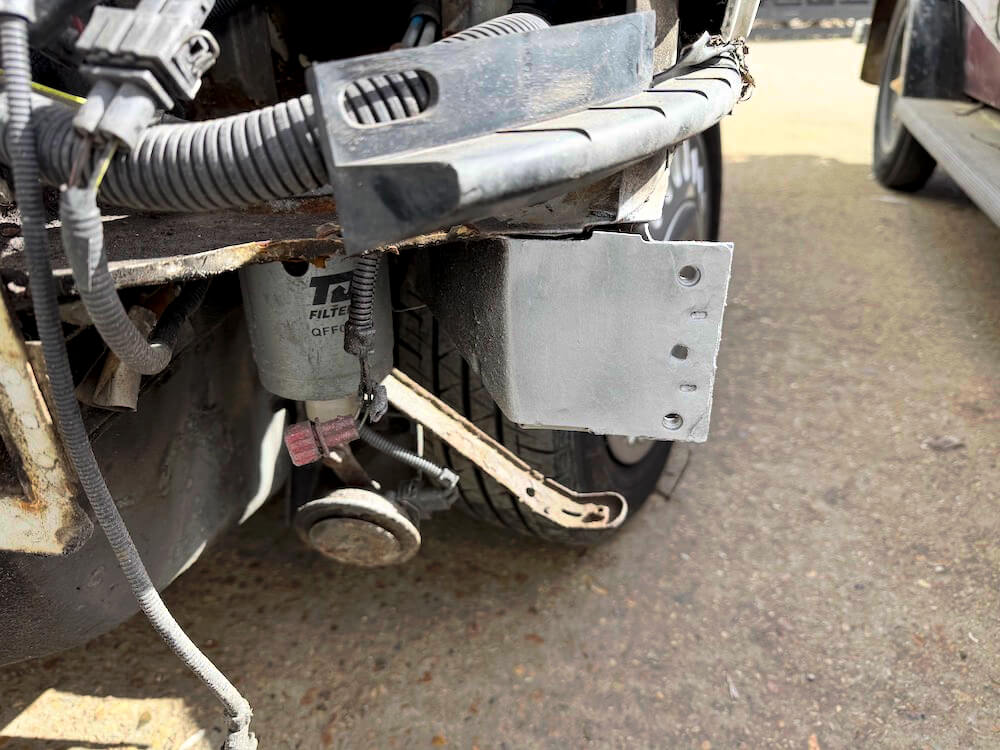
At White’s Bodyworks in Hassocks, West Sussex, work like this starts by exposing the affected areas properly. There is no value in welding onto thin or contaminated metal. The damaged sections need to be cut back to sound steel, the replacement crossmember fitted correctly, and any surrounding areas fabricated or repaired as required.
Welding and fabrication on a T4 camper has to be practical and durable. These vans are often carrying extra weight from camper conversions, interiors, leisure batteries, water tanks or storage units. That makes solid structural repair even more important. The aim is not just to get through an MOT, but to make the van safe and dependable for continued use.
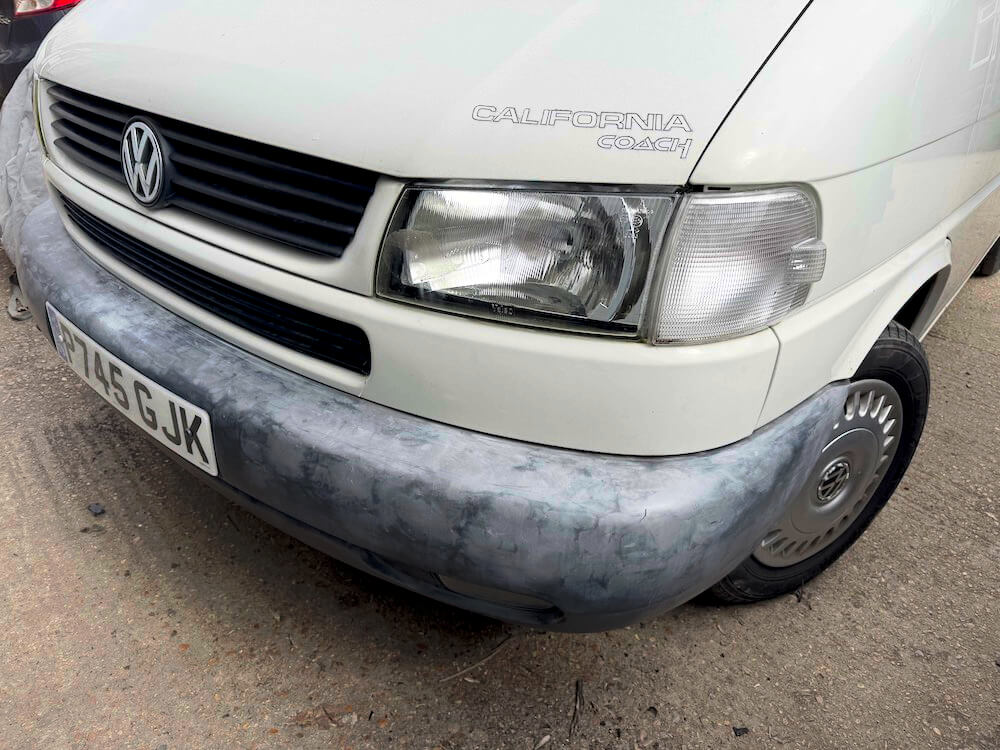
Most people don’t realise how much difference proper underbody repair makes to the long-term life of a camper. Good metalwork, correct alignment and proper protection after welding all matter. Without that final sealing and protection stage, corrosion can return far sooner than it should.
This T4 is a good example of sensible preventative repair. Addressing MOT advisories before they become major failures keeps the vehicle usable and avoids more complicated work later on. It may not be glamorous, but it is exactly the sort of repair that keeps much-loved camper vans on the road where they belong.