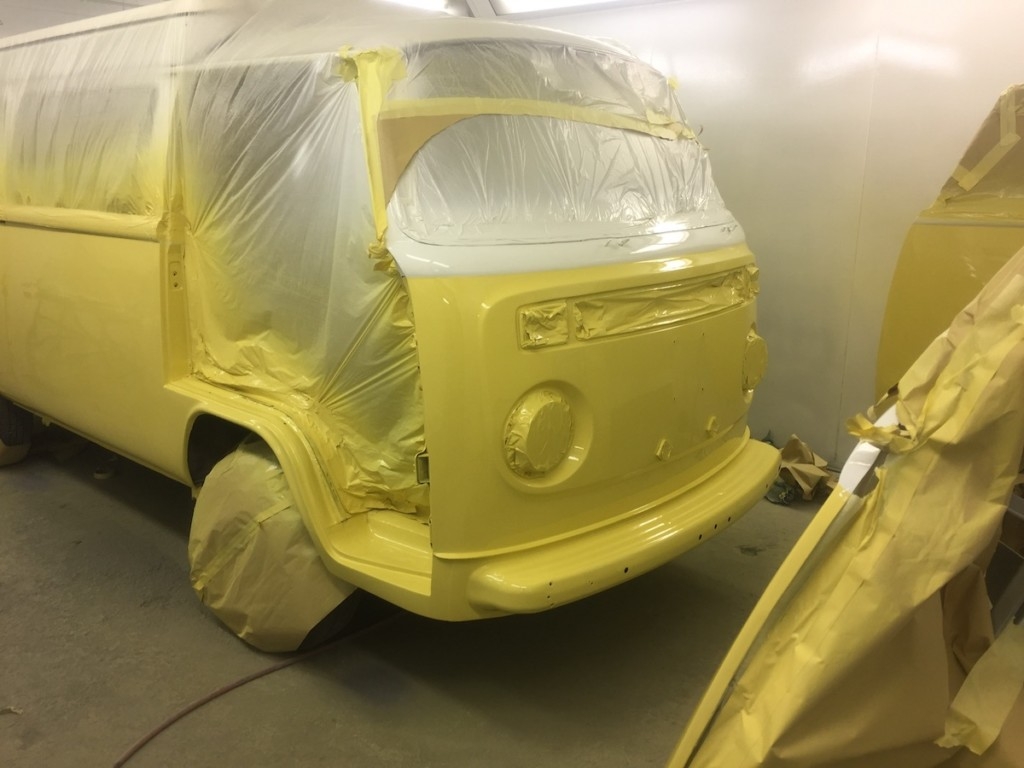
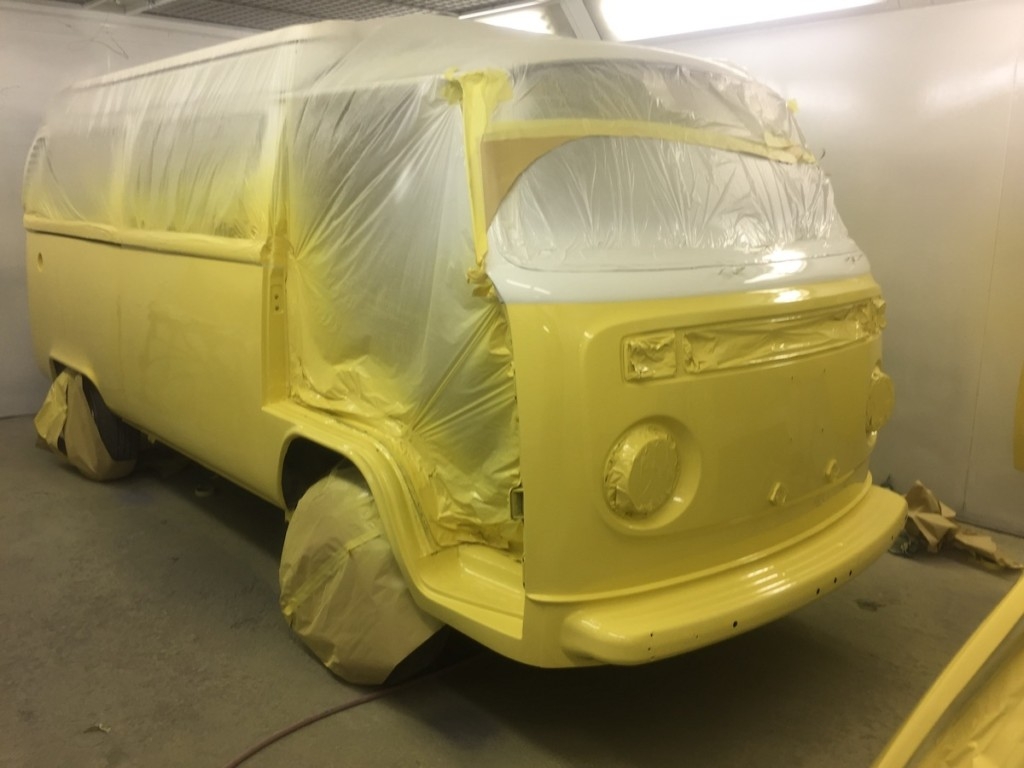
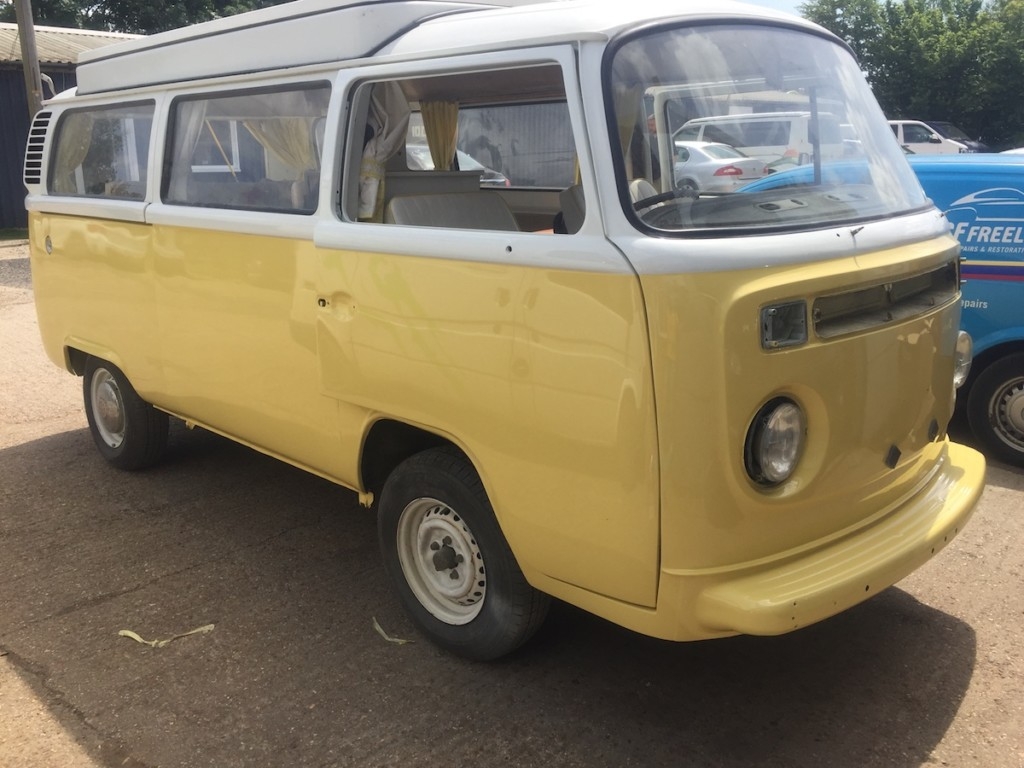
The Volkswagen Type 2 Camper Van is one of those vehicles that carry a bit of everything. Travel, lifestyle, nostalgia, and usually a fair bit of history. Most of them have been used properly over the years, which is part of the appeal, but it also means the bodywork rarely escapes without a few stories to tell.
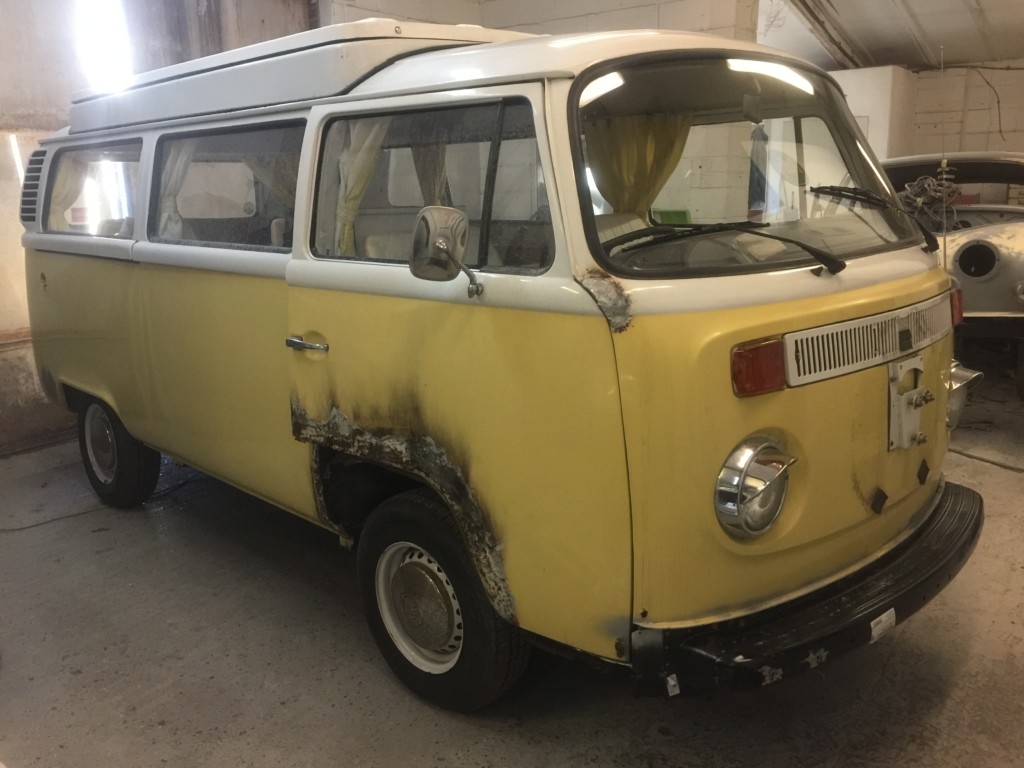
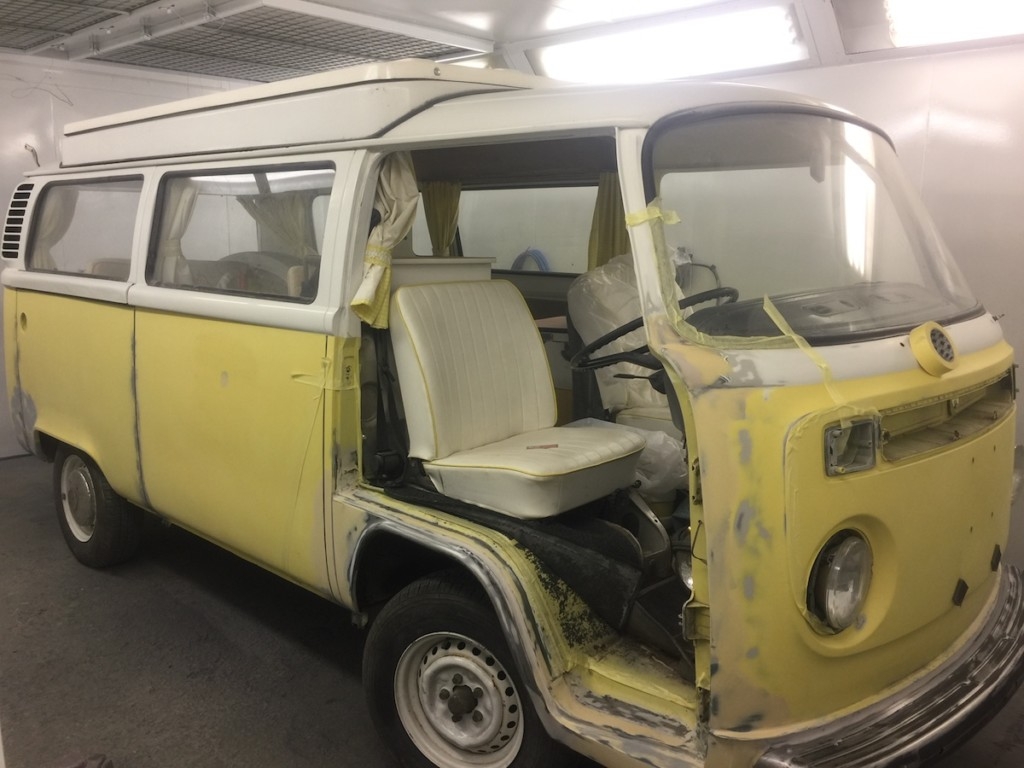
This one is in for bodywork restoration, focusing on bringing the structure and panels back into good order rather than making it overly polished. Like many campers, it’s seen regular use, likely some coastal air, plenty of damp conditions and the sort of wear that builds up gradually rather than all at once.
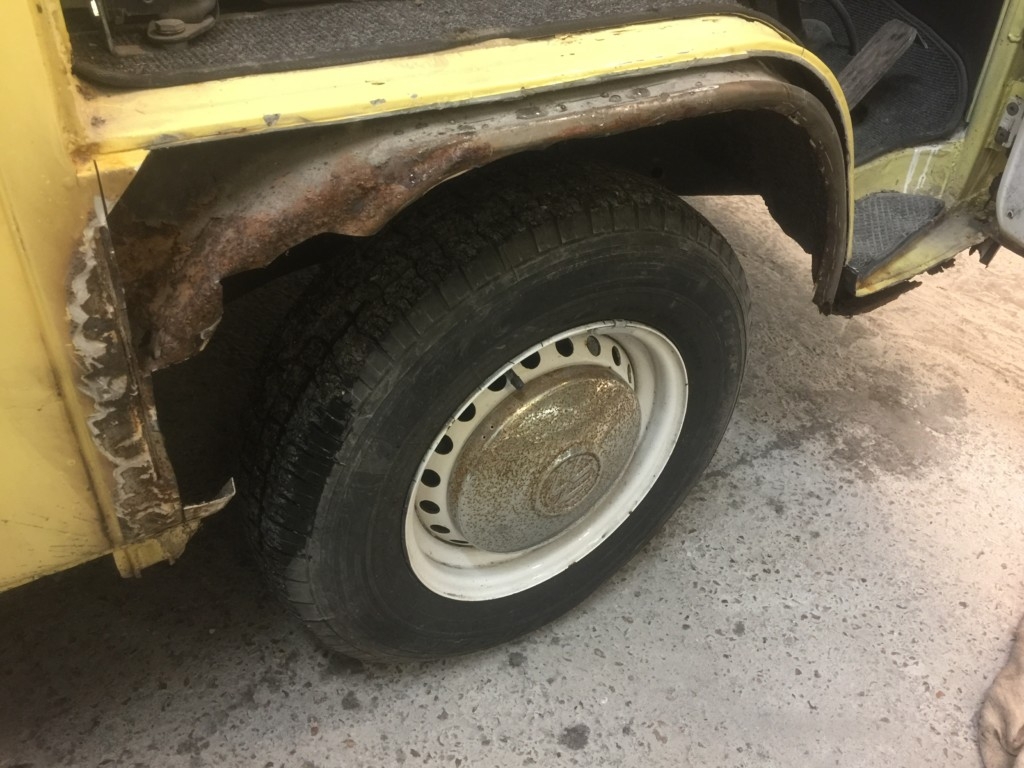
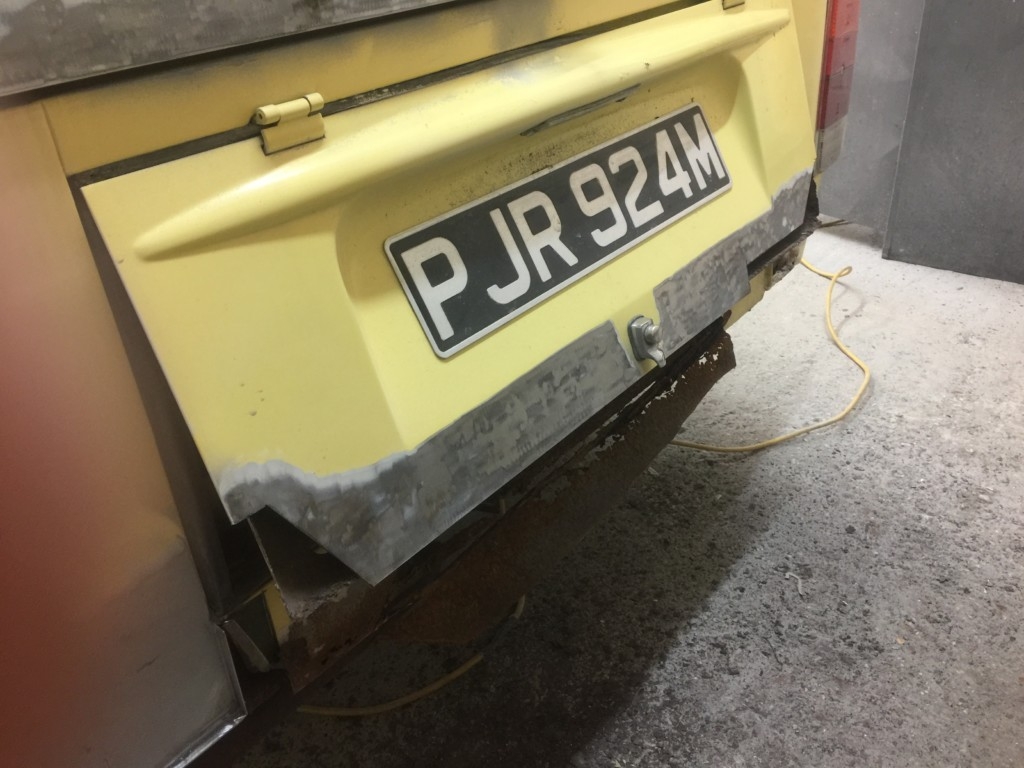
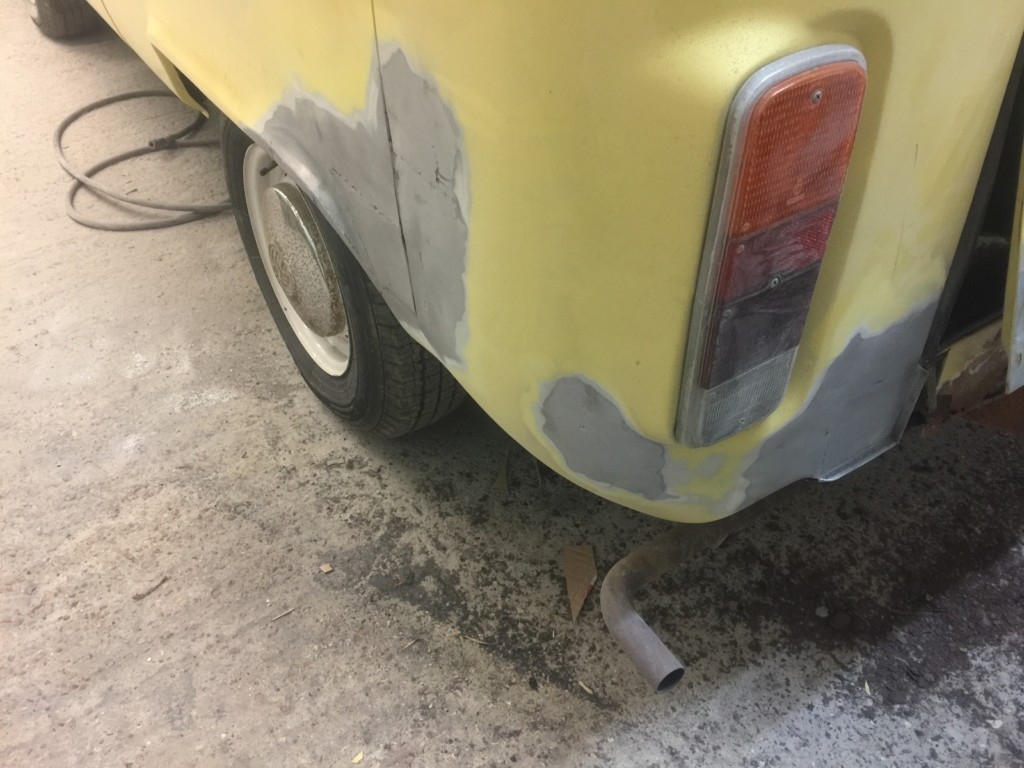
We often see similar patterns on these vans. Corrosion around the lower panels, sills, wheel arches and seams is common. Water tends to sit in the same places over time, especially if drain holes block or seals start to fail. From the outside, it can look manageable. Once you start opening it up, there’s usually more to deal with.
Older repairs are also part of the picture. Camper vans in particular have often been patched over the years just to keep them going. Some of that work holds up, some of it doesn’t. In practice, it’s not unusual to uncover filler over corrosion or thin repairs that need to be redone properly.
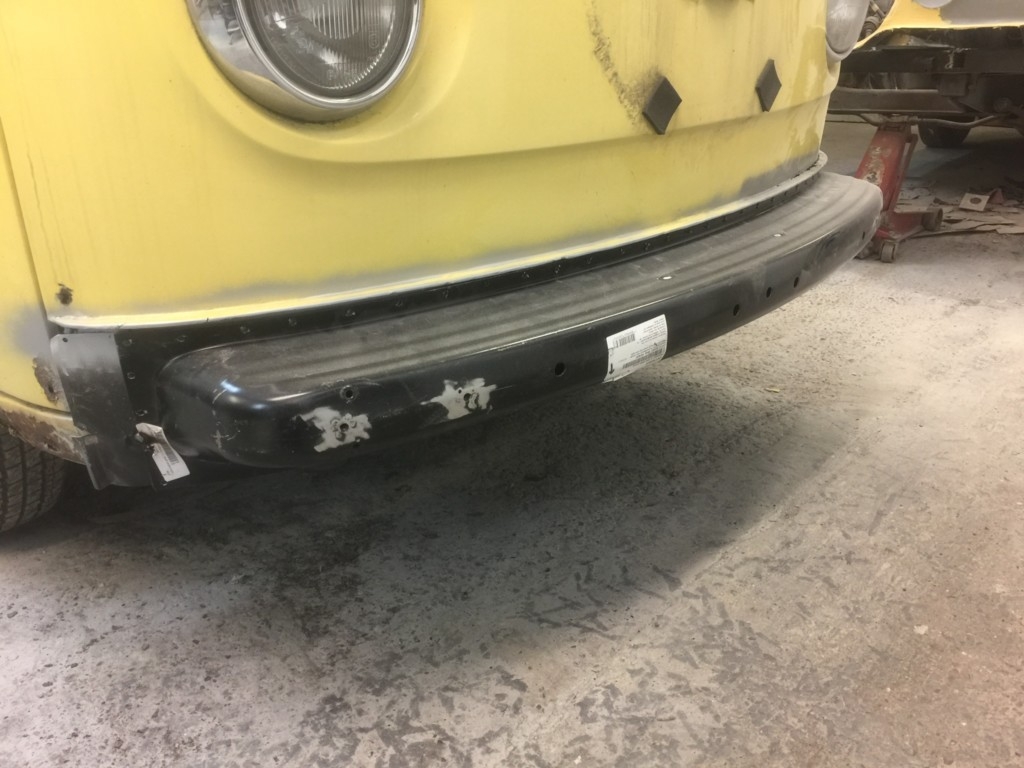
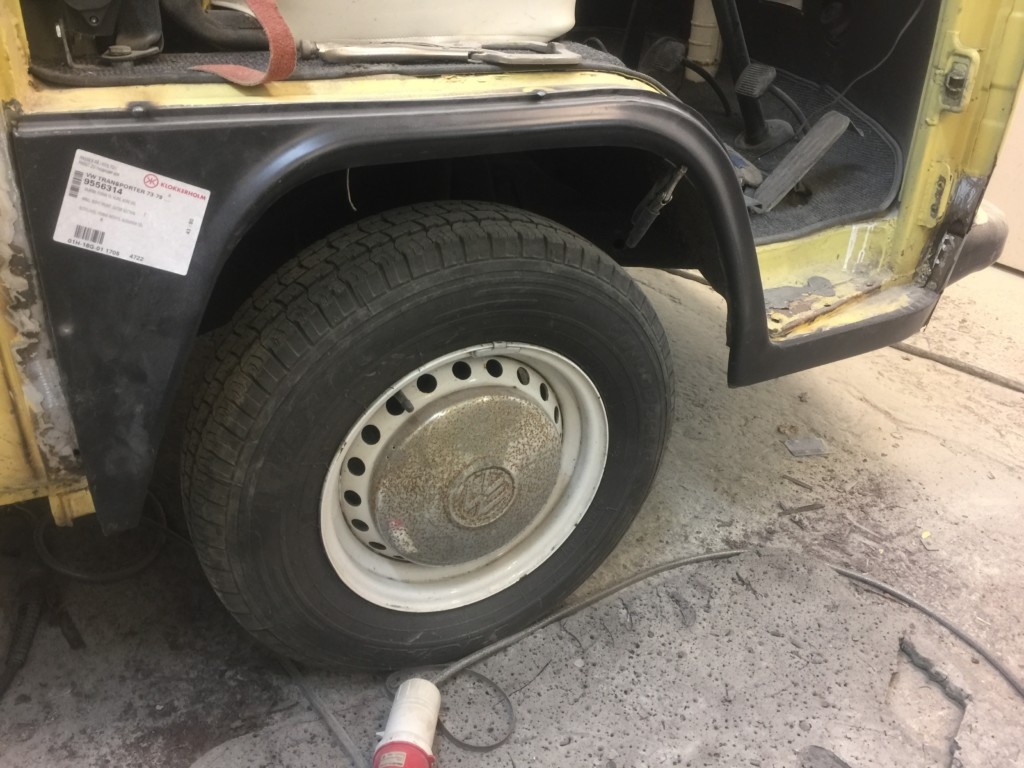
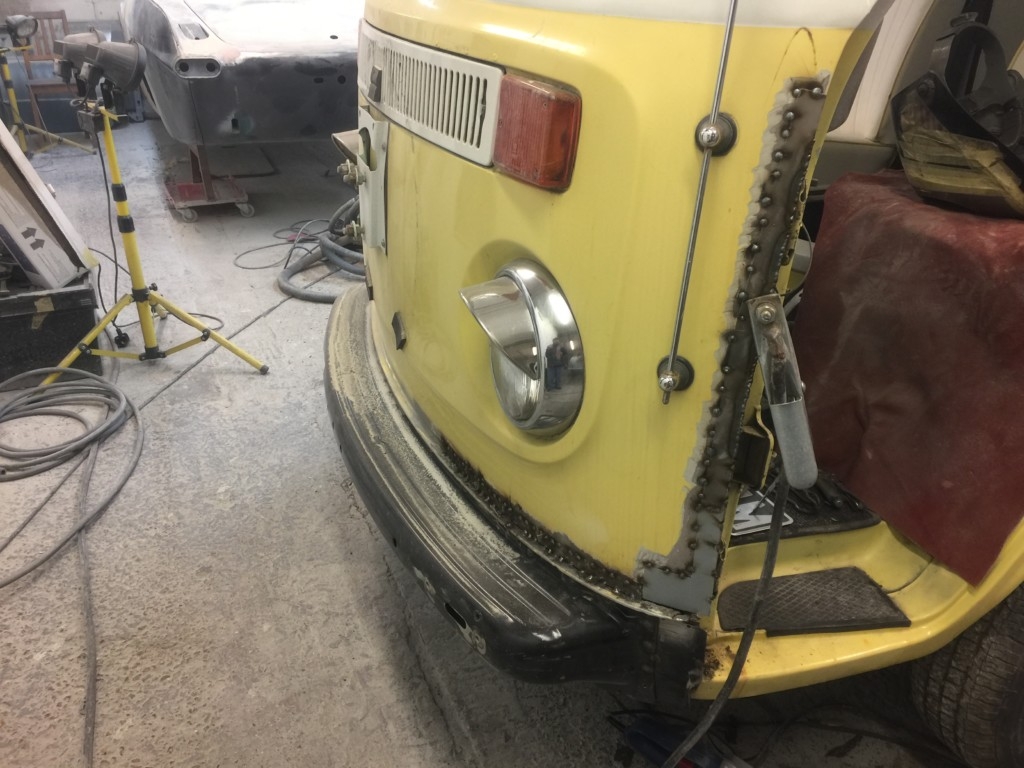
At White’s Bodyworks in Hassocks, West Sussex, restoration work like this starts with getting back to solid metal. Any compromised sections are removed and replaced with properly formed panels. There’s no benefit in covering over corrosion, especially on a vehicle that’s expected to keep being used.
Panel alignment and overall shape matter more than people expect on a camper. The sides are long and fairly flat, which means imperfections show up easily in the light. Getting everything sitting correctly, with clean lines and consistent gaps, takes time.
The aim here isn’t to over-restore the van or remove its character. Camper vans suit an honest finish. They’re meant to be used, not just looked at. The focus is on making the bodywork solid, tidy and durable enough to handle more years of use.
In practice, restoration like this is steady work. There’s a lot of preparation before any paint is considered. Each section needs to be right before moving on to the next. Rushing it just creates more work later.
This camper is still in progress, but the goal is straightforward. Restore the body so it’s structurally sound and visually consistent, while keeping the character that makes these vans what they are.
They were never built to last this long, but with the right work, they often do.