It’s a strange thought, but an interesting one. If everything stopped tomorrow – no breakdown services, no dealerships, no easy access to parts – what sort of car would you actually want?
Not the fastest. Not the newest. Not the one with the most gadgets.
In a world where you’re relying on what you’ve got and what you can fix yourself, the priorities shift completely. Reliability matters. Simplicity matters. The ability to keep something running with limited tools matters most of all.
In practice, it’s not that different from what we see in the workshop. Cars that last aren’t always the most impressive on paper. They’re the ones that can be repaired, adapted and kept going.
Here are ten of the best types of cars you’d want if things really did go quiet, according to our team at White’s Bodyworks.
If there’s one vehicle that comes up every time this question is asked, it’s the Hilux.
There’s a reason for that. They’re simple, tough and built to handle abuse. Old Hilux models in particular can run for years with basic maintenance. We’ve all seen examples still going long after most cars would have been scrapped.
In a post-apocalyptic setting, that matters more than anything else. Strength, reliability and ease of repair.
The Land Rover Series III is about as simple as it gets. No unnecessary electronics, straightforward engineering, and designed to be repaired in the field.
They’re not fast. They’re not comfortable. But they’ll get you across ground most cars won’t even attempt.
In practice, simplicity like this is an advantage. Less to go wrong, and easier to put right when it does.
The Volvo 240 has a reputation for durability for a reason. Solid construction, simple engines, and a design that prioritised longevity over trends.
We still see them on the road now, decades later.
They’re not exciting, but that’s part of the appeal. In a survival situation, you want something predictable.
The W123-era Mercedes was built with longevity in mind. Thick metal, robust mechanicals, and engines that seem to run indefinitely if maintained.
They were taxis in many parts of the world for a reason.
They’re heavier than some alternatives, but they’re dependable. And in this scenario, that counts for a lot.
Originally built for police and fleet use, the Crown Vic is straightforward and tough.
Body-on-frame construction, a reliable V8, and widely available parts. It’s not complicated, and that’s the point.
You could keep one running with basic tools and a bit of knowledge.
Older Wranglers, before everything became overly electronic, offer a good balance of off-road ability and mechanical simplicity.
They’re designed to be modified and repaired. Parts are interchangeable, and access is generally good.
In difficult terrain, that flexibility is useful.
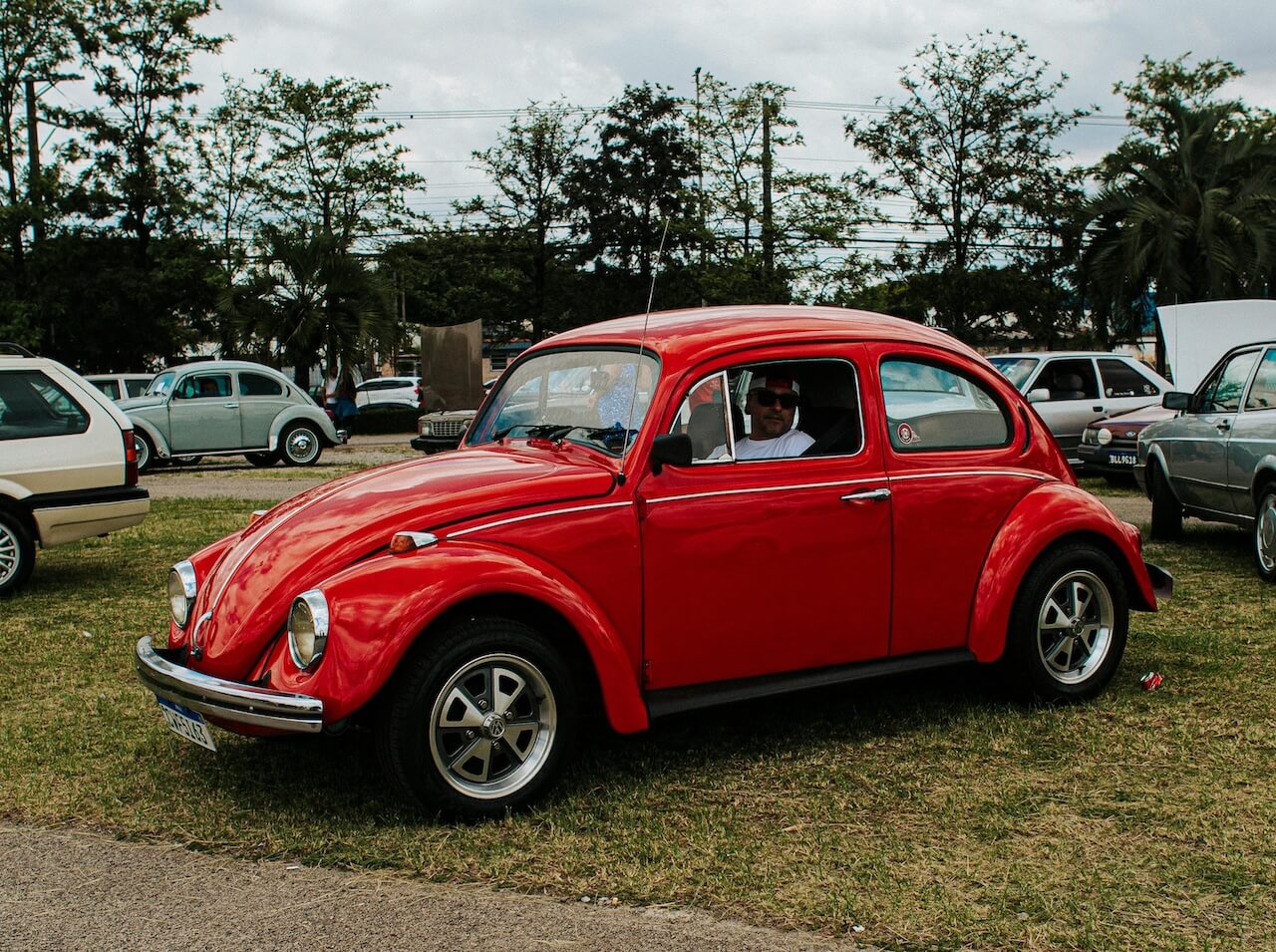
The air-cooled Beetle is about as basic as it gets. No radiator, minimal systems, and an engine that can be worked on without specialist equipment.
They’re not powerful, but they’re easy to understand and maintain.
In practice, simplicity like this keeps cars alive.
A slightly more modern option, but early Outbacks offer all-wheel drive, decent ground clearance and reasonable reliability.
They’re more complex than older vehicles, but still manageable.
If you needed something that could handle mixed conditions, they’d be a sensible choice.
Like the Hilux, the Land Cruiser has a reputation for reliability in difficult environments.
Designed for durability rather than comfort, they handle rough conditions well and keep going when maintained properly.
They’re not subtle, but they’re effective.
The classic Mini might not seem like an obvious choice, but its simplicity works in its favour.
Lightweight, easy to work on, and mechanically straightforward. Parts are small, systems are basic, and repairs can often be carried out without specialist equipment.
In tight spaces or urban environments, that size becomes an advantage.
Across all of these, the same themes come up:
In practice, the best car isn’t the most advanced. It’s the one you can keep going when things start to fail.
We’re not heading into a wasteland anytime soon, but the thinking isn’t completely irrelevant.
Cars still age. Parts still wear out. And the difference between something that lasts and something that doesn’t often comes down to how it’s maintained.
We see it every week. Vehicles that have been looked after properly keep going. Those that have had corners cut tend not to.
You don’t need a Hilux or a Land Rover to get through daily life. But you do need something that’s reliable, properly repaired and structurally sound.
If your car is starting to feel like it might not survive even a mild version of the apocalypse – rust creeping in, paintwork tired, mechanical issues building up – it’s probably time to get it looked at.
Bring it into White’s Bodyworks. We’ll help keep it going properly.
No wasteland required. Contact our expert team today to find out more.