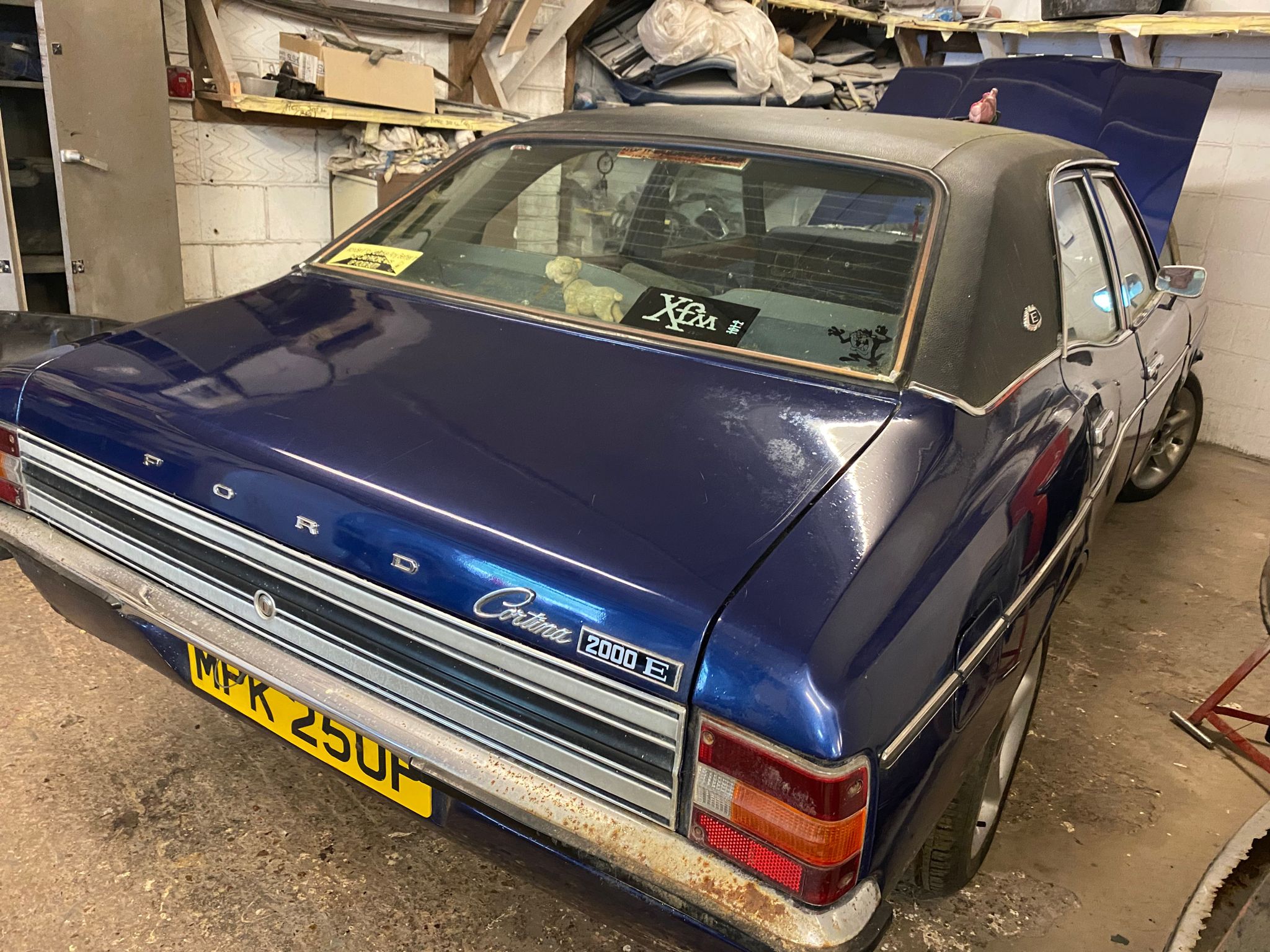
The Mk3 Ford Cortina is one of those cars that still feels familiar, even though solid examples are becoming harder to find. In the 1970s, they were everywhere. Family driveways, company car parks, building sites, school runs and motorway service stations. They were everyday transport, not collector’s items, which is exactly why surviving cars now have such interest.
The Mk3 was a noticeable change from the earlier Cortinas. Wider, lower and more American in its styling, it had that distinctive coke-bottle shape that gave it a bit more presence than the cars before it. Even now, a Mk3 Cortina has a look of its own. Simple, honest and very much of its period.
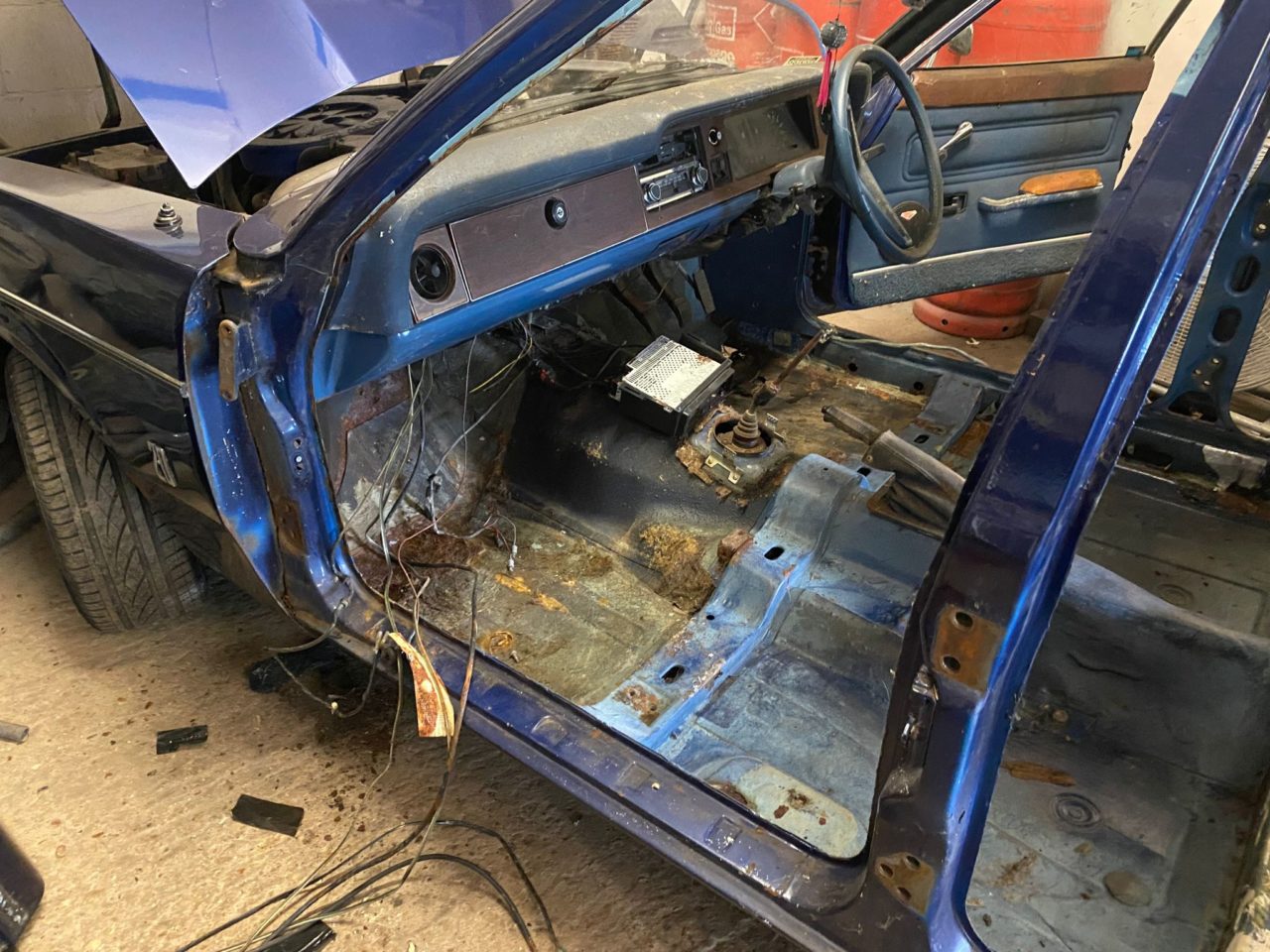
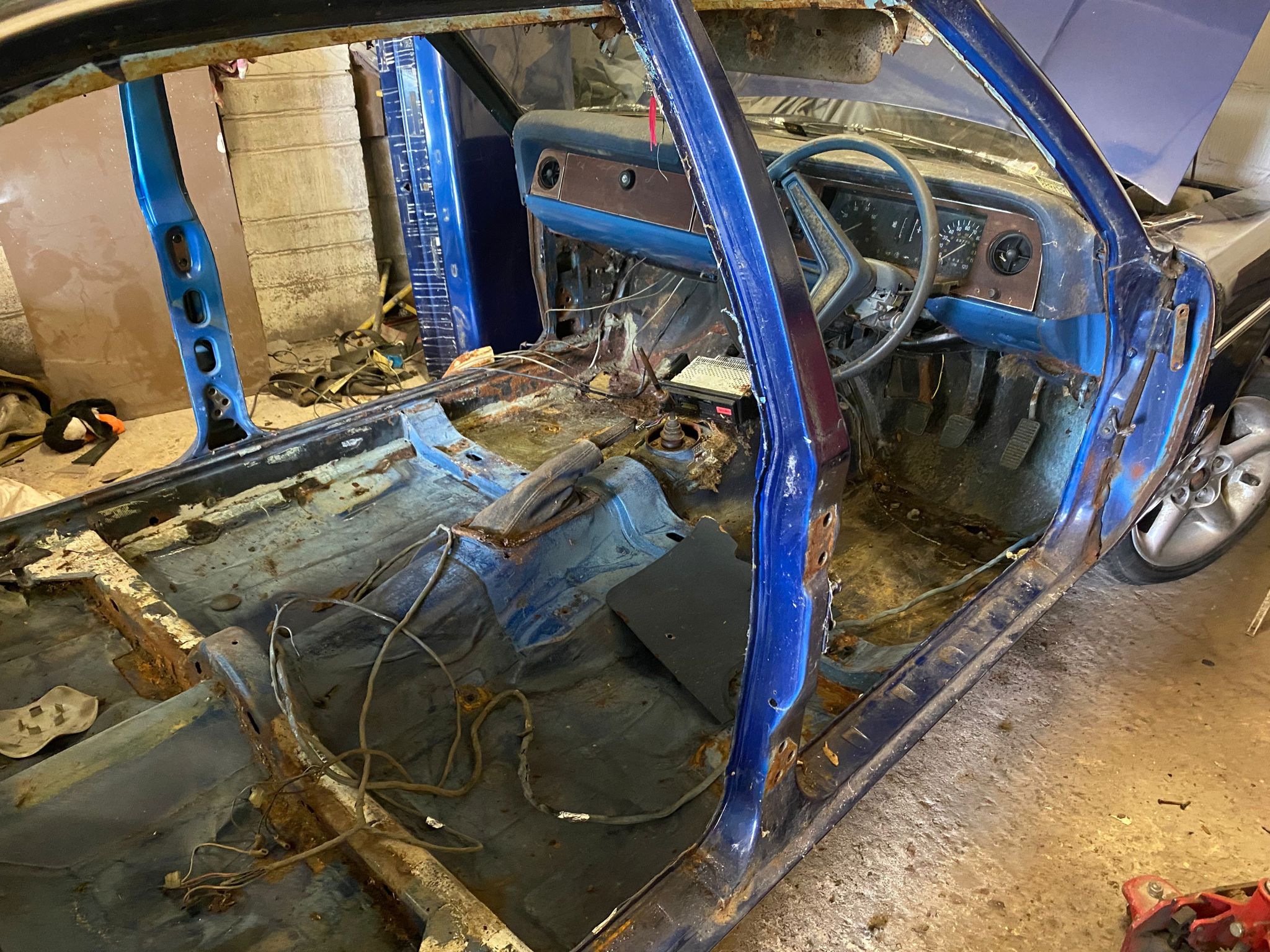
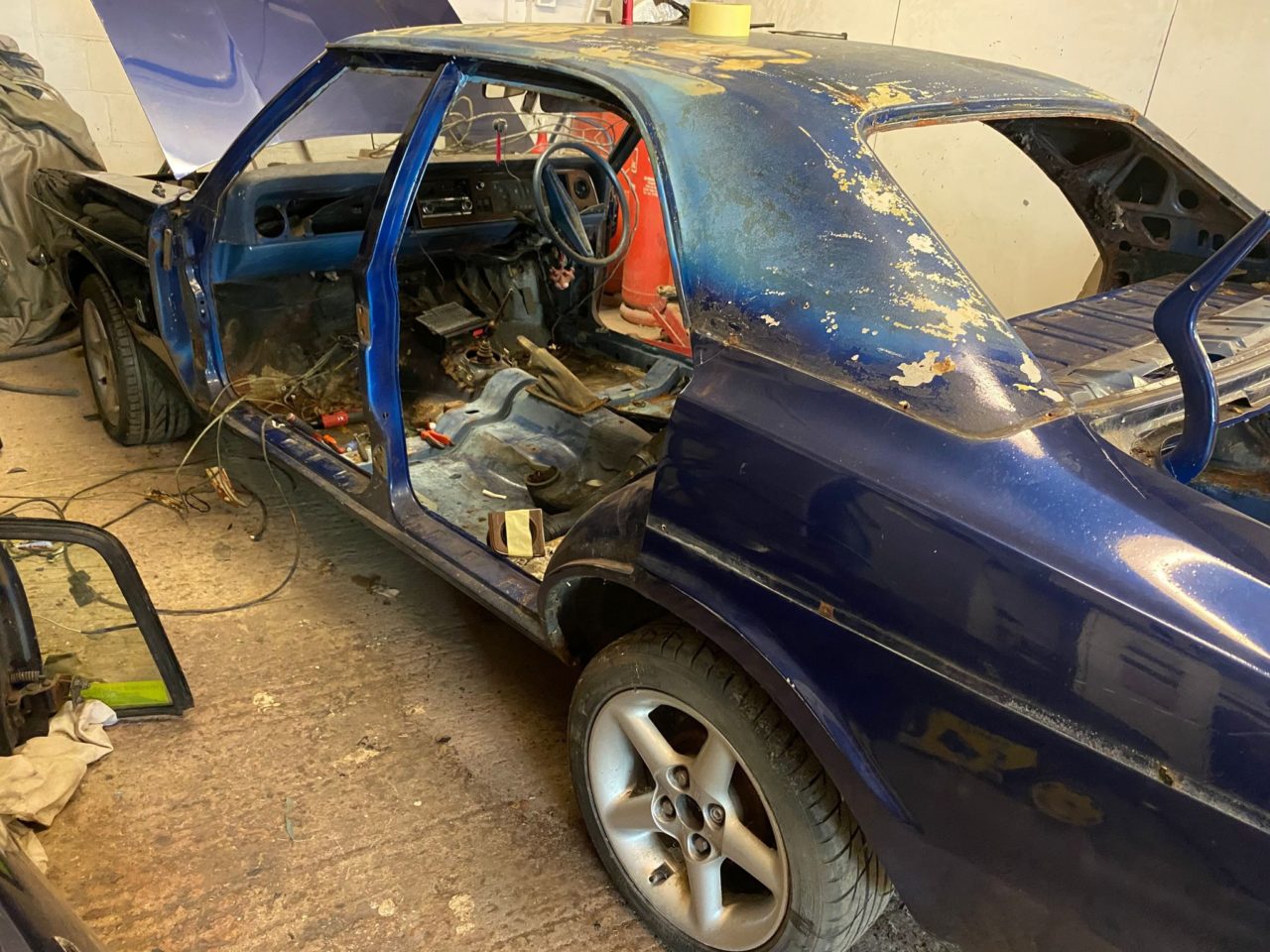
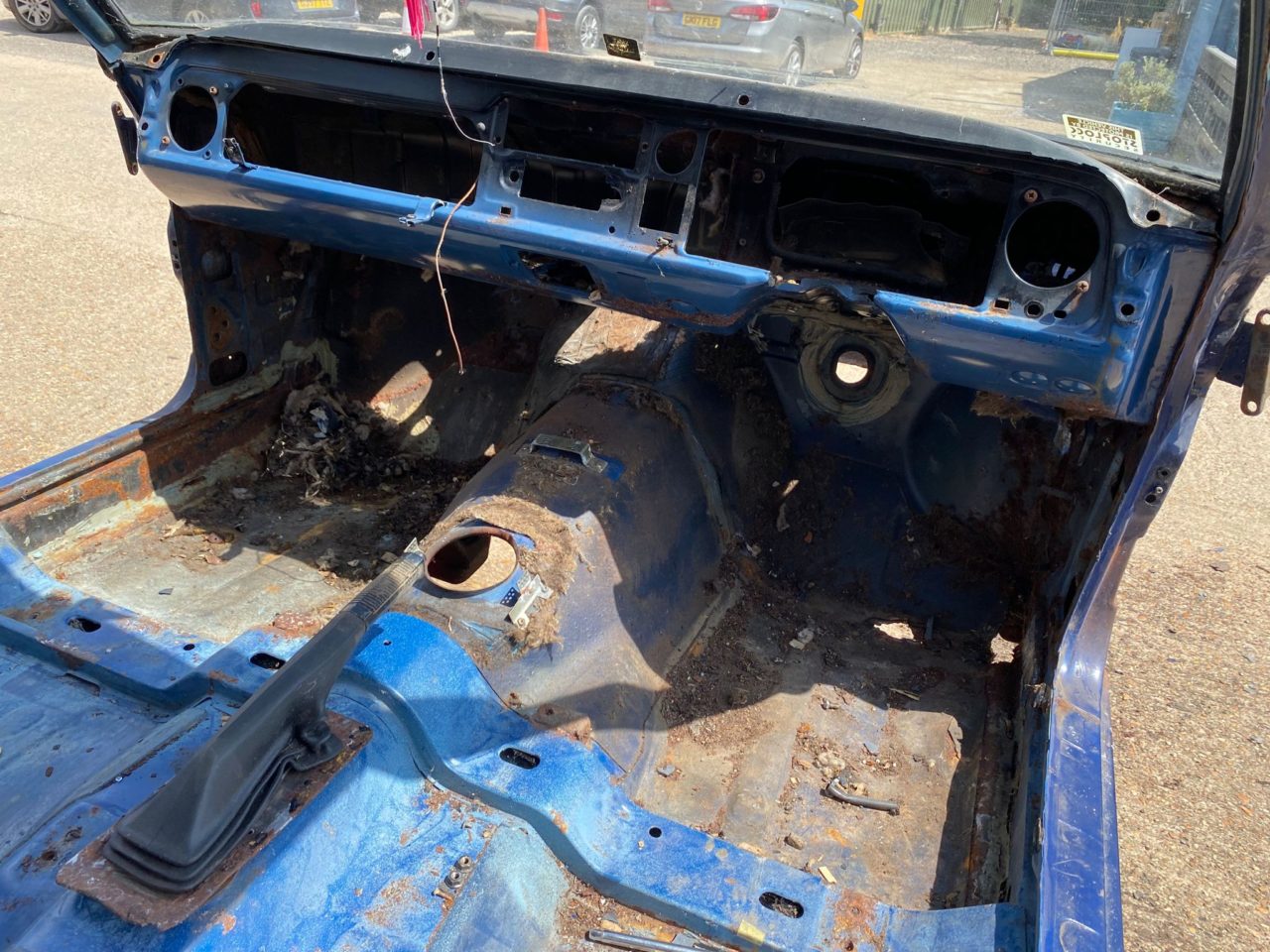
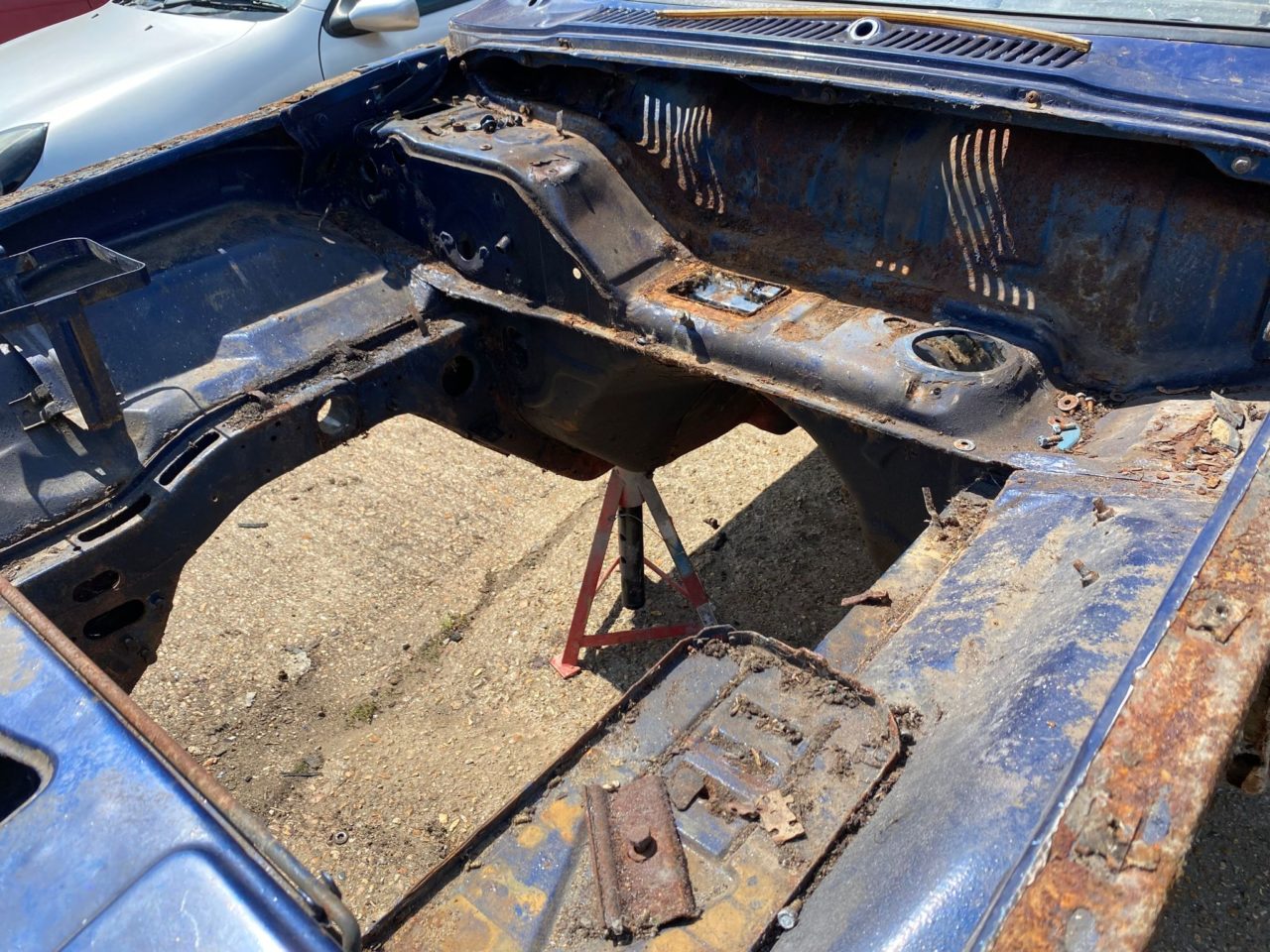
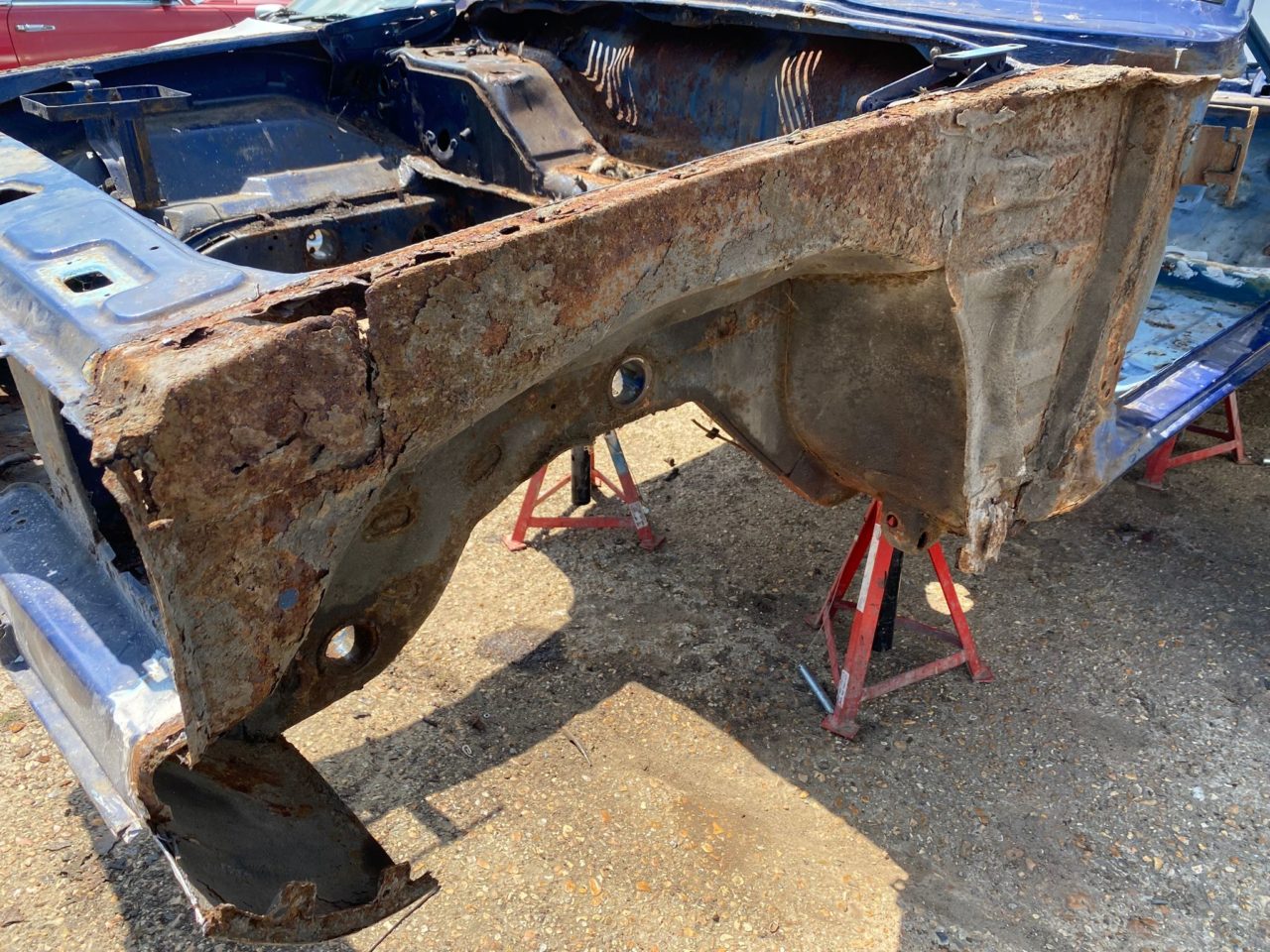
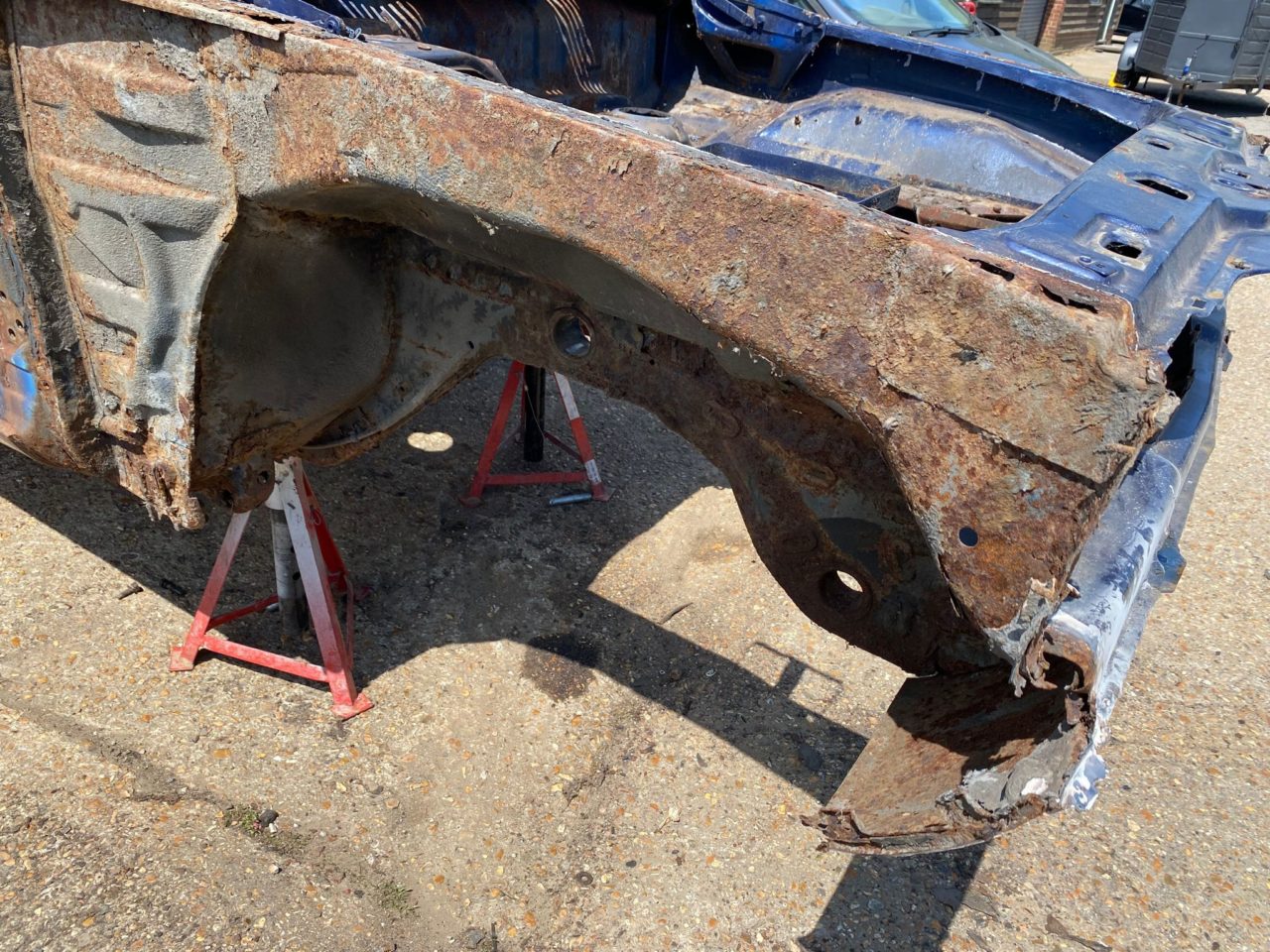
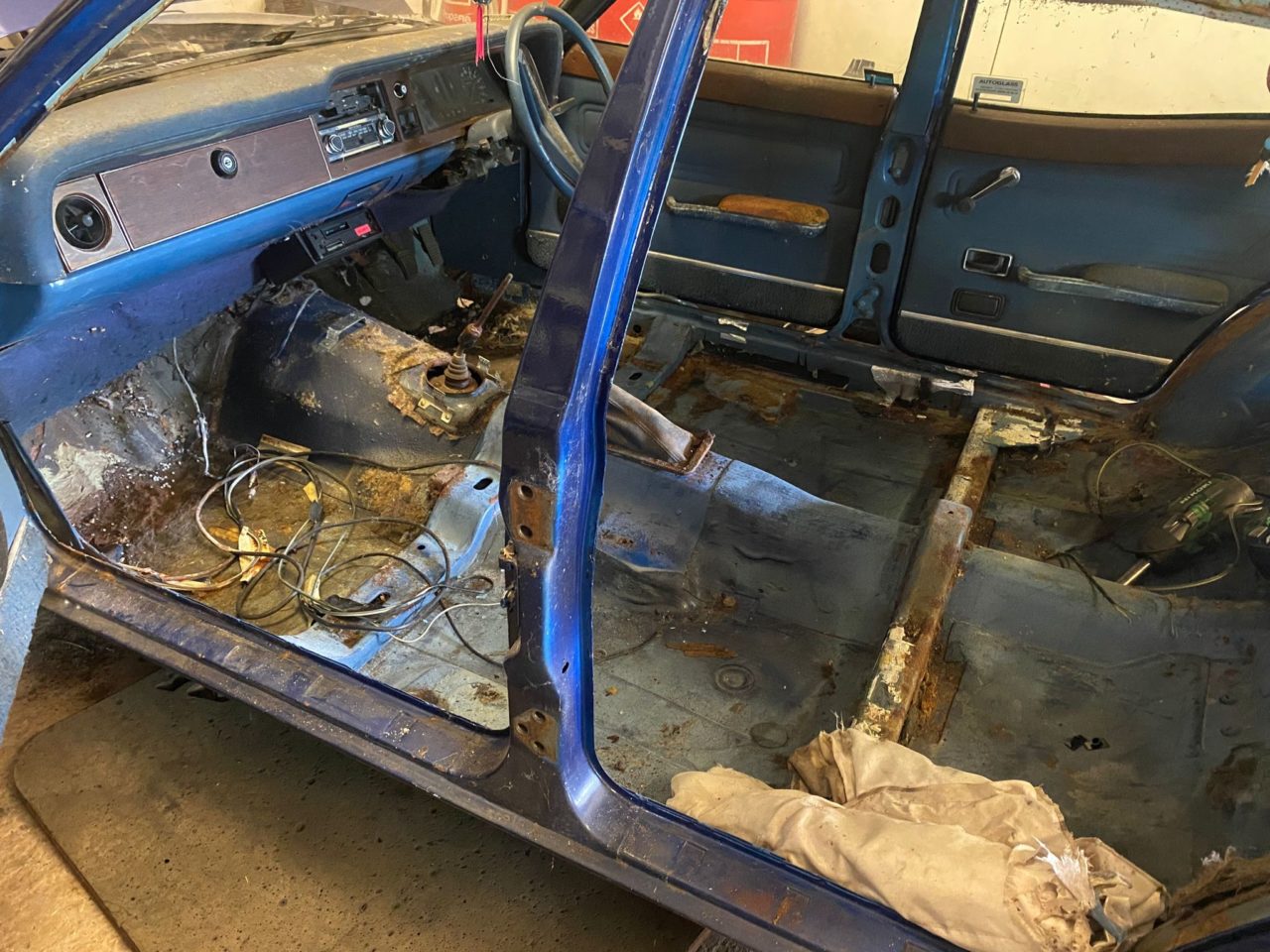
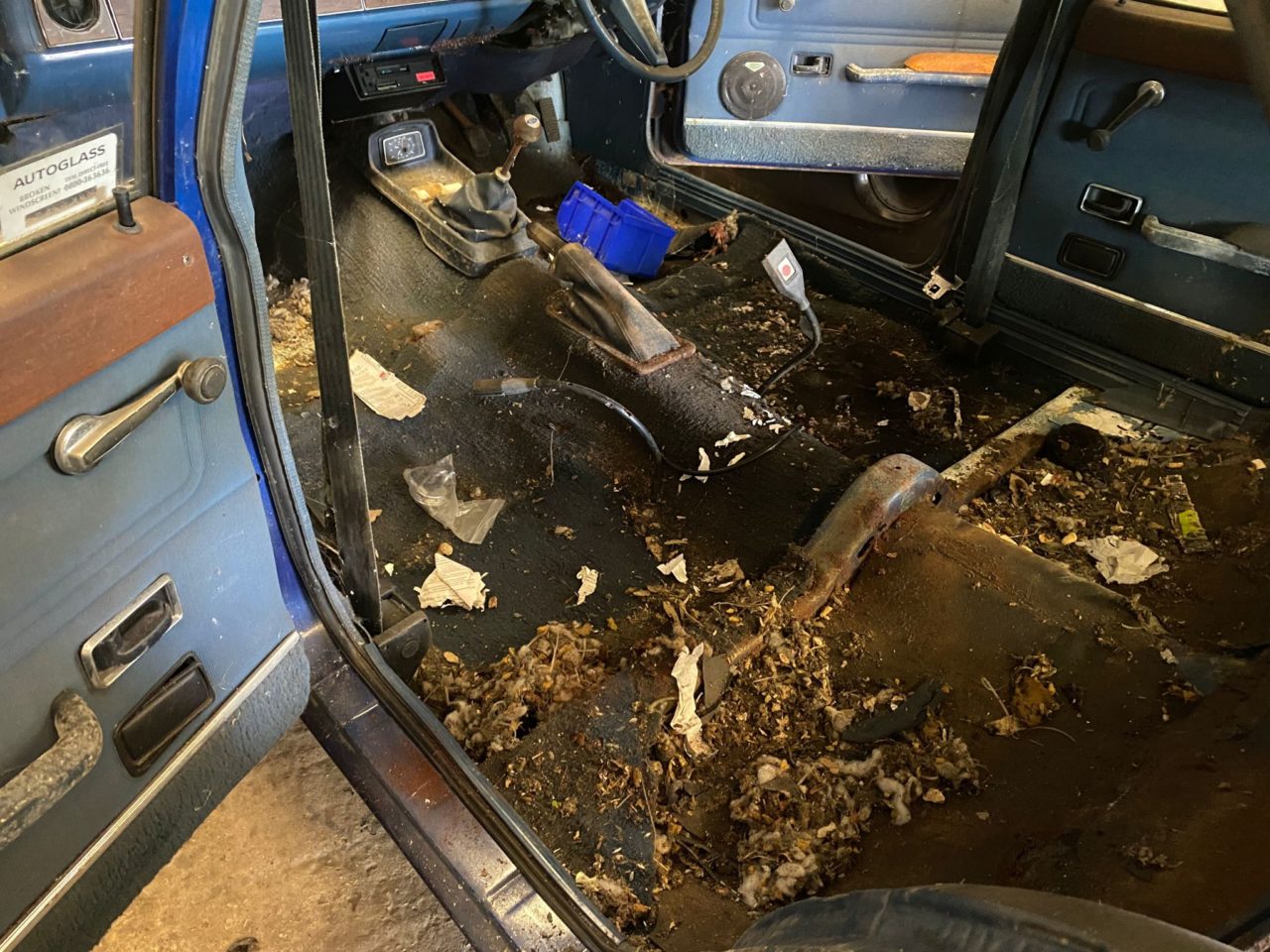
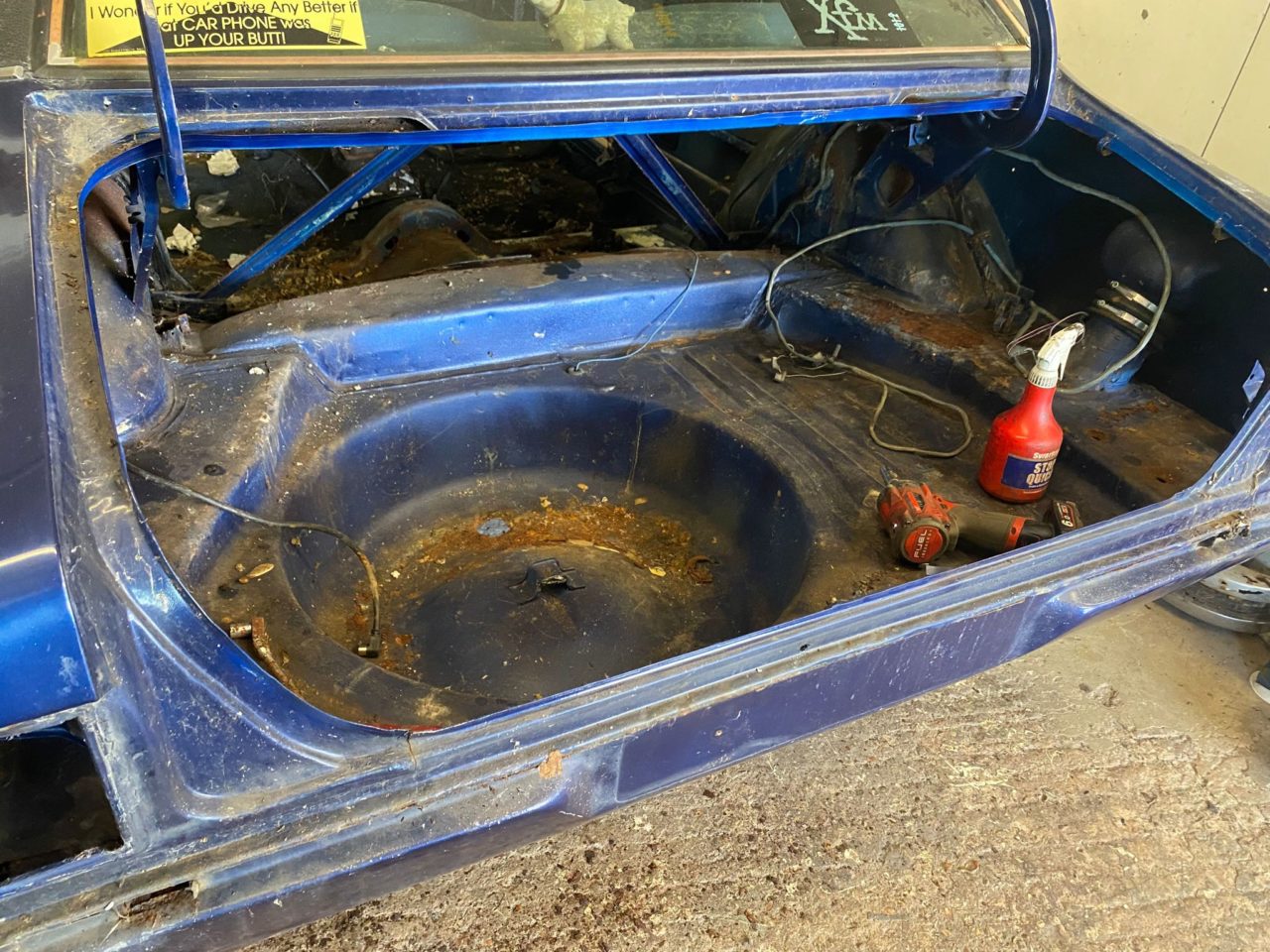
This Cortina is in for restoration and repair work, and like most cars of this age, the job is about understanding what is original, what has been repaired before, and what now needs proper attention. Older Fords were practical, usable cars, but they were not built with half a century of survival in mind. Time, damp storage, winter roads and previous repairs all leave their mark.
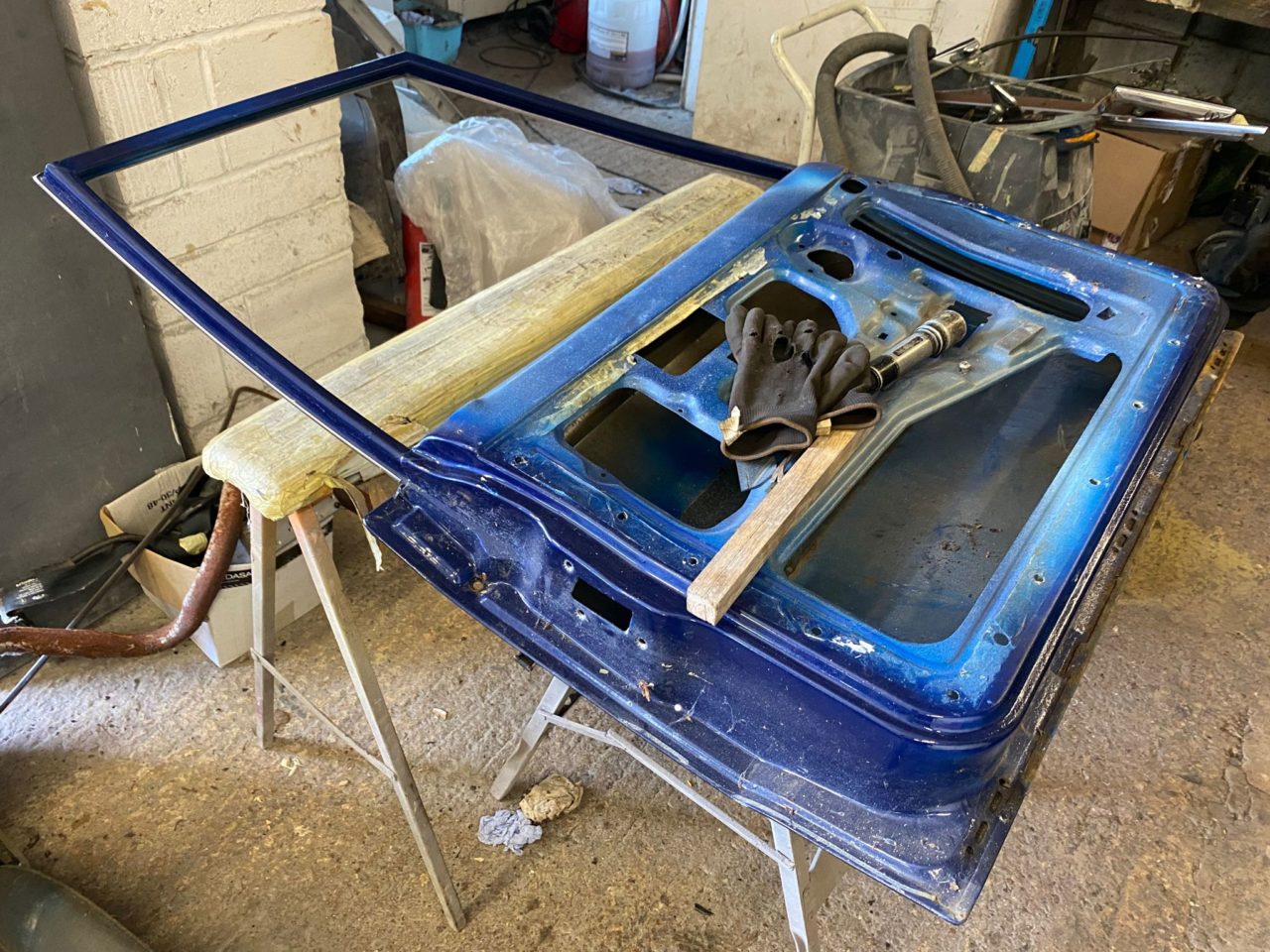
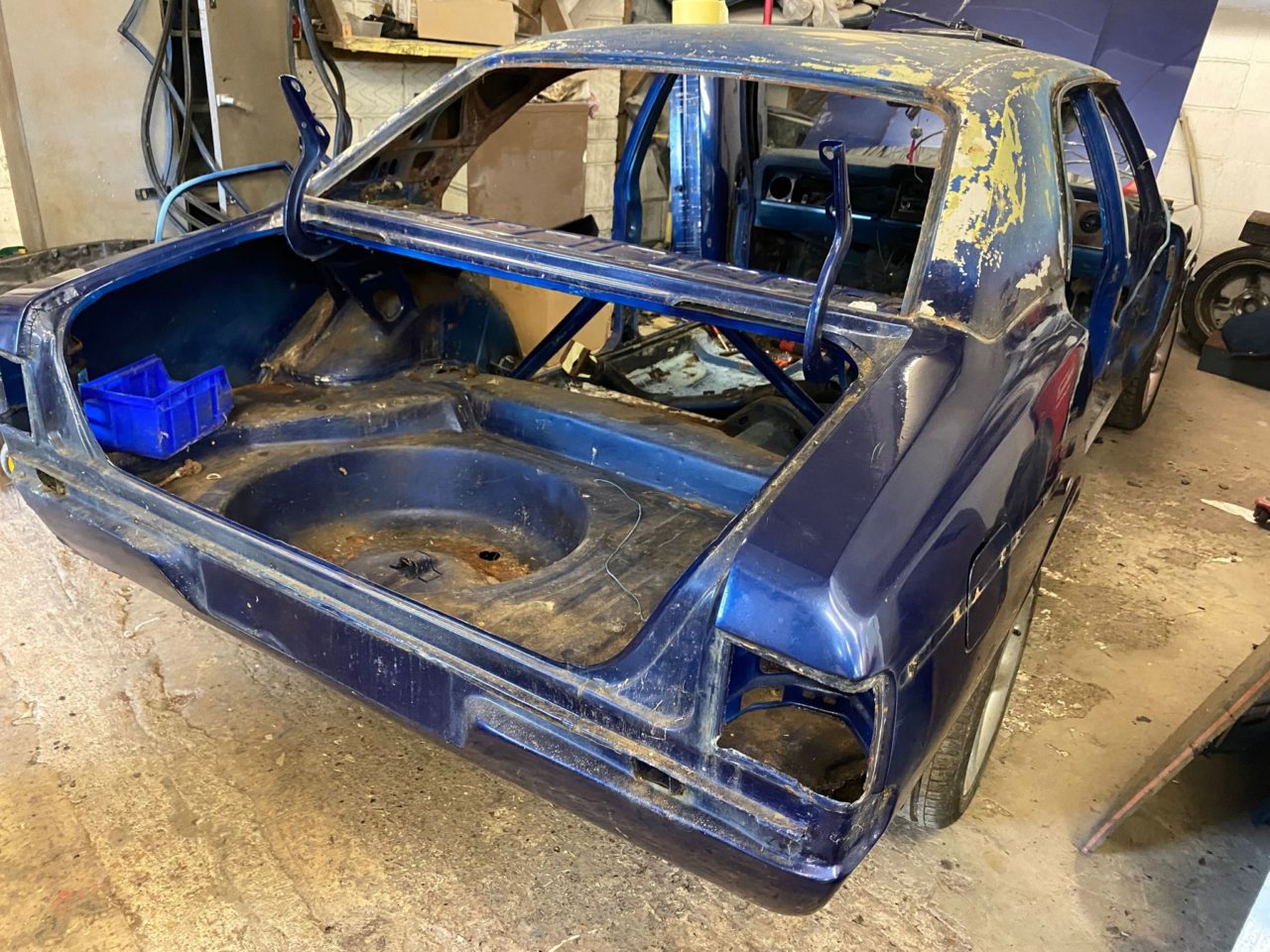
We often see corrosion in the usual Cortina areas: sills, wheel arches, lower wings, door bottoms, floor edges and valance sections. From the outside, a car can look fairly complete, but once trims are removed and suspect areas are opened up, the real condition becomes clearer. A small blister can hide weak metal behind it. A tidy-looking repair may have been covering older corrosion for years.
At White’s Bodyworks in Hassocks, West Sussex, restoration work like this begins with careful assessment. There is no point rushing to the cosmetic stage before the structure and bodywork are understood. Any compromised metal needs to be cut back to sound material, repaired properly, and protected so the problem does not return too quickly.
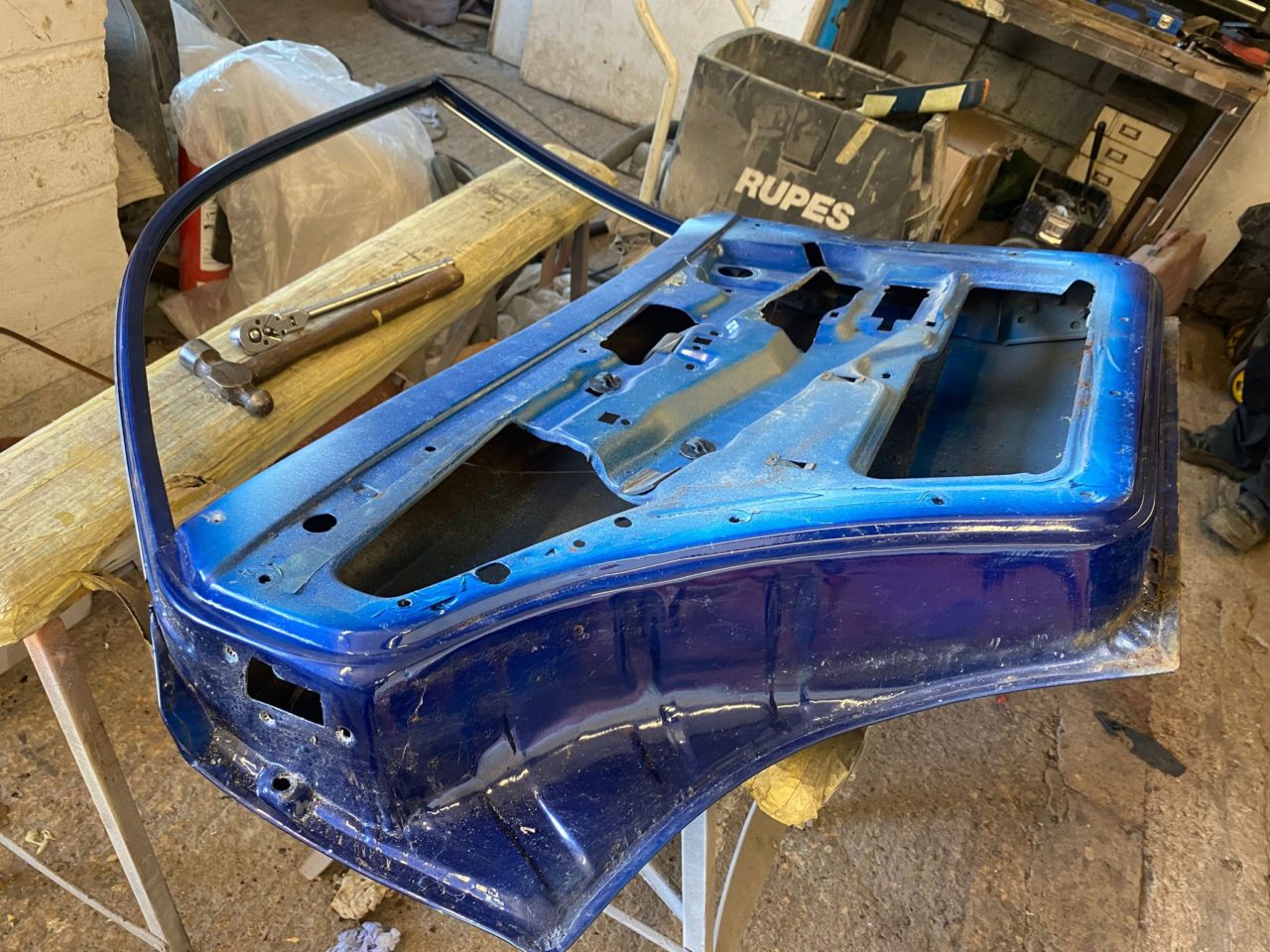
Panel fit also matters on a Mk3 Cortina. The lines are not complicated, but they are long enough that poor repairs show up easily. Door gaps, arch profiles, sill lines and lower panels all need to sit correctly if the finished car is going to look right. Heavy-handed work can spoil the shape, while under-repairing simply stores up trouble for later.
The aim with this car is not to turn it into something over-polished or unlike itself. Cortinas were everyday cars, and that is a big part of their charm. A good restoration should make the car solid, presentable and usable while keeping that straightforward character intact.
This Mk3 Cortina is still in progress, but the direction is clear: repair what needs repairing, preserve what can sensibly be preserved, and give the car a proper foundation for the next stage of its life.
Cars like this deserve careful work. They may once have been ordinary, but ordinary cars often become the rarest survivors.