The Mini is one of those cars that almost everyone recognises, even if they’ve never driven one. Compact, clever and unmistakably British, the Mini changed small car design when it first appeared in 1959. Front-wheel drive, transverse engine, wheels pushed to the corners. It made the most of every inch.
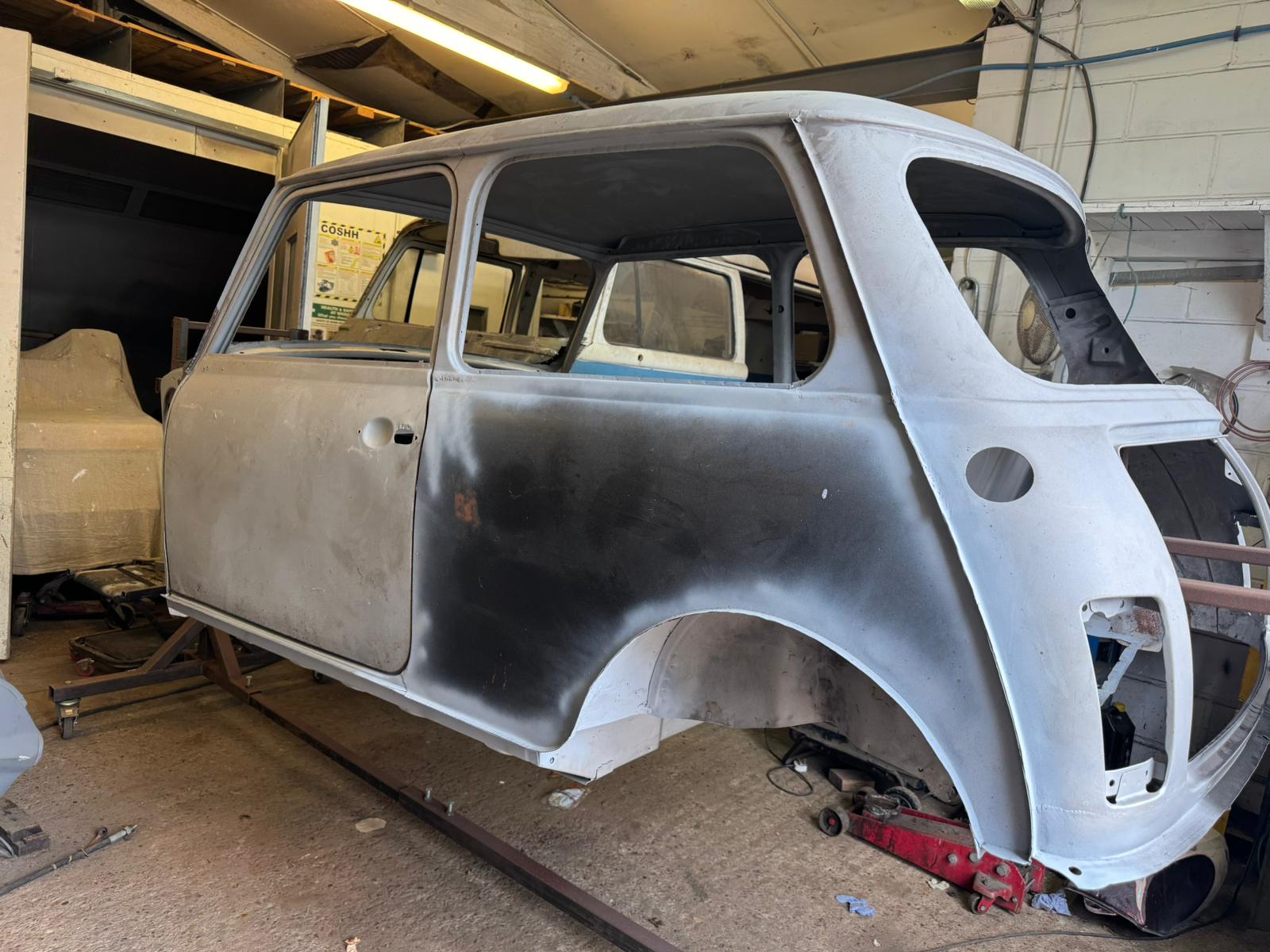
But Minis have always lived hard lives. They’re small, light and often used daily. That combination means stone chips, parking knocks and corrosion are common, especially on older examples. This one came in for a full respray and body repairs, not because it was beyond saving, but because years of minor damage and ageing paint had finally caught up with it.
Minis are deceptively simple from the outside. Flat panels, small size, straightforward lines. In practice, they’re not as quick to prepare as people think. Panel edges, seams, rain channels and tight shut lines demand care. We often see Minis that have had cosmetic paintwork in the past, with poor preparation. That tends to show up later as bubbling, sink marks or visible repair lines.
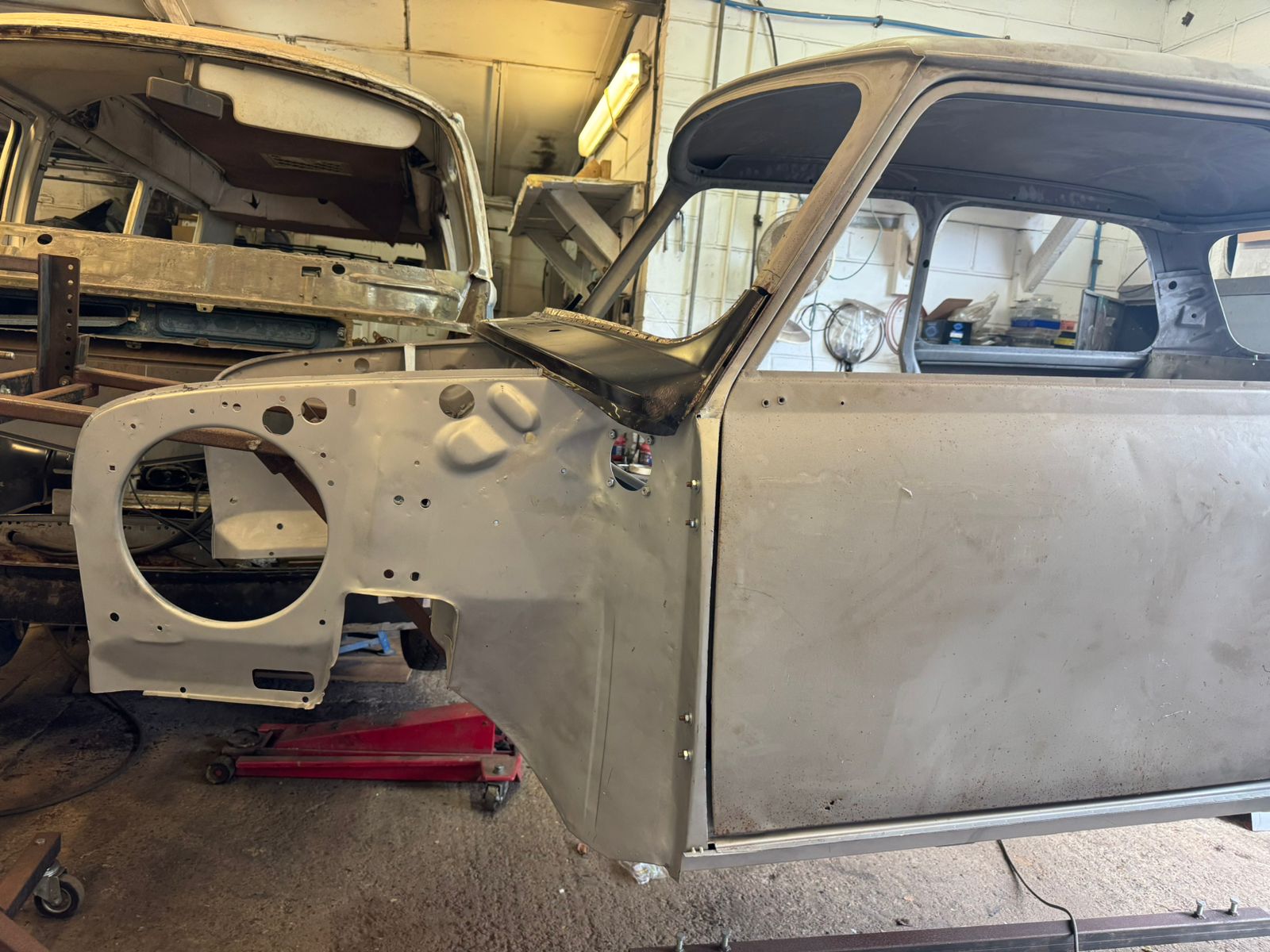
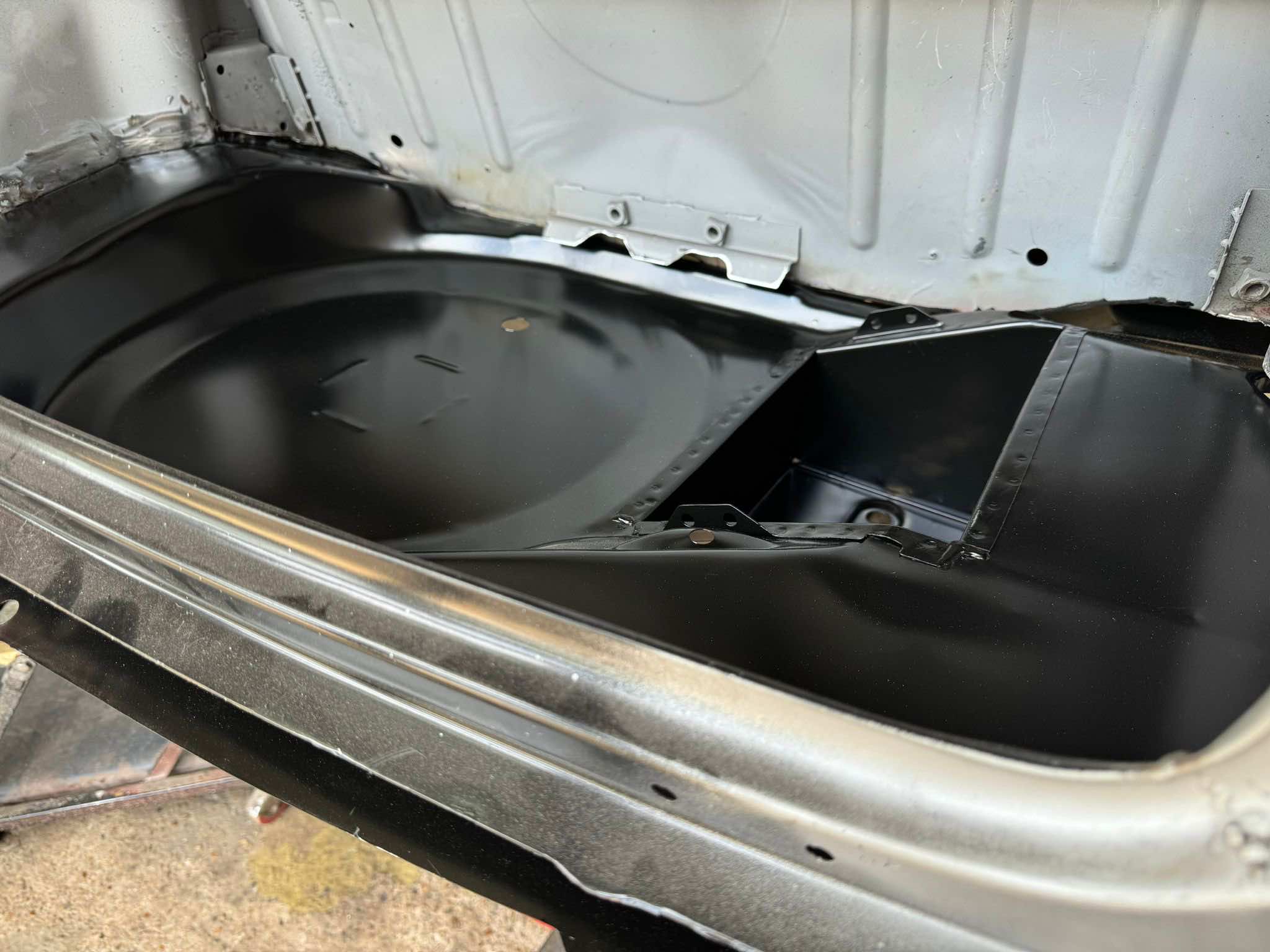
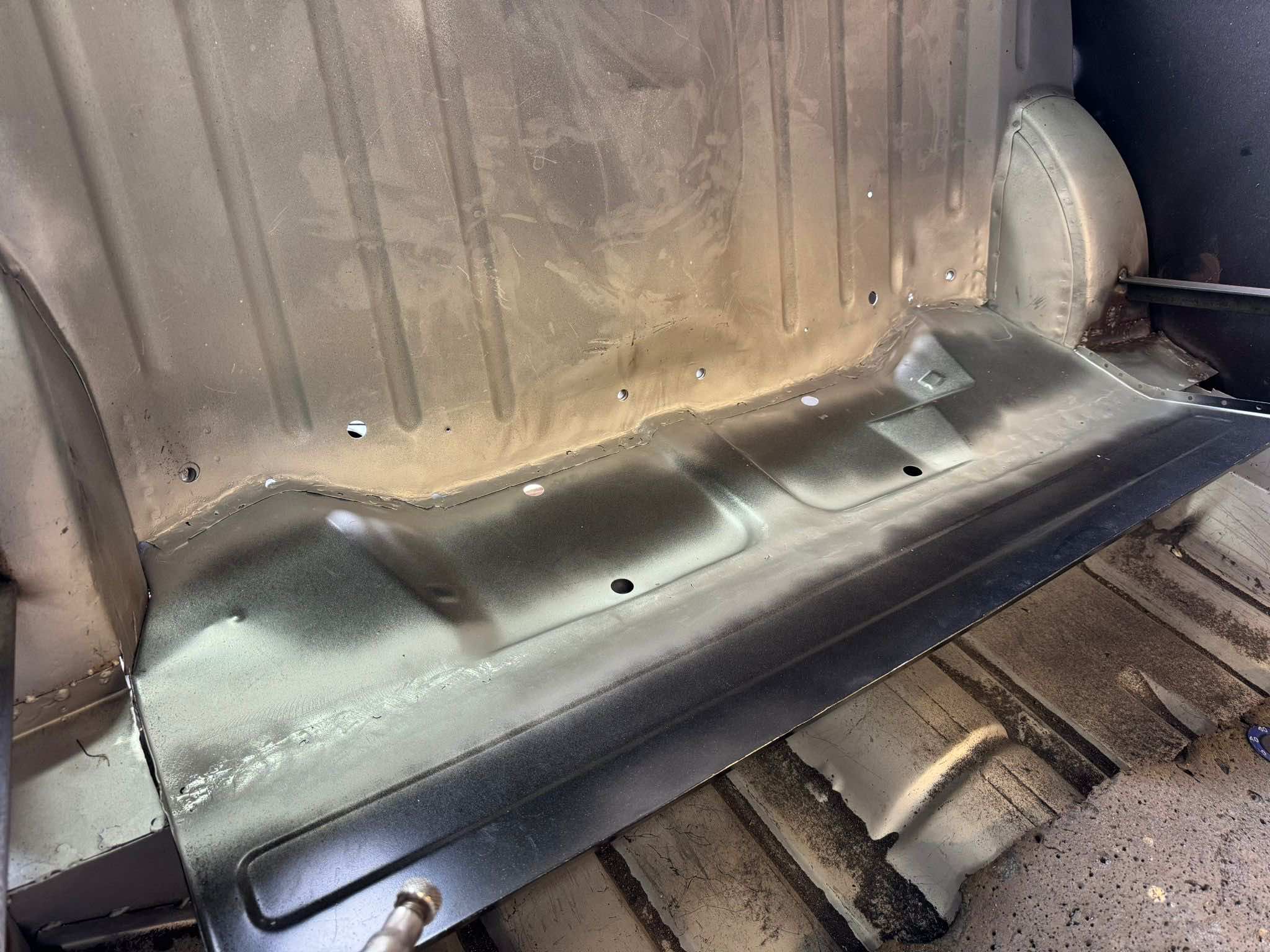
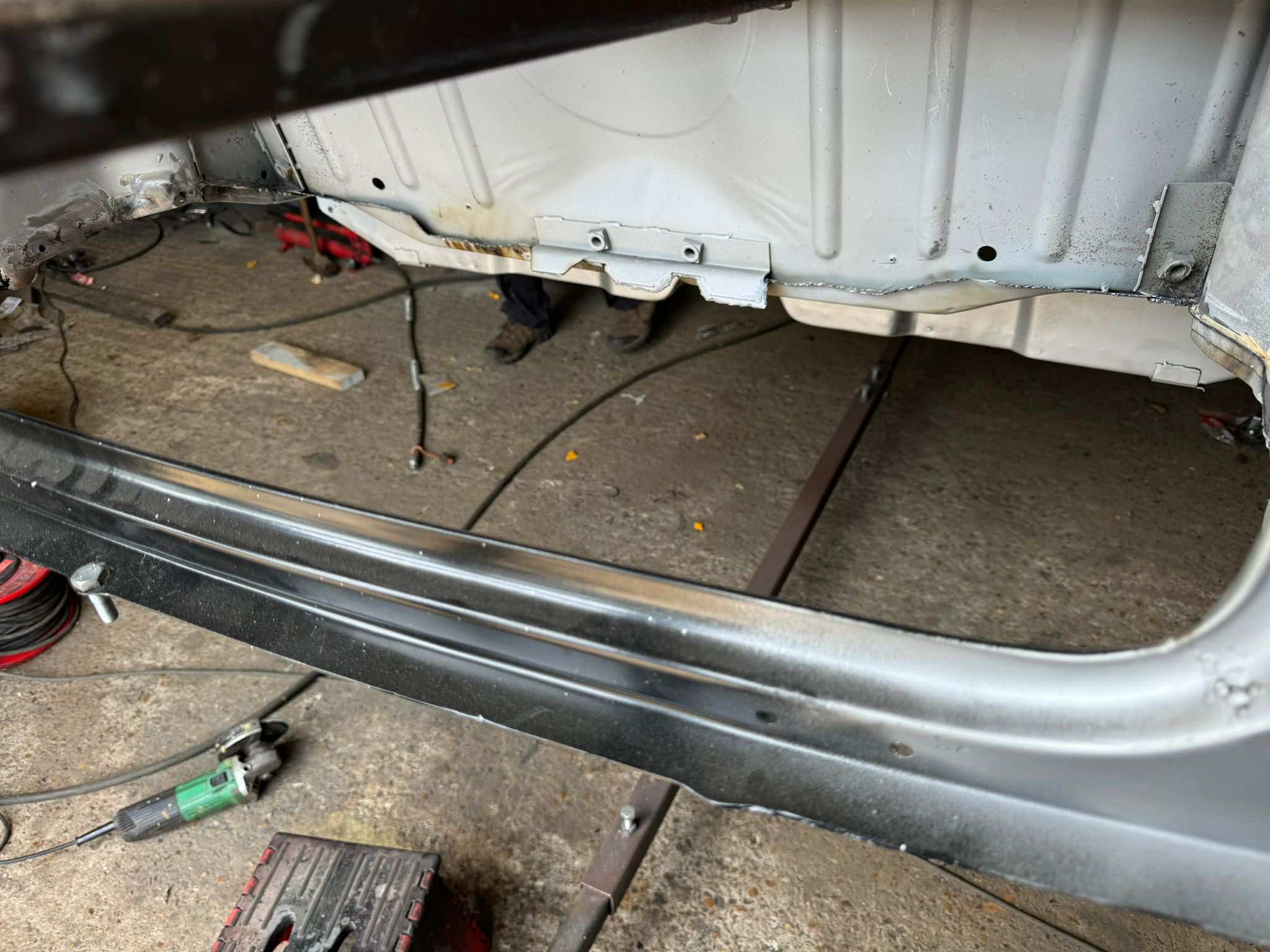
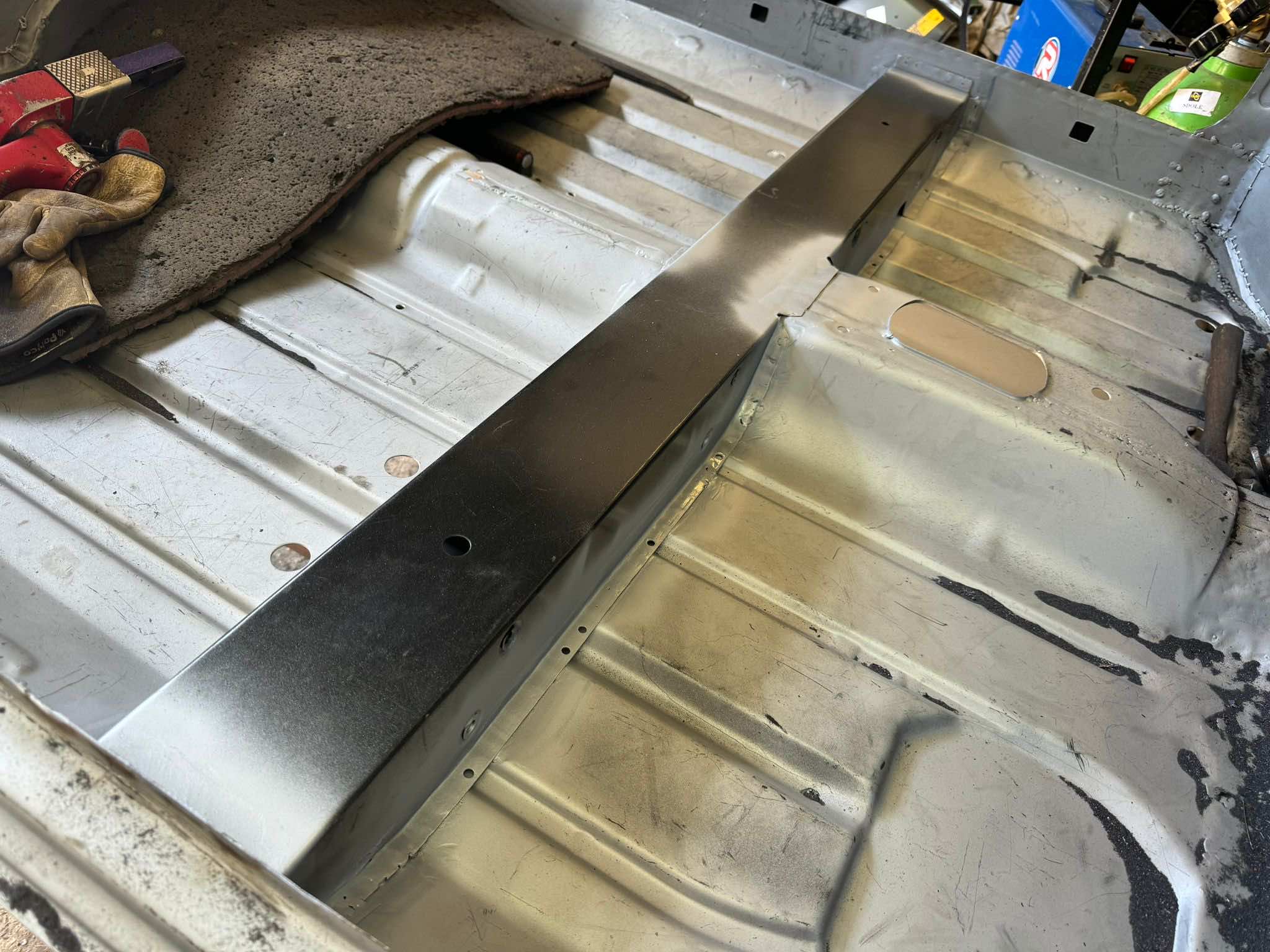
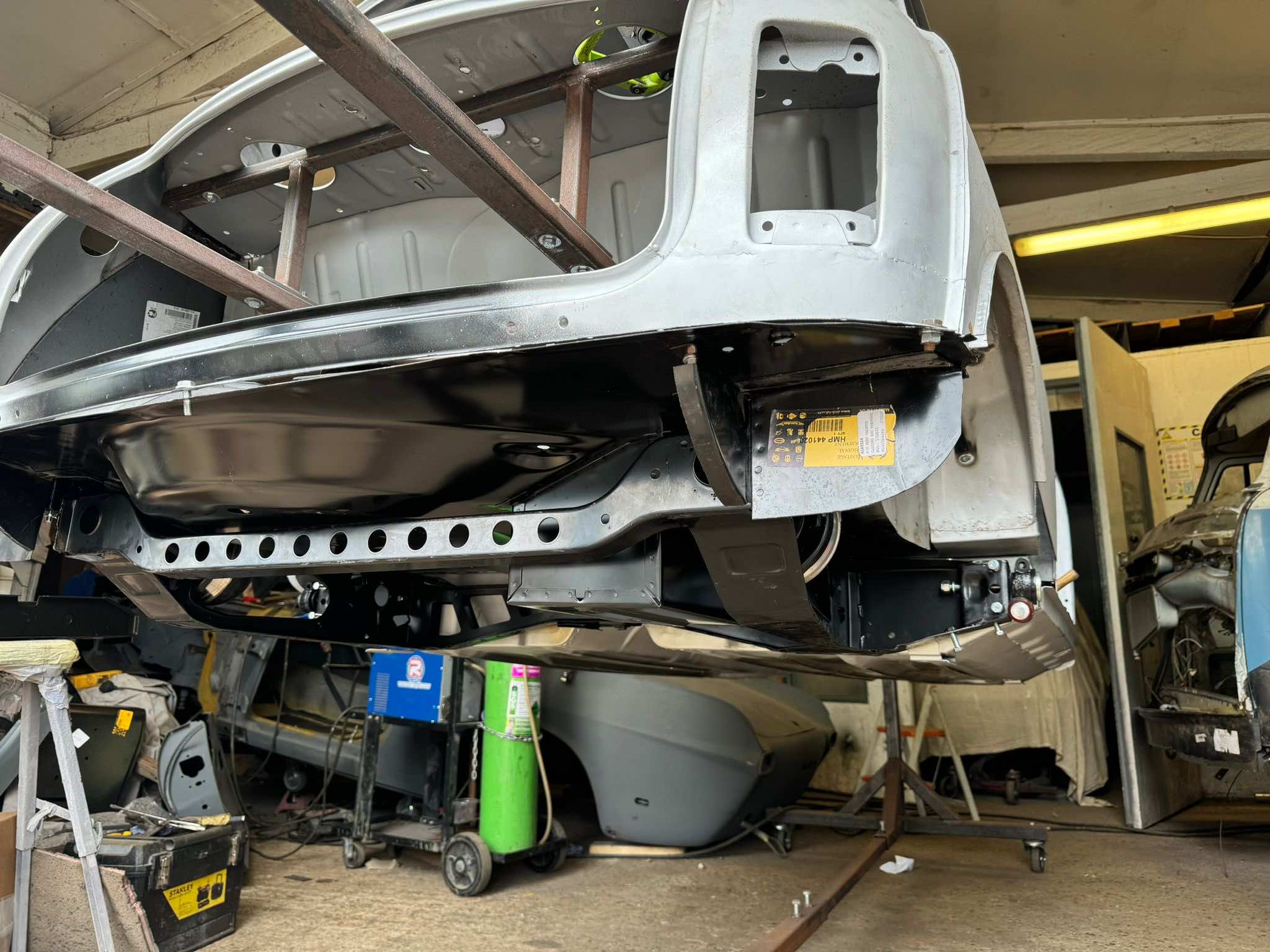
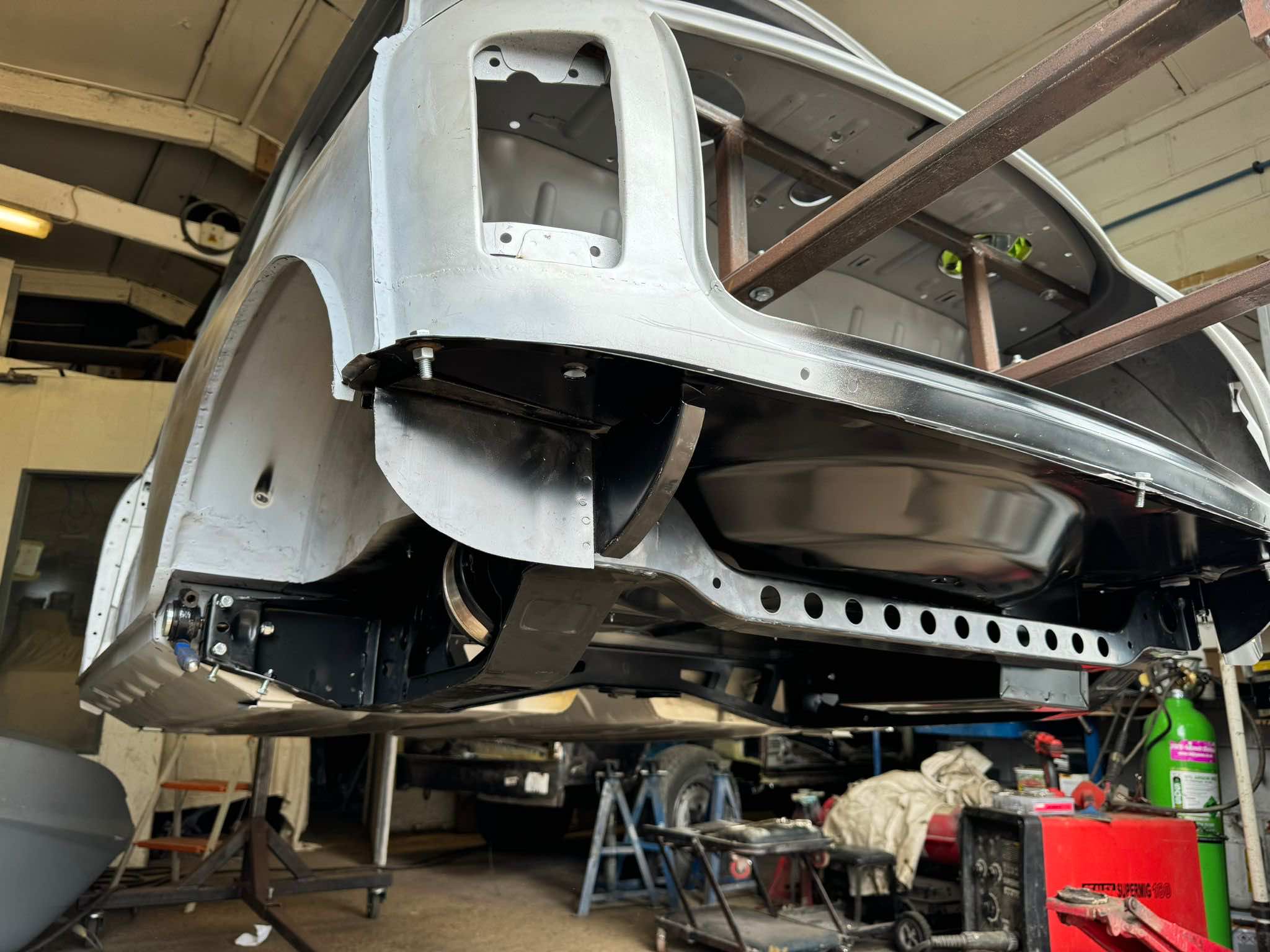
Before any paint is applied to the car, body repairs must be addressed properly. Corrosion around arches, door bottoms and lower panels is common. Small areas can hide more significant issues underneath. There’s no point applying fresh paint over compromised metal. It only delays the inevitable.
At White’s Bodyworks, a full respray starts long before colour is mixed. Panels are inspected carefully, damaged sections repaired correctly, and surfaces prepared methodically. Preparation takes time, and on a Mini, that time is well spent. Because the panels are so visible and the car sits low, imperfections are easy to spot once it’s back in daylight.
In practice, getting a Mini right is about proportion and detail. Shut lines need to be even. Trim needs to sit correctly. The finish has to suit the car's character. Over-restoring a Mini can strip away some of its charm. On the other hand, cutting corners in prep work is obvious almost immediately.
A full respray gives a car like this a new lease of life. It doesn’t change what it is. It simply restores clarity to the lines and protects the metal beneath. Minis respond well to that attention. When the paintwork is sharp, and the body is solid, the whole car feels tighter and more complete.
This project is a good example of how even familiar classics benefit from proper, careful bodywork. The Mini may be small, but doing the job properly still requires patience, experience and an understanding of how these cars were built in the first place.