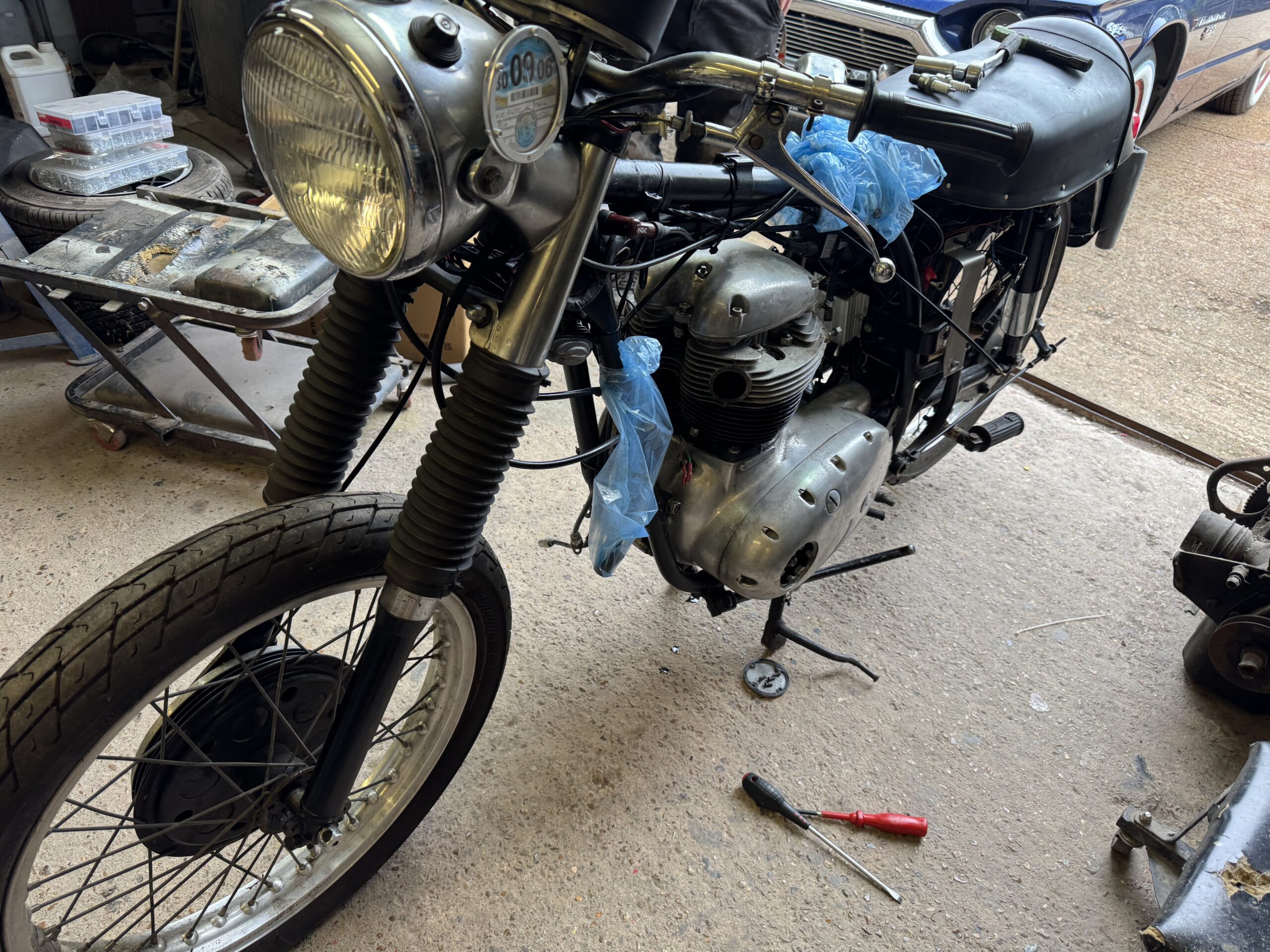
The BSA A65 represents a very different chapter in British motorcycling to the lightweight Bantam. Bigger, heavier and far more powerful, the A65 was BSA’s answer to riders who wanted proper performance and long-distance ability without stepping into full-blown touring territory. Produced in various forms from the early 1960s, it became one of the most recognisable British twins of the era.
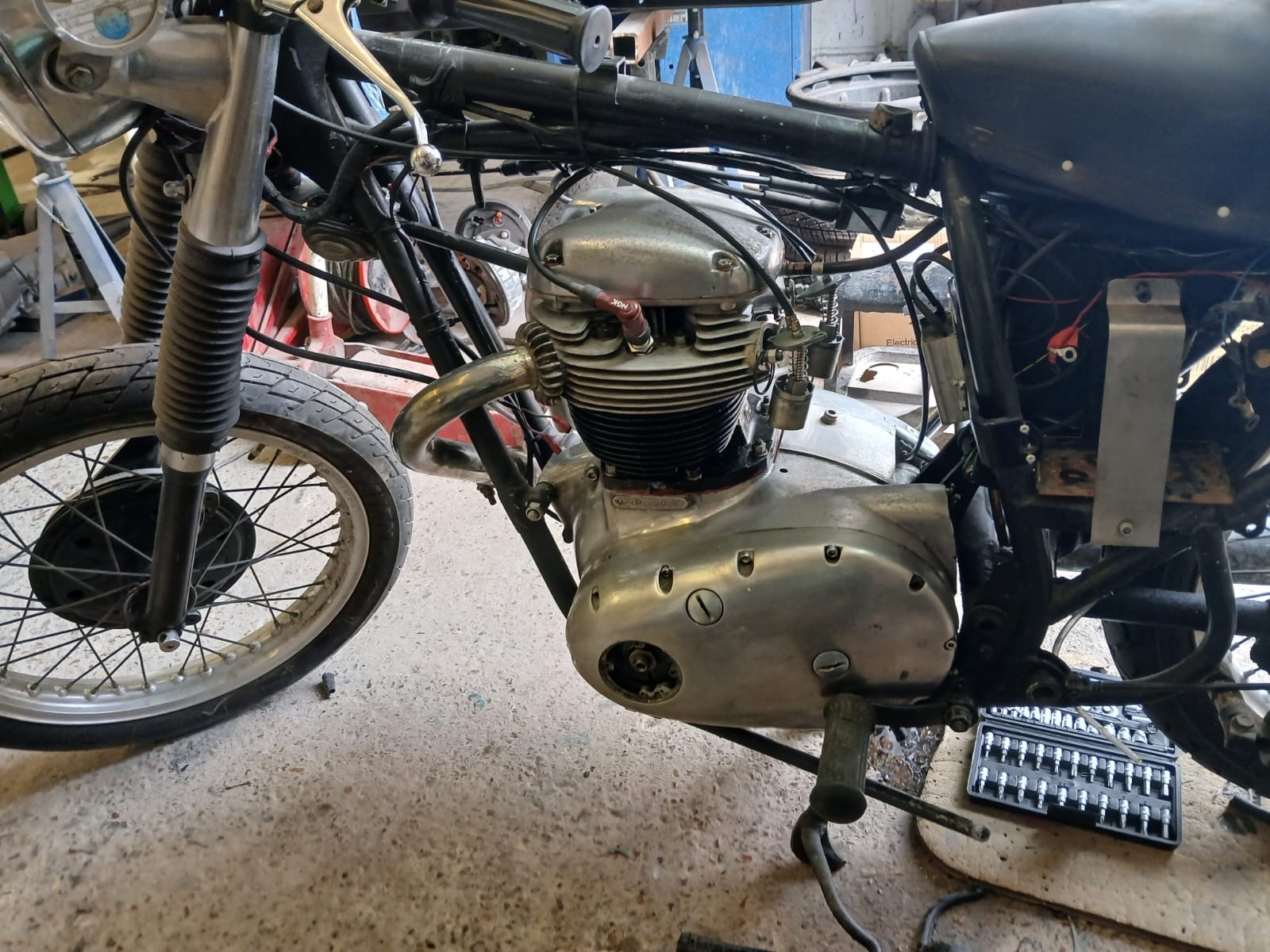
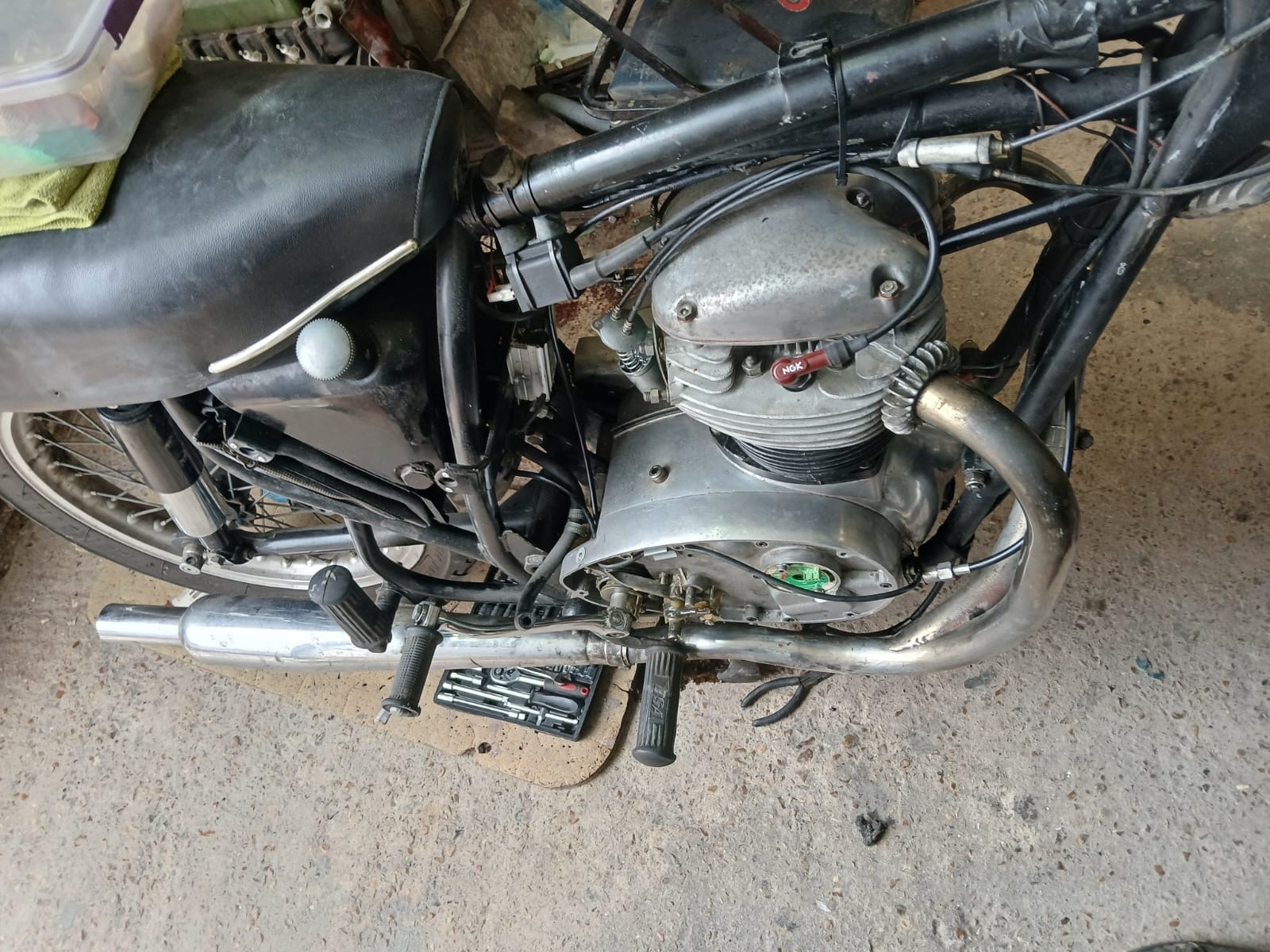
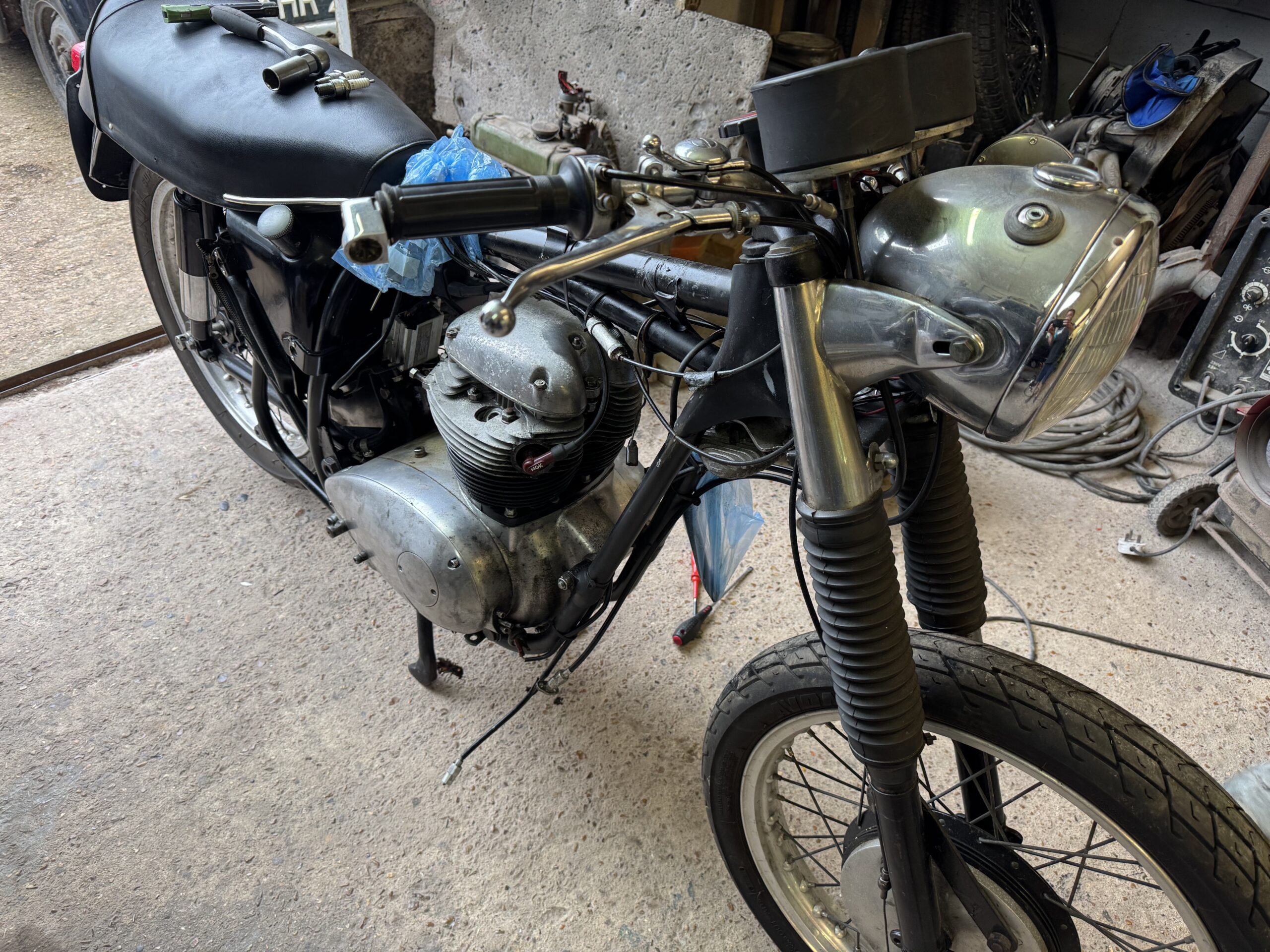
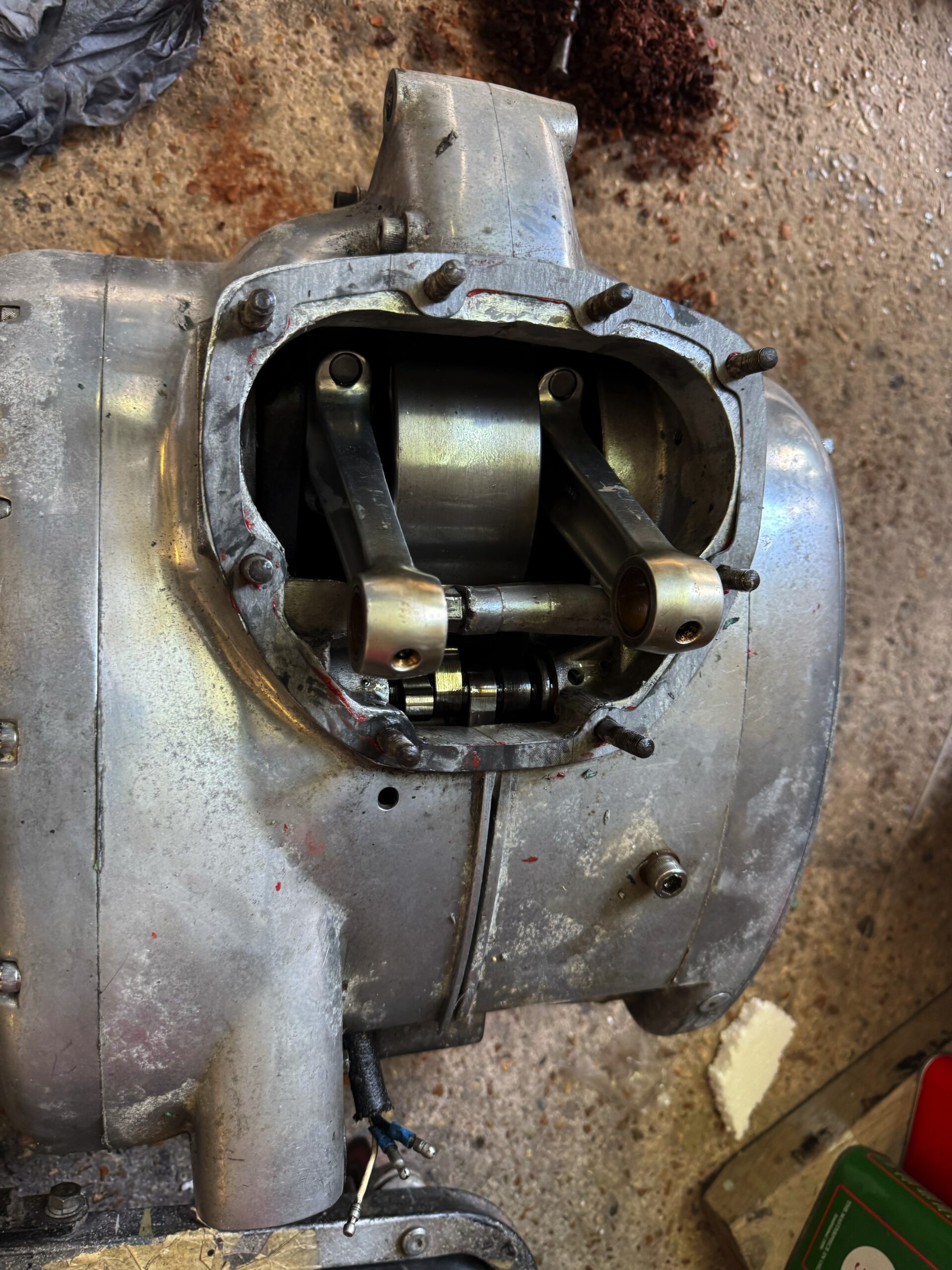
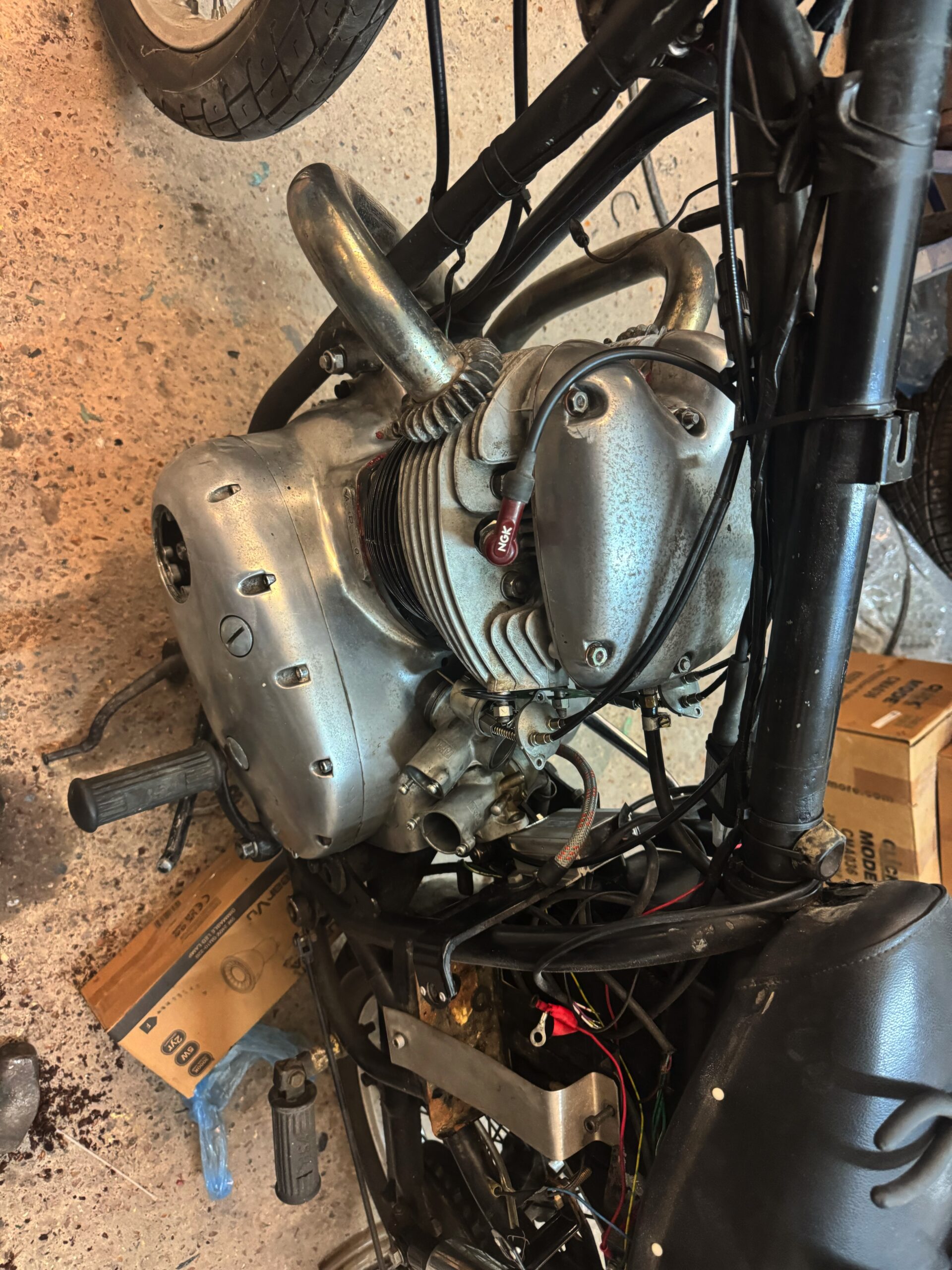
This particular A65 arrived as a non-runner, which is often where the most honest restoration work begins. Non-running bikes don’t hide much. There’s no illusion created by a fresh battery or a warm engine. If it doesn’t start, there’s always a reason, and in practice there’s usually more than one.
Most people don’t realise how tolerant these engines were when new. They would run with worn components, tired ignition systems and marginal oil pressure, right up until they wouldn’t. By the time a bike like this stops running altogether, wear has usually built up across several systems rather than one dramatic failure.
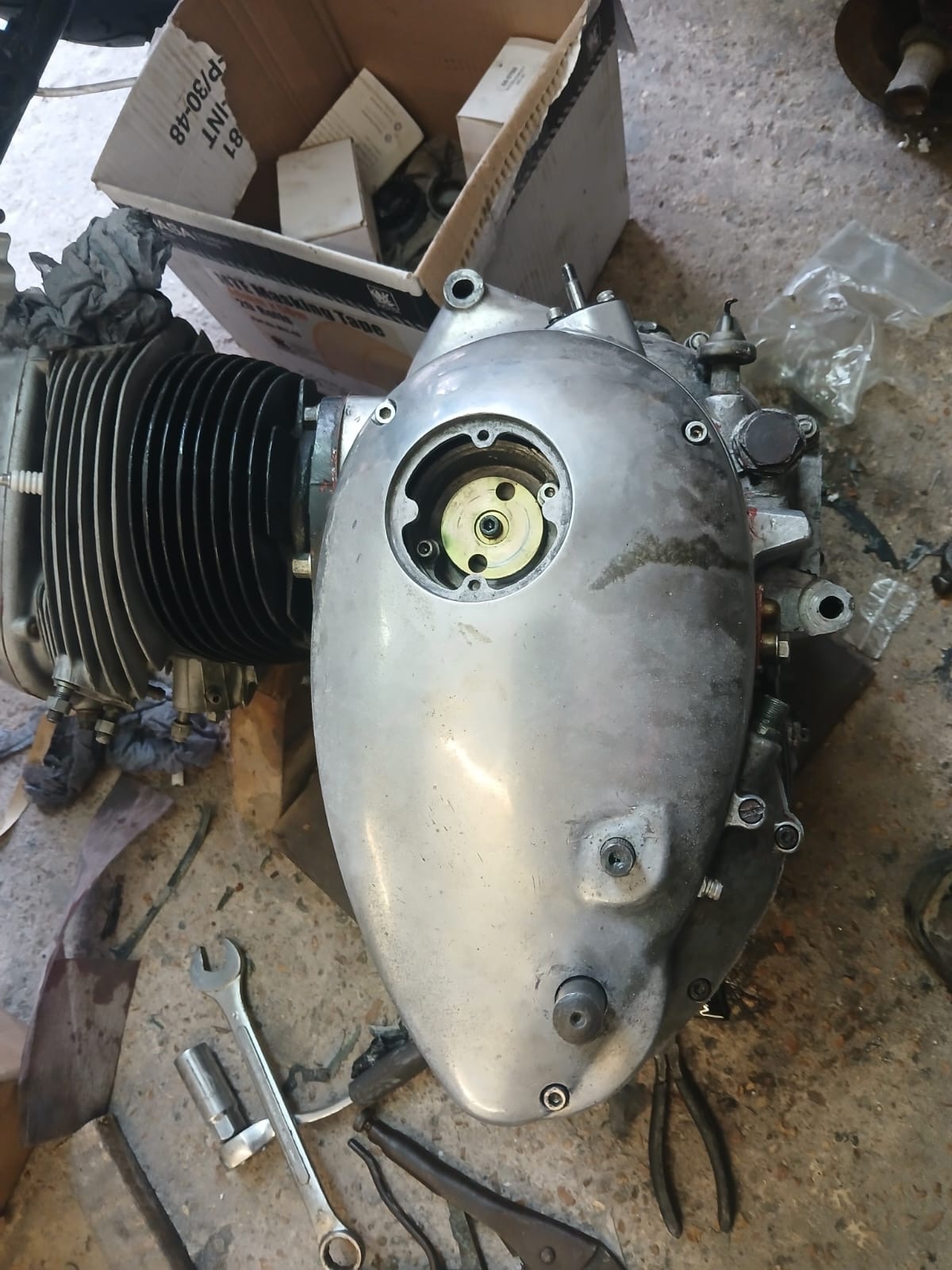
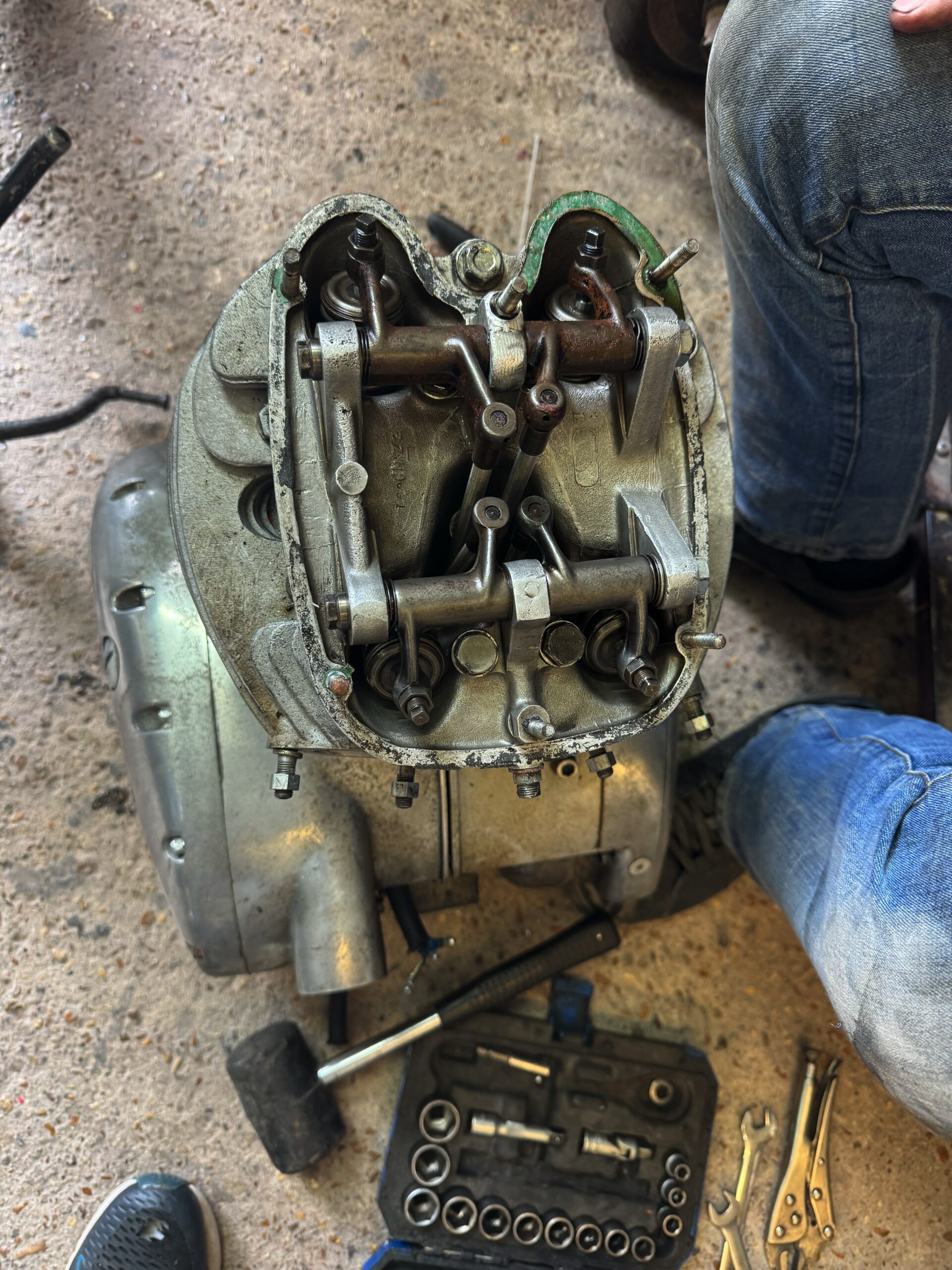
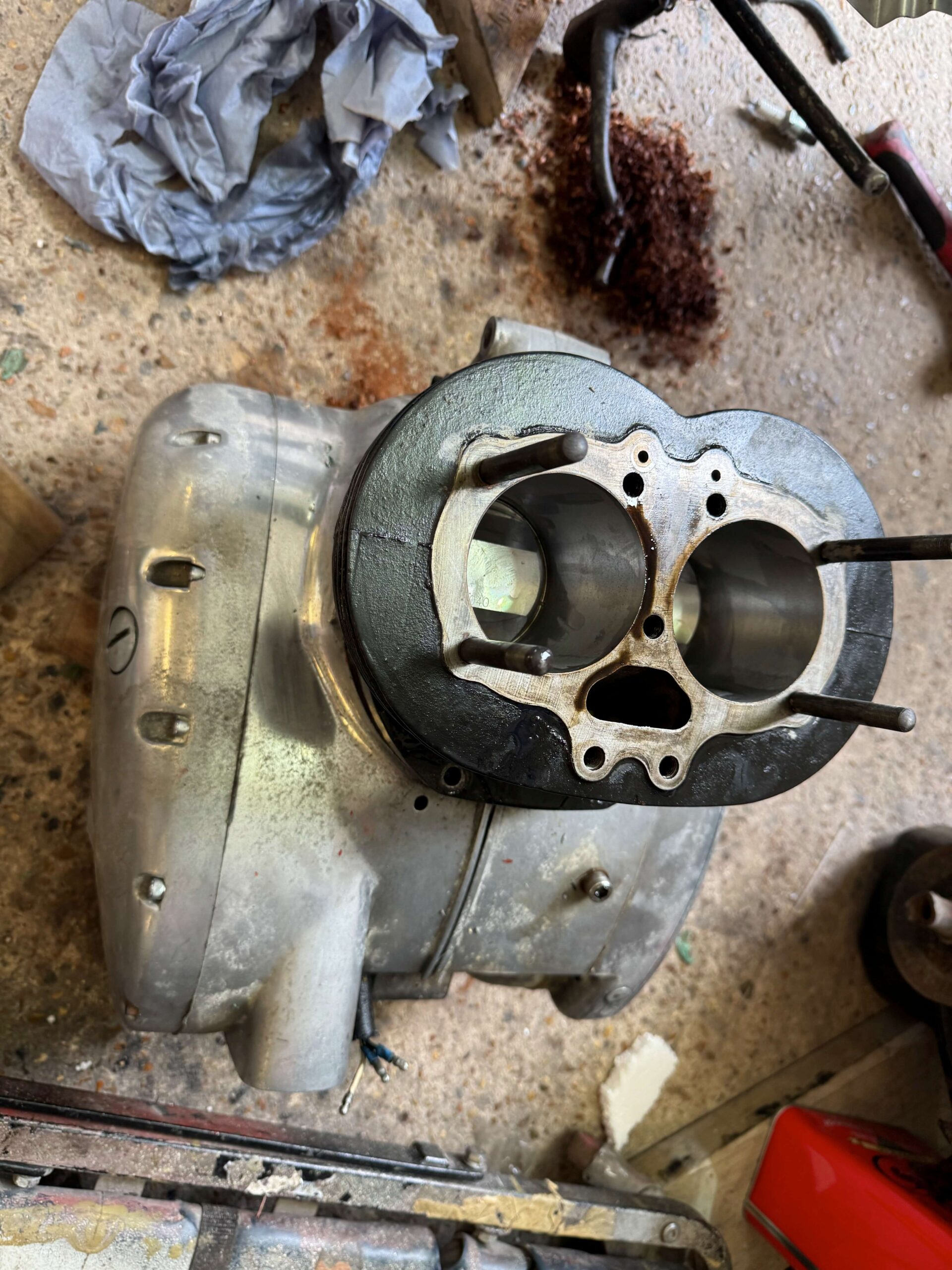
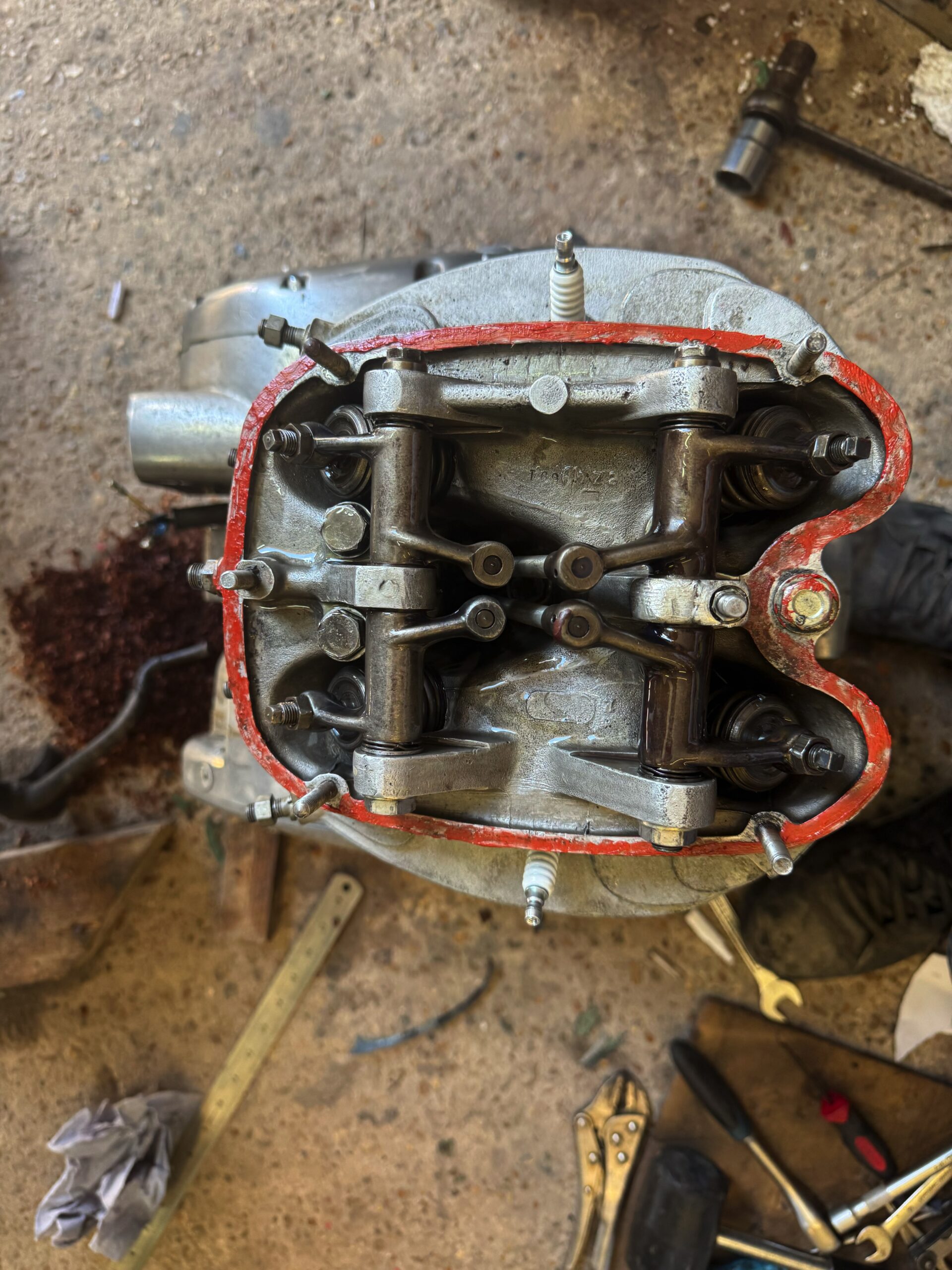
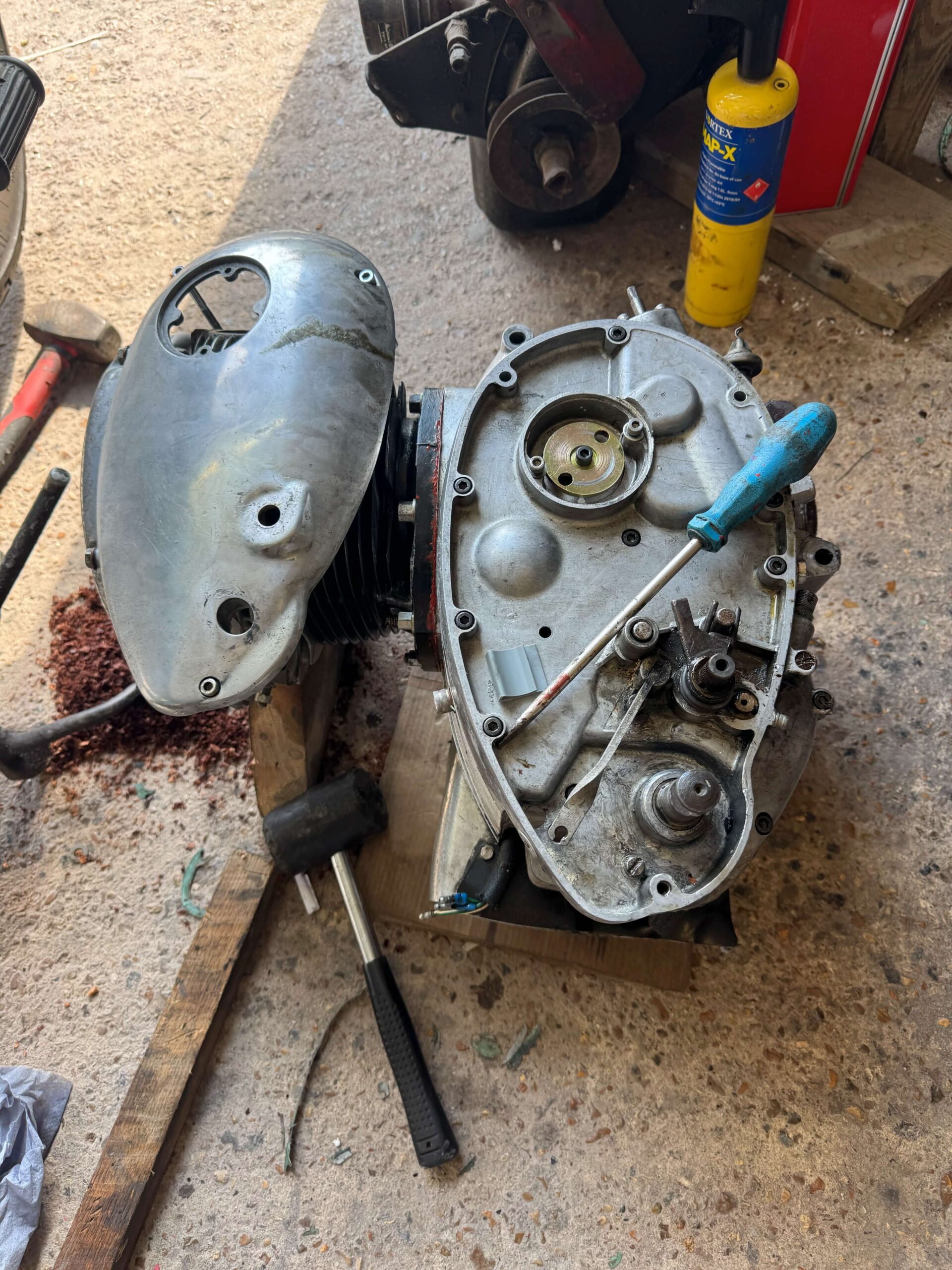
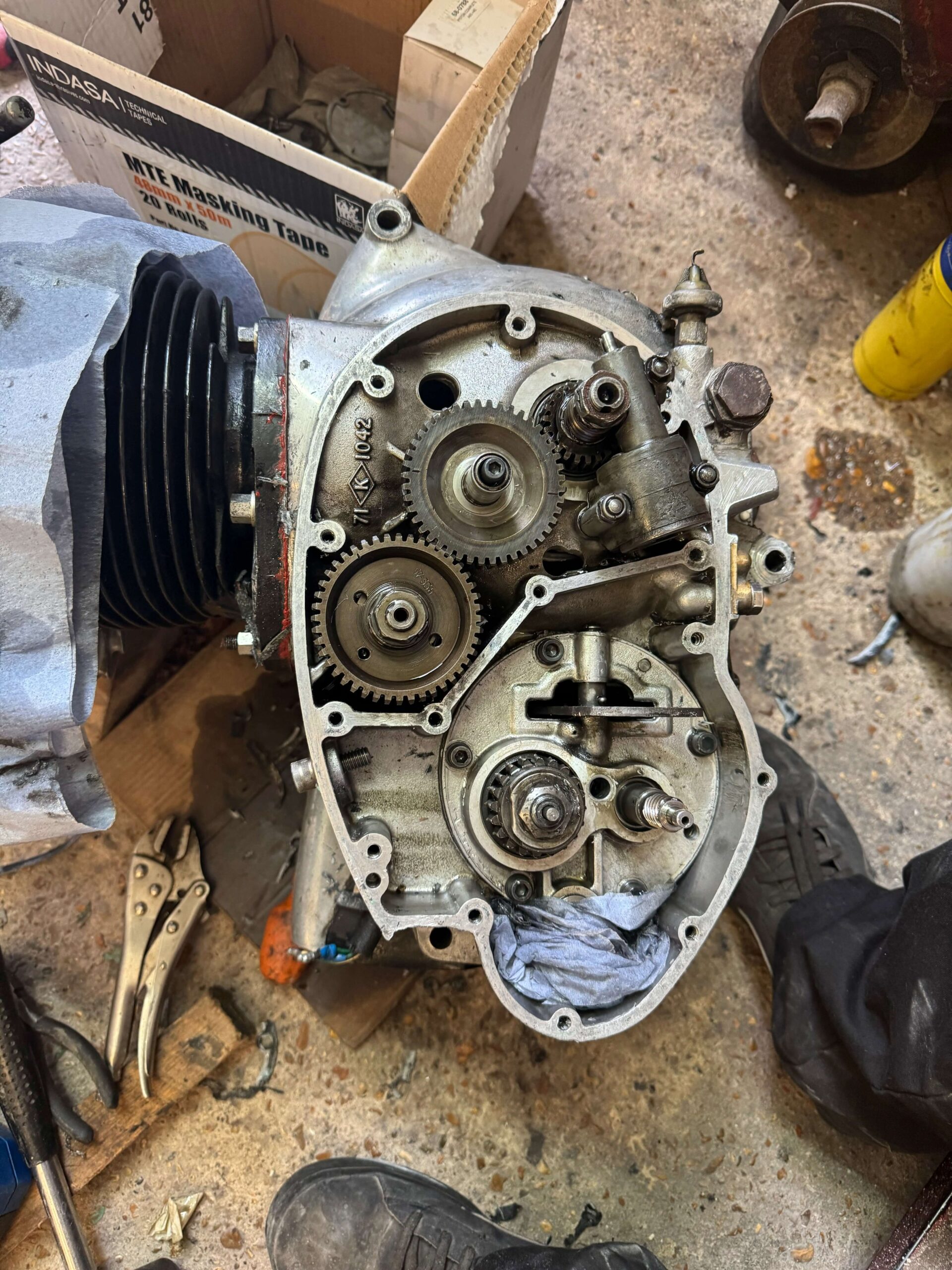
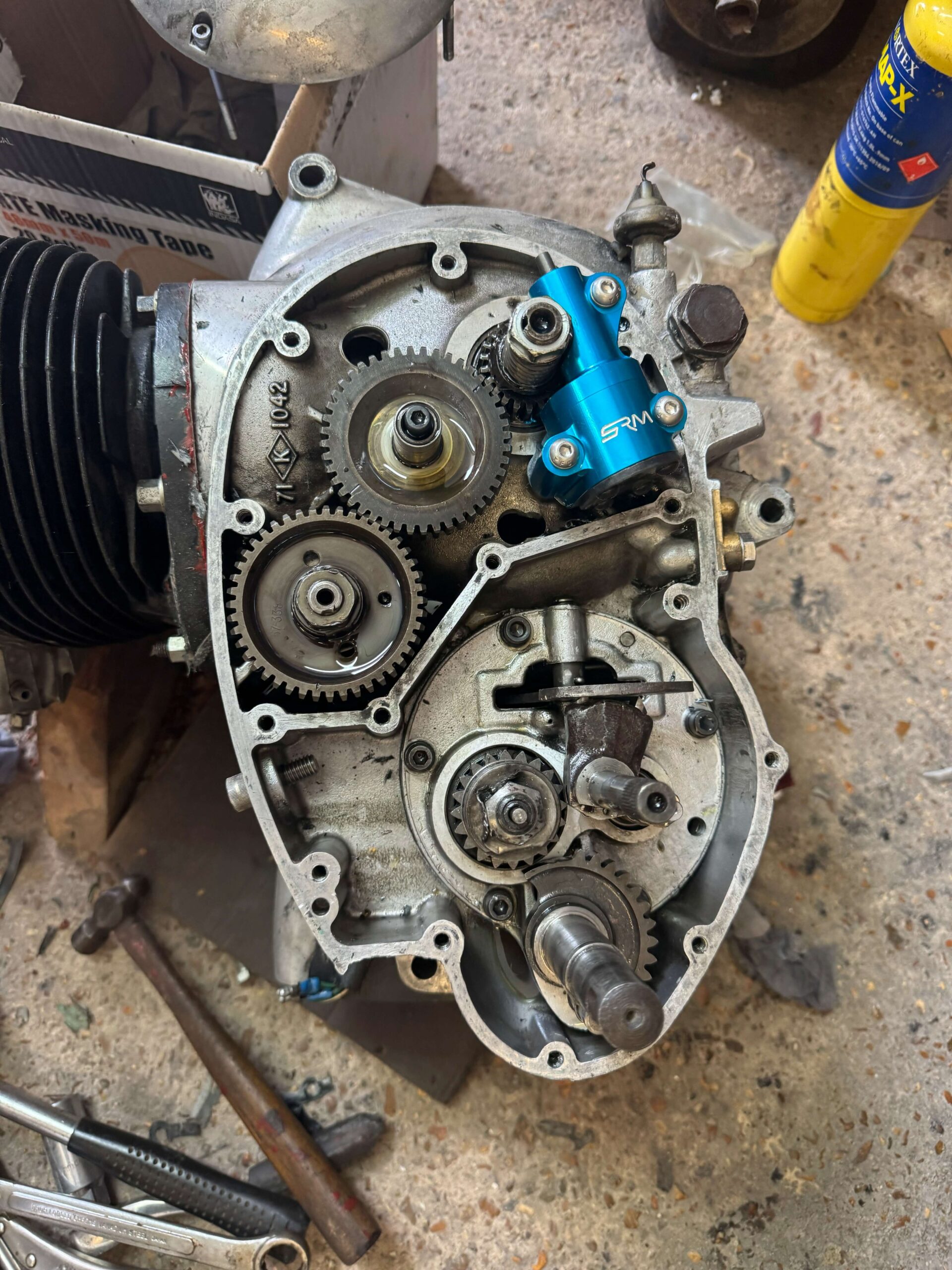
At White’s Bodyworks, a full mechanical restoration starts with stripping and assessment, not assumptions. With the A65, that means engine, gearbox, primary drive, clutch, ignition, fuel system, brakes and suspension all need to be evaluated as part of the same picture. Treating issues in isolation is how problems come back later.
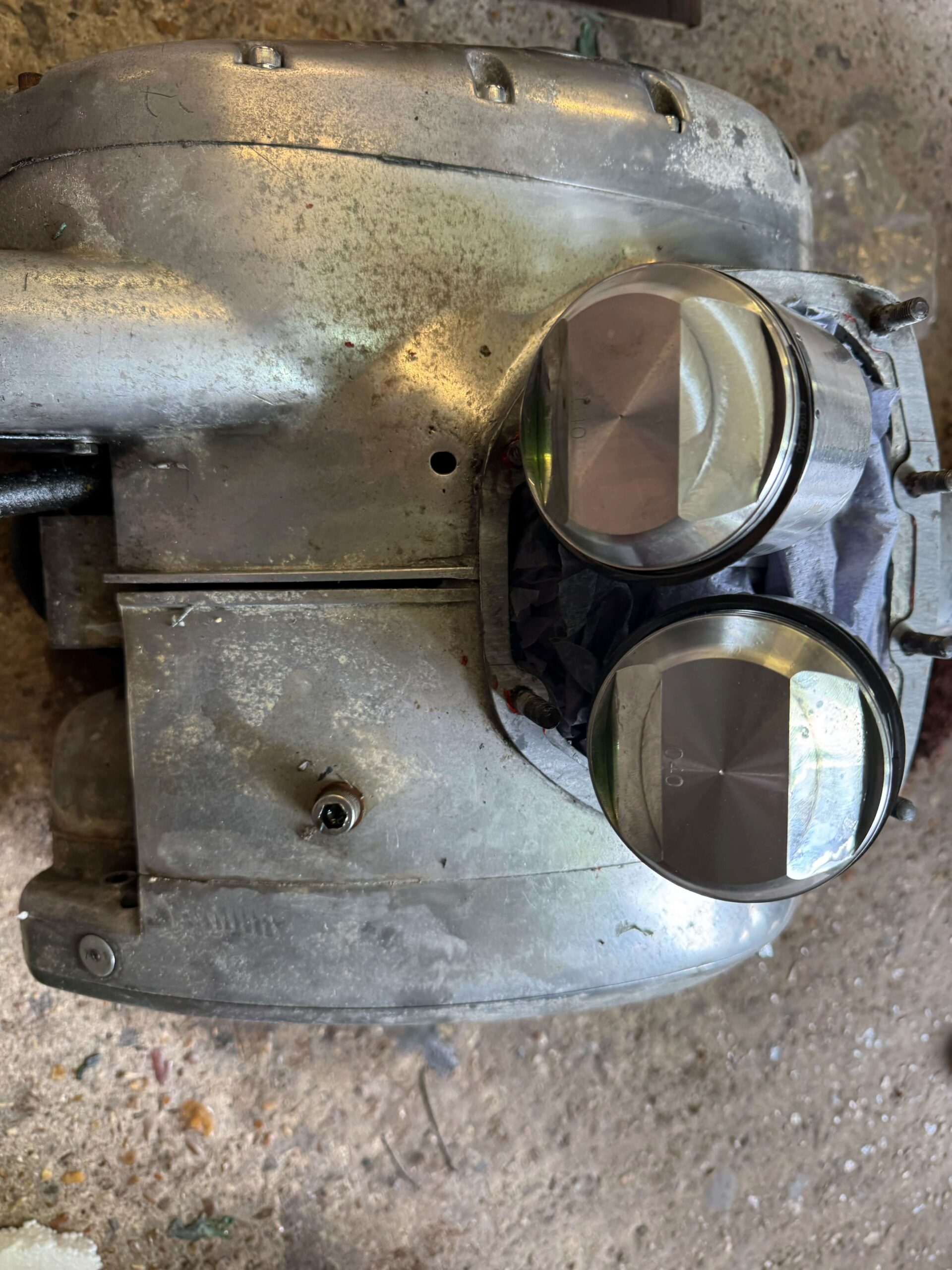
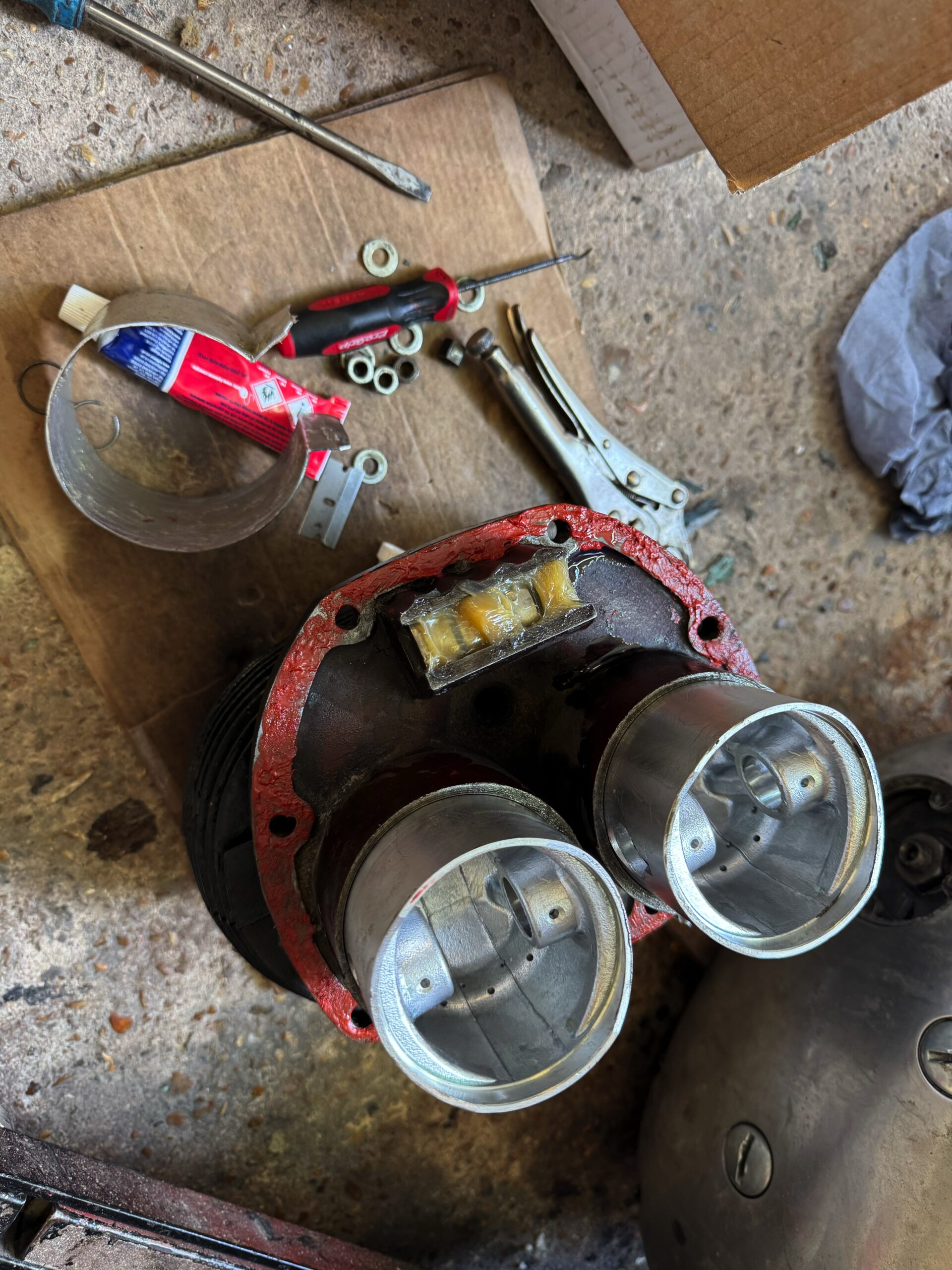
The A65 engine itself is a strong unit when built properly, but it does have known weak points. Oil sealing, crankshaft condition, bearing tolerances and correct assembly are critical. We often see engines that have been apart before, sometimes more than once, with mismatched parts or shortcuts taken simply to get the bike running again. Those repairs tend to store up trouble rather than solve it.
In practice, a mechanical restoration is about returning everything to known, reliable condition. Clearances are checked, worn components replaced or reconditioned, and assemblies rebuilt to suit how the bike is actually going to be used. There’s little point in chasing factory-new perfection if the end goal is a usable road bike. Equally, cutting corners just creates future failures.
The same thinking applies beyond the engine. Gear selection issues, tired clutches, weak charging systems and worn suspension are all common on A65s that have sat unused. Bringing a non-runner back properly means addressing all of that together, not piecemeal.
What’s important with bikes like the A65 is preserving their character. These were never smooth or quiet machines. They vibrate, they feel mechanical, and they demand a bit of involvement from the rider. When restored correctly, that’s part of the appeal. When restored poorly, it becomes frustrating.
This project is still in progress, and that’s how it should be. Mechanical restorations take time to last. There’s no rush to bolt things together for appearances. The aim is simple: take a non-running British twin and return it to reliable, honest working order, without losing what made it worth saving in the first place.
It’s the sort of work that doesn’t photograph as well as shiny paint, but it’s the foundation everything else depends on.