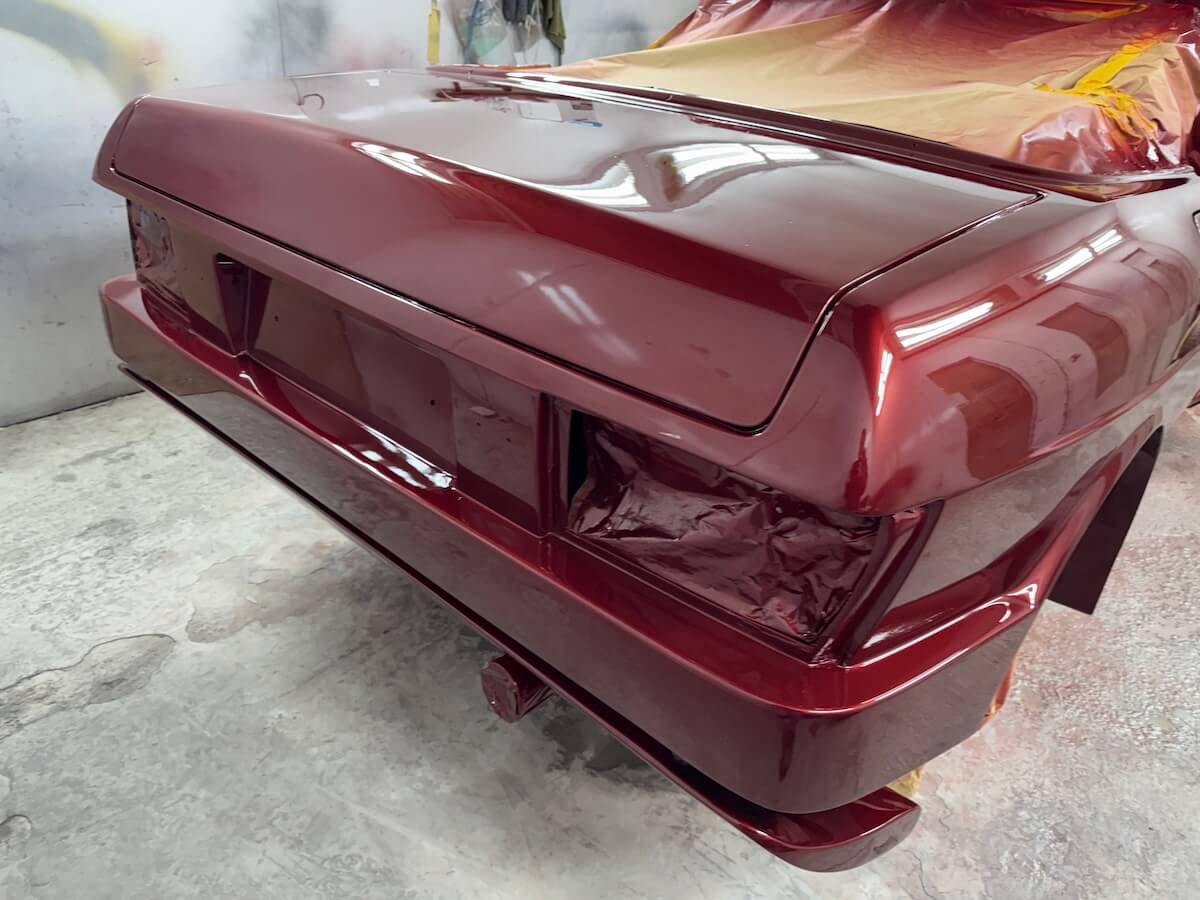
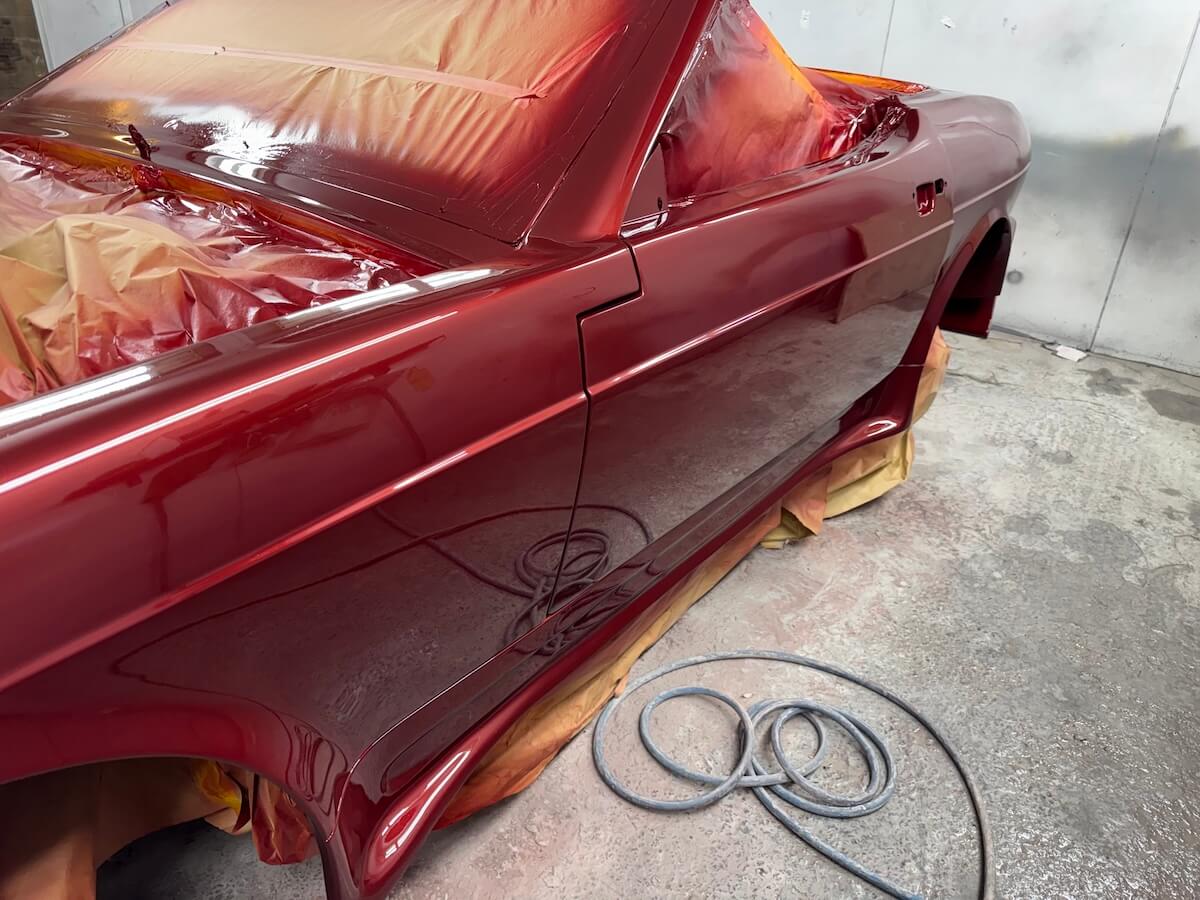
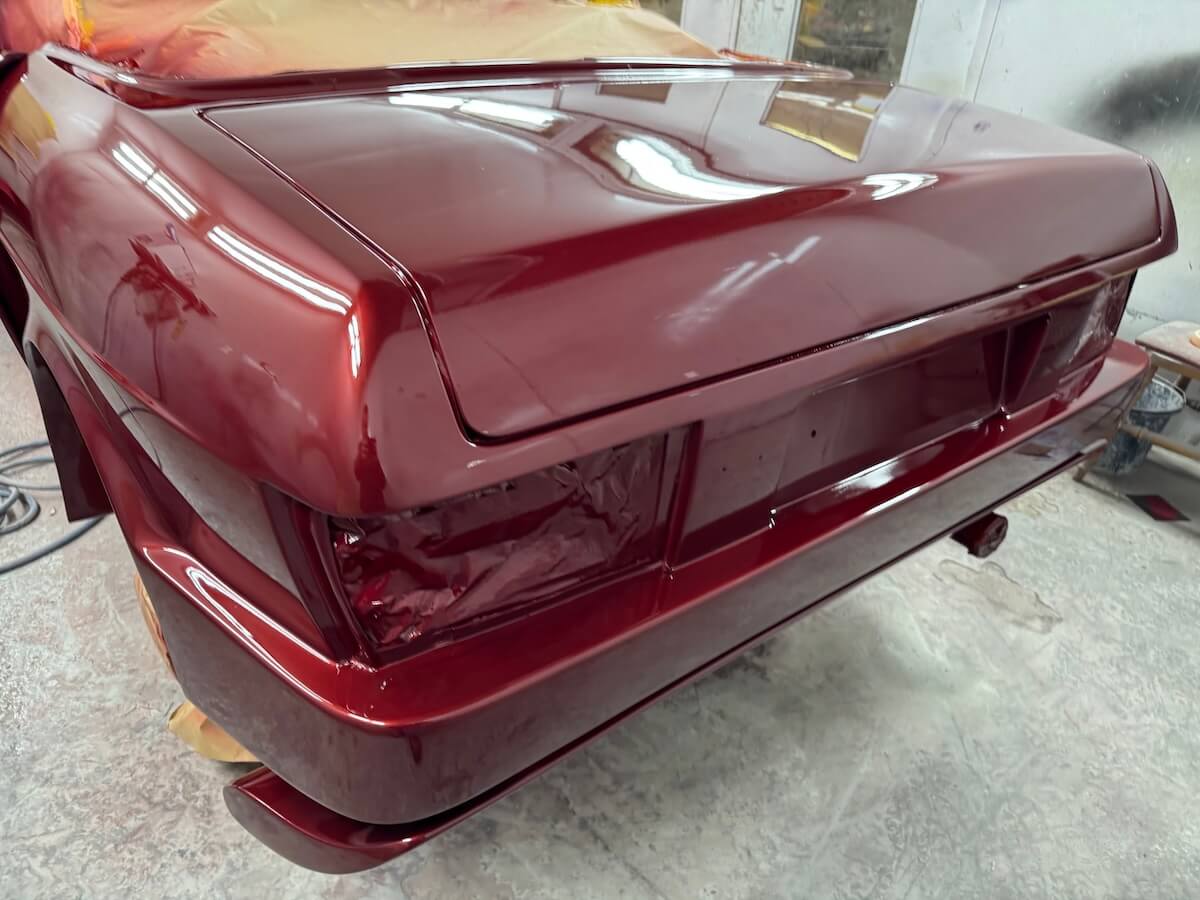
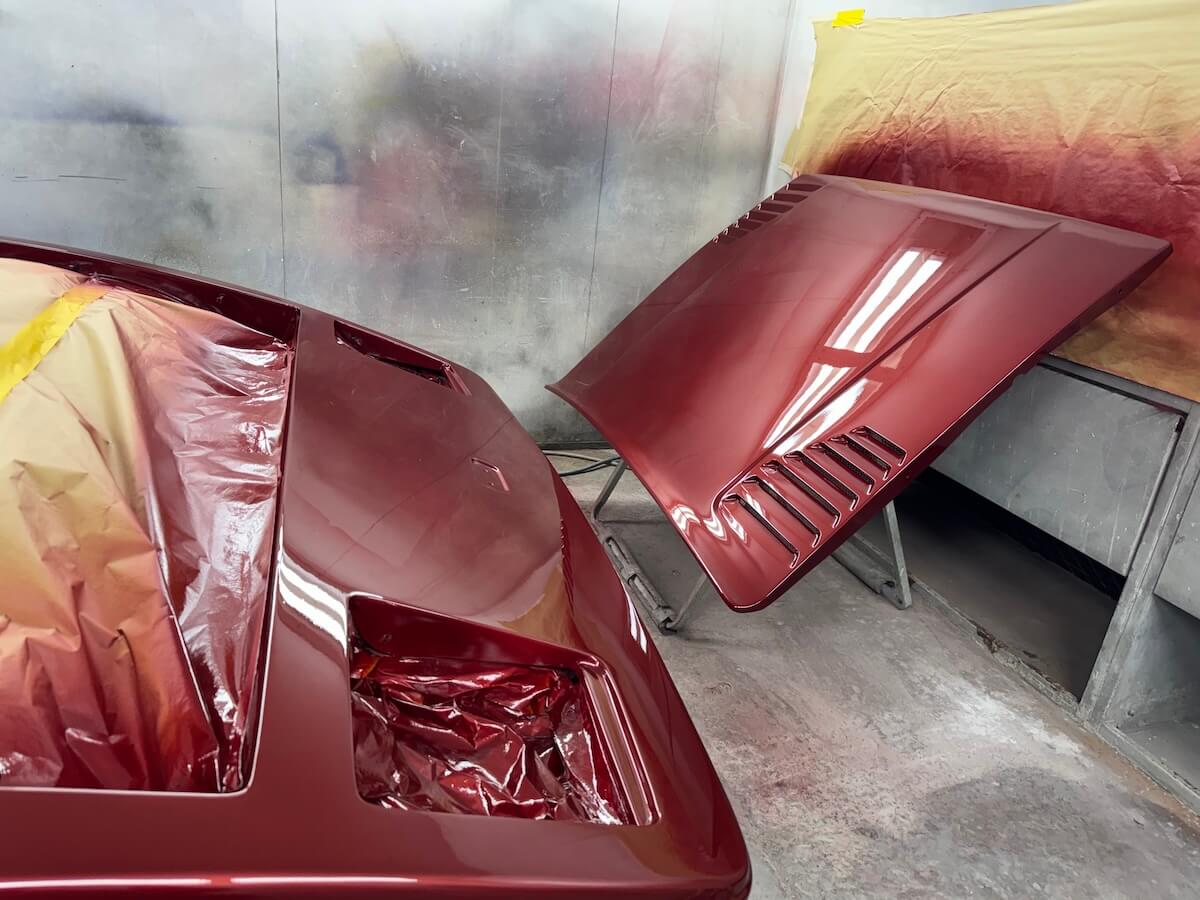
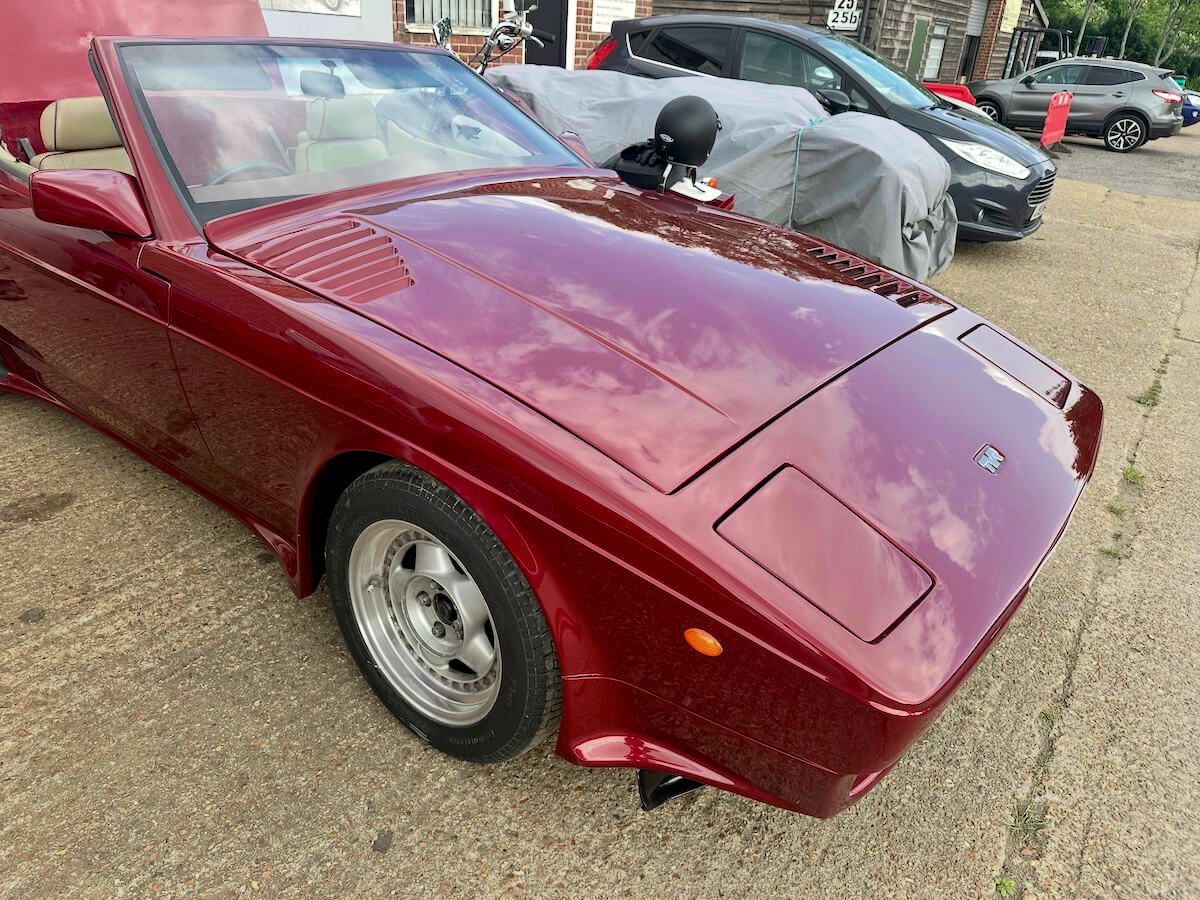
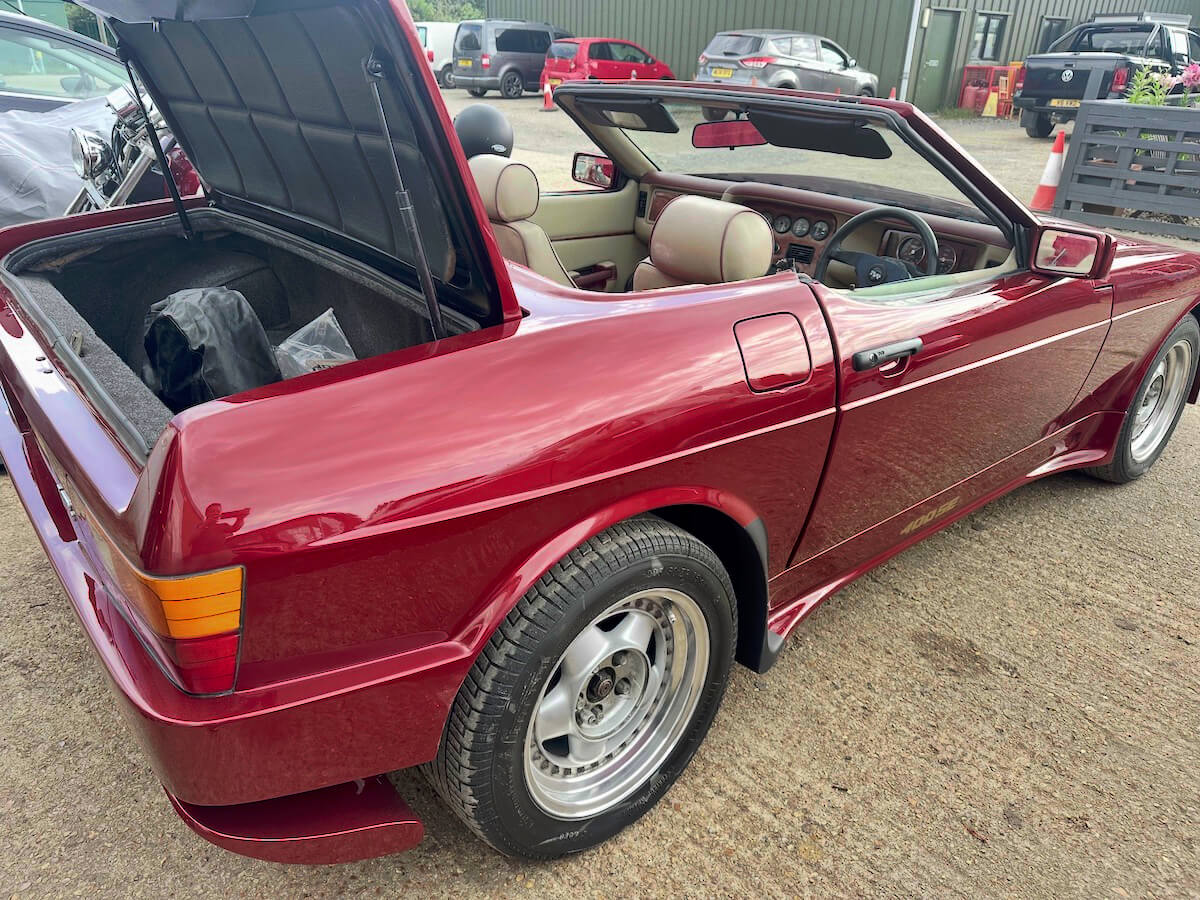
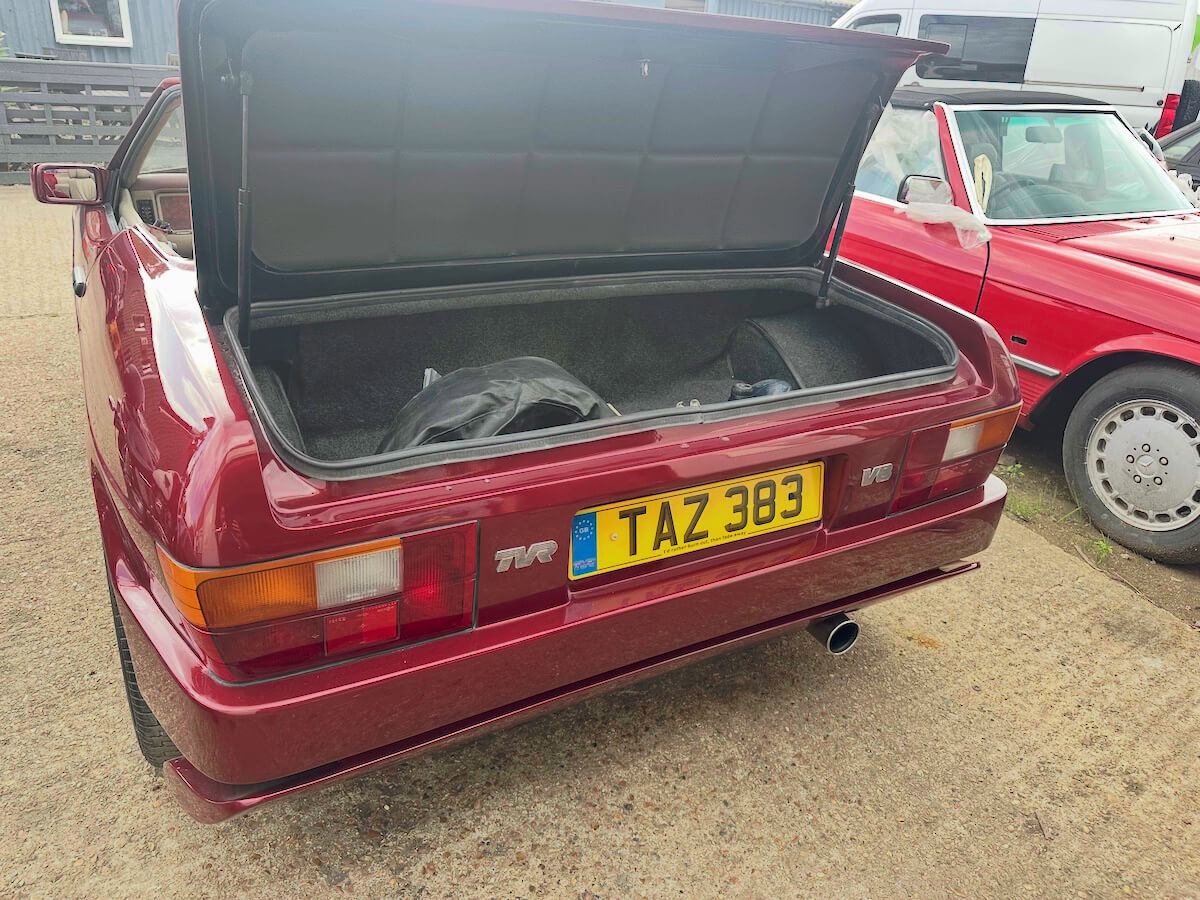
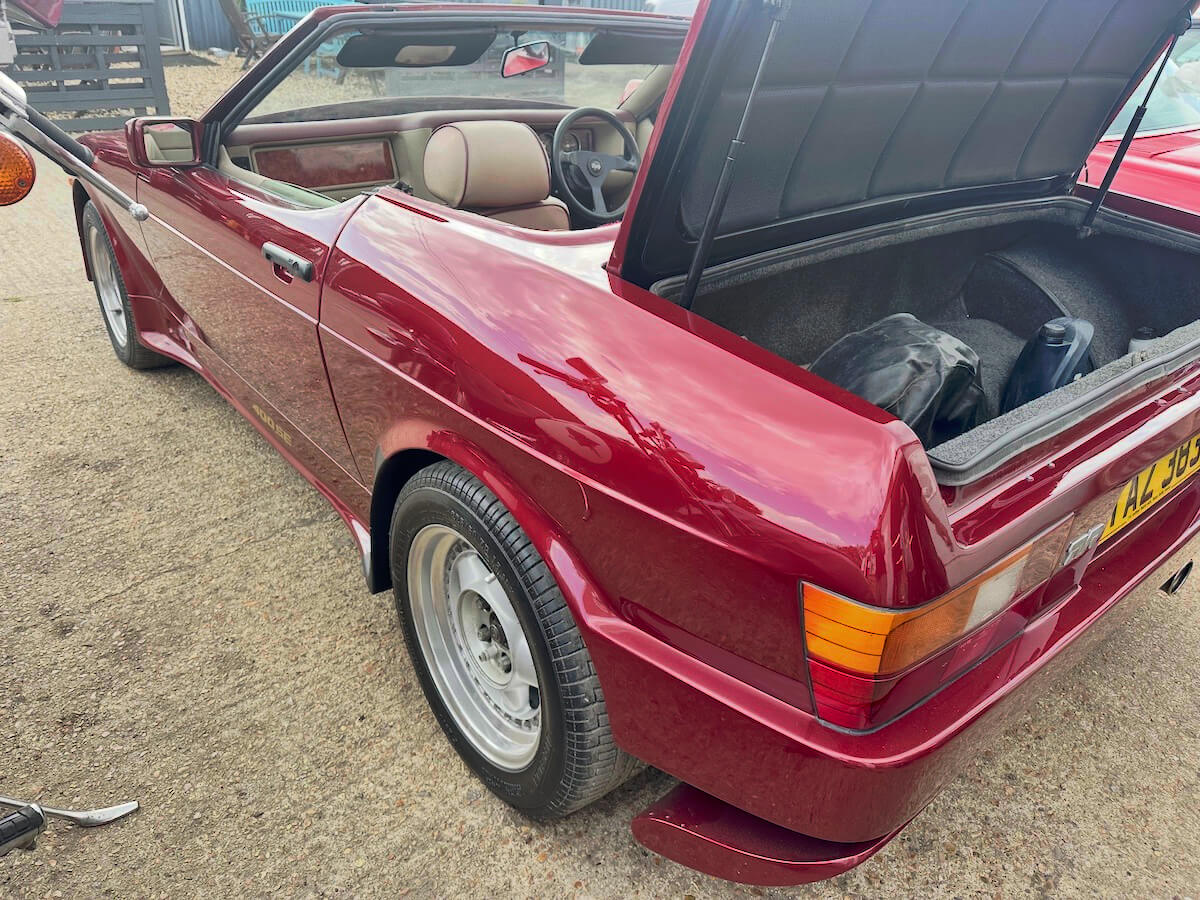
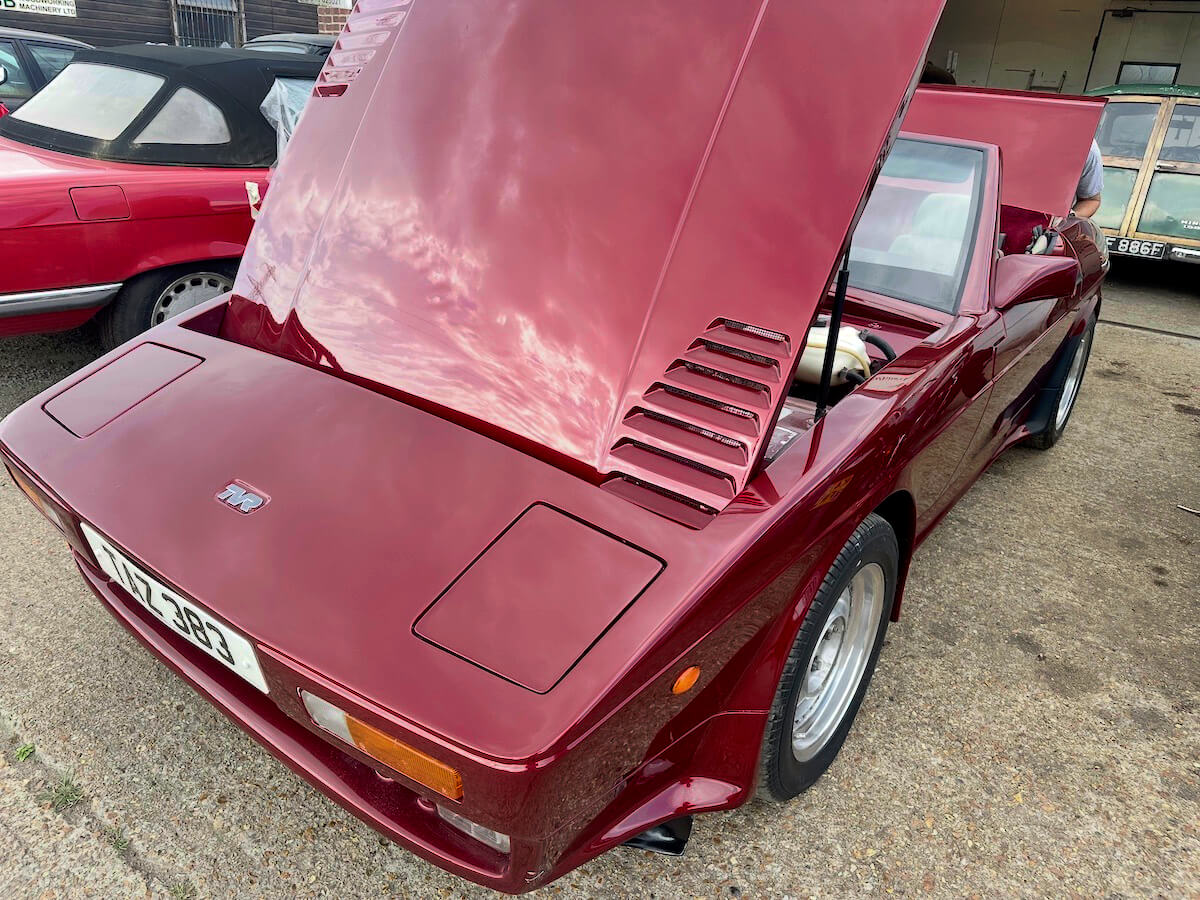
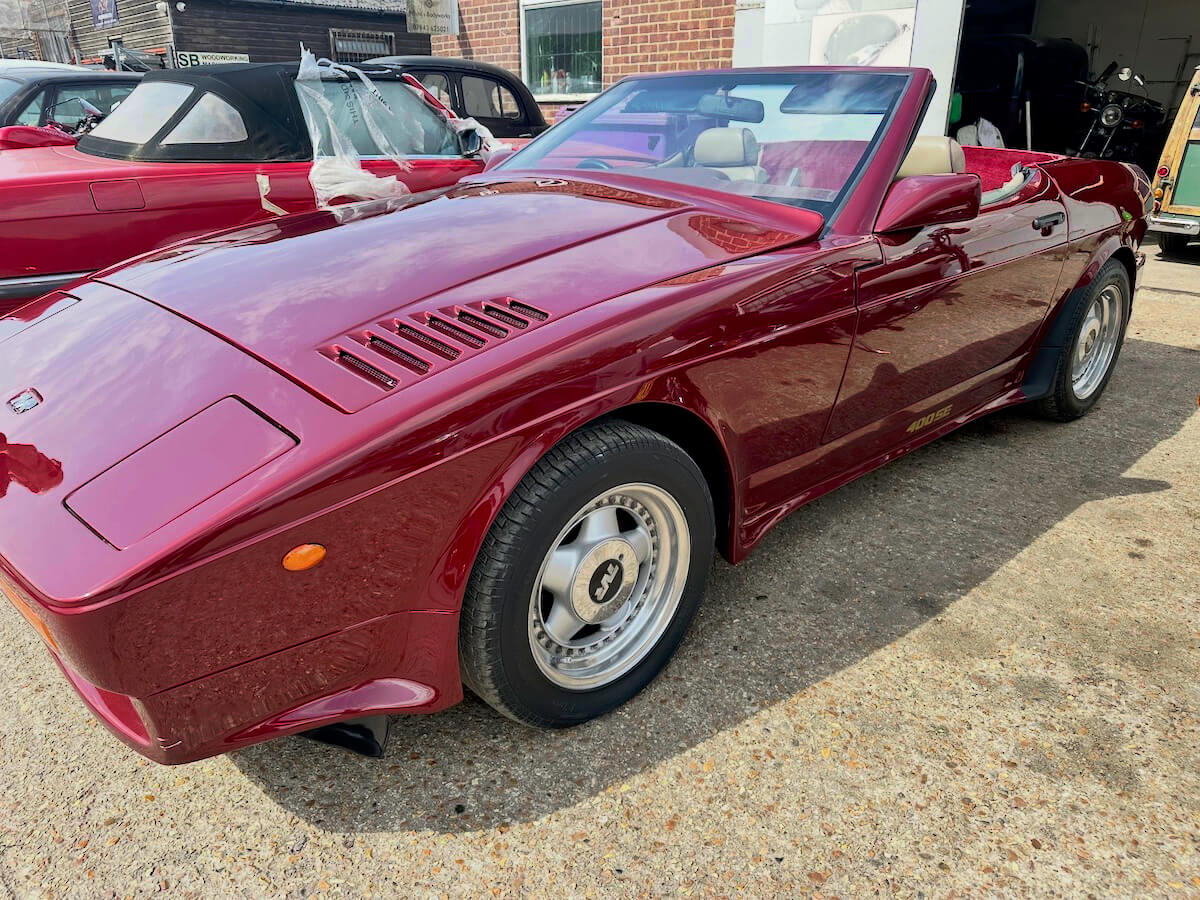
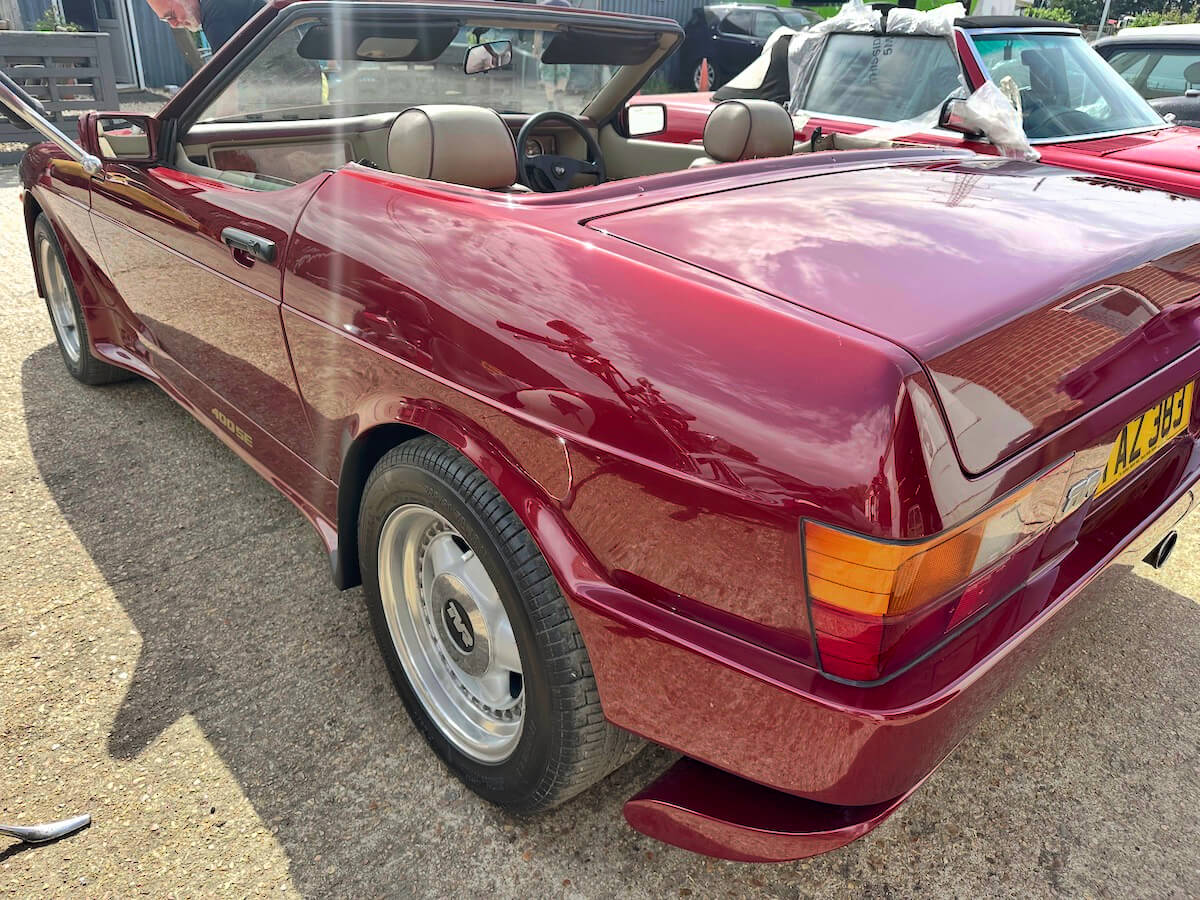
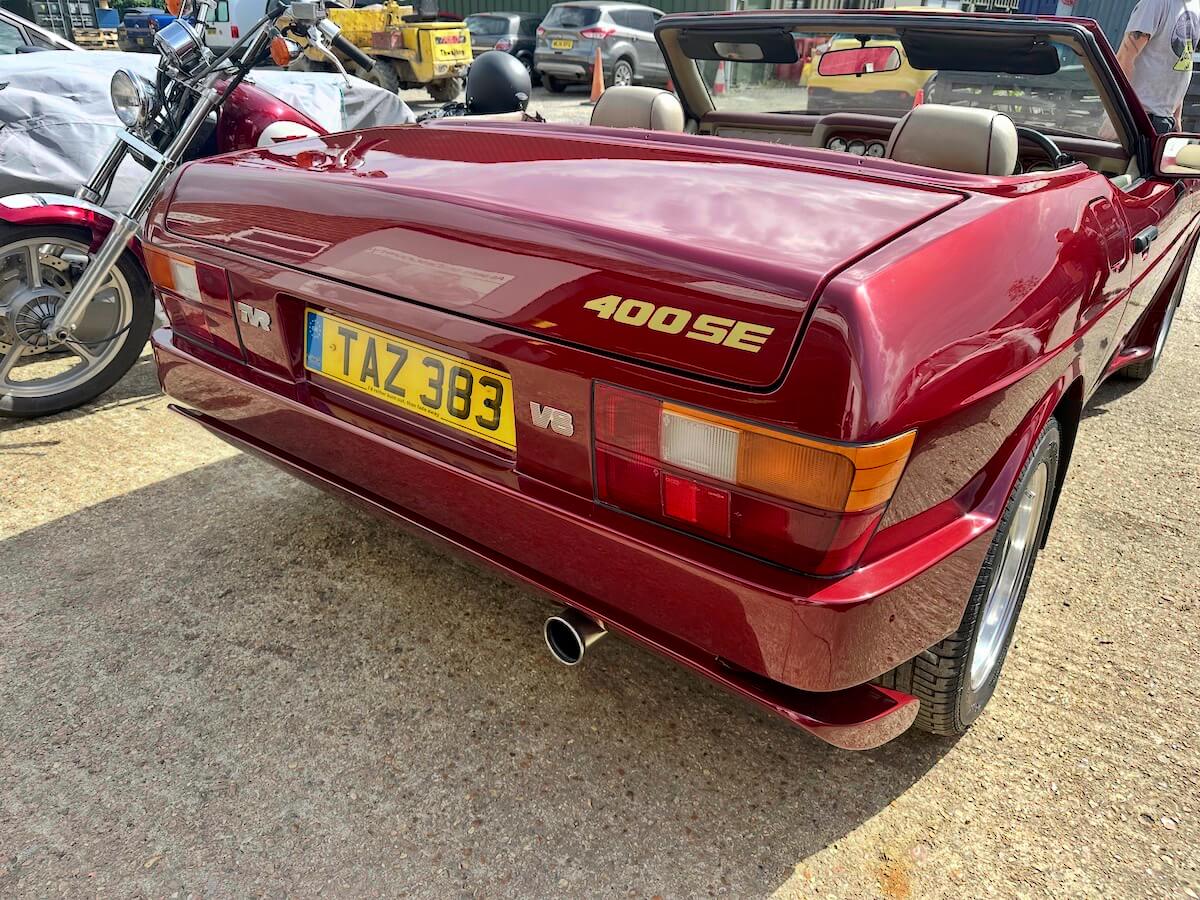
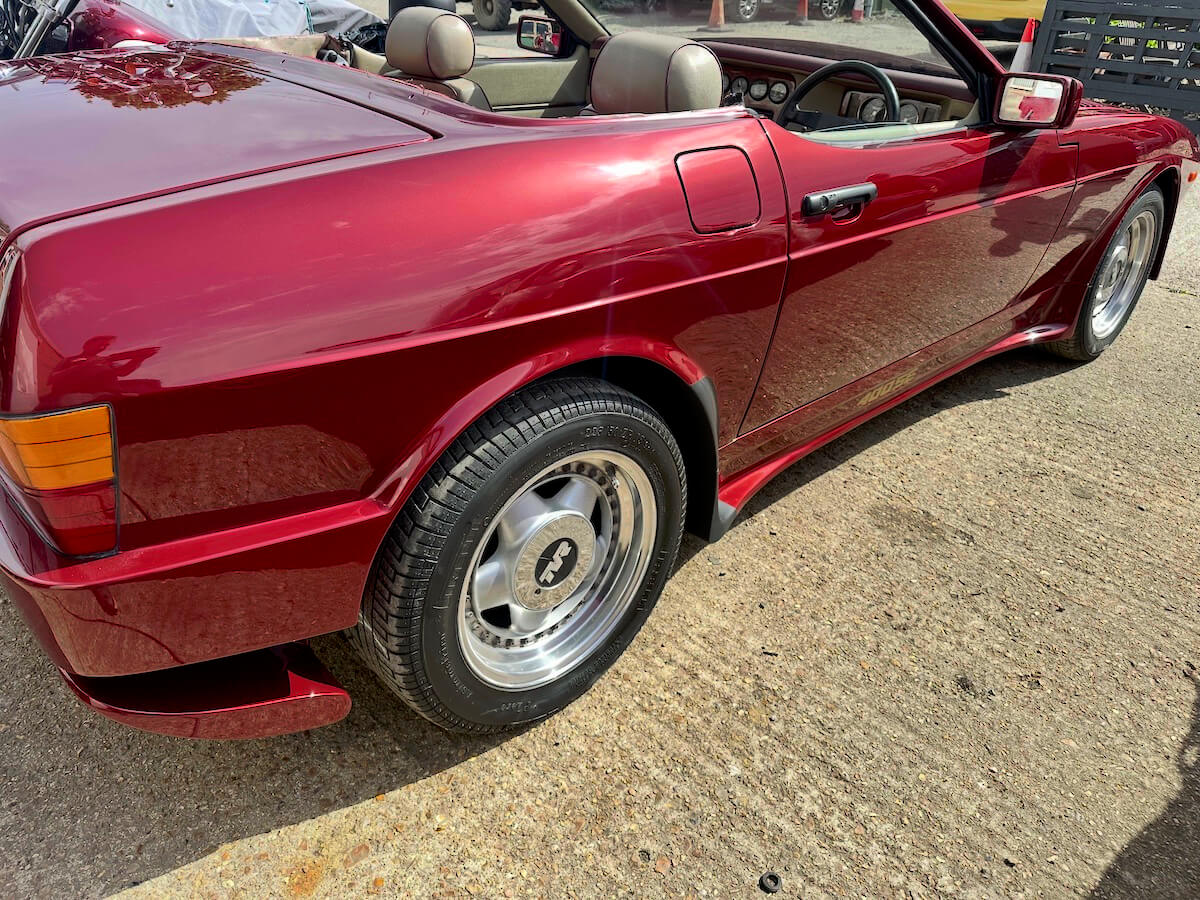
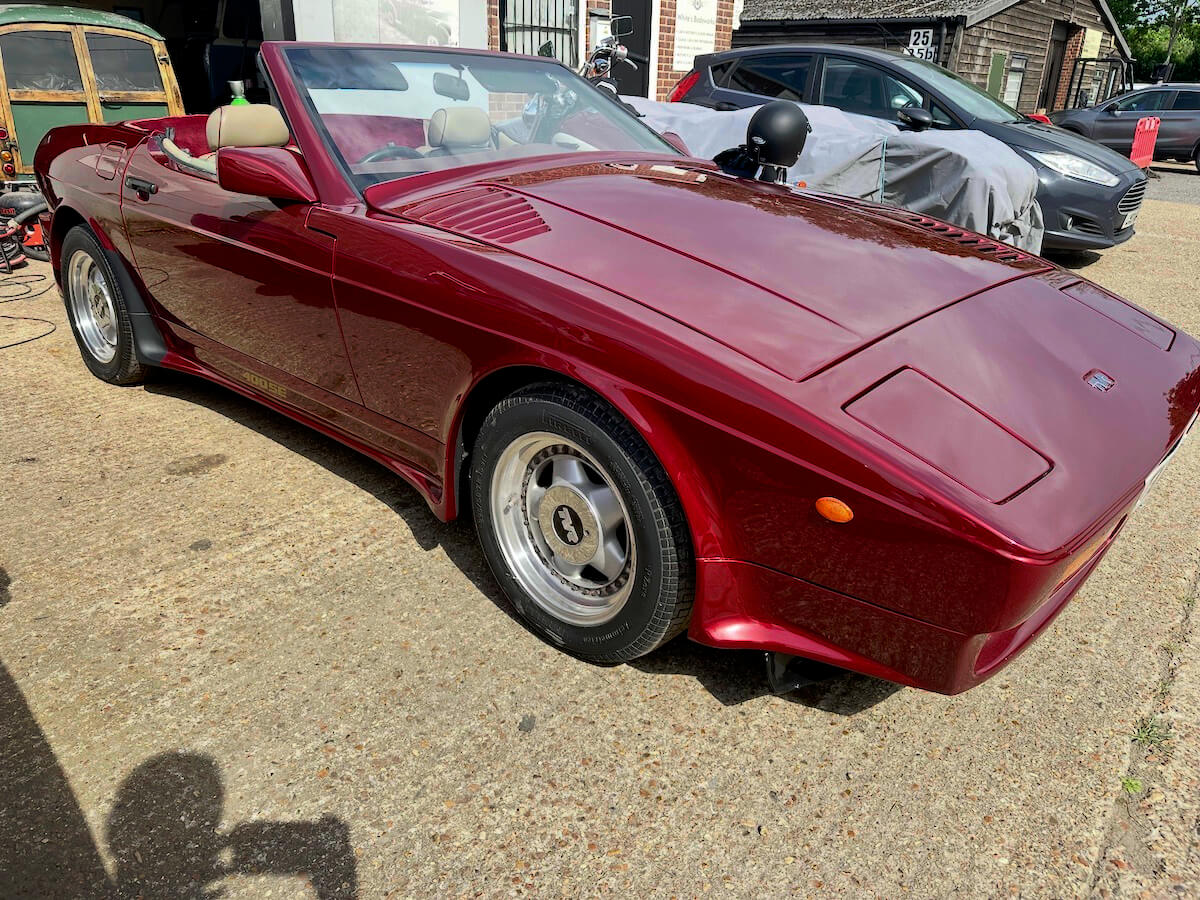
TVRs have never been subtle. Low, wide, loud and unapologetically mechanical, they were built for people who wanted driving to feel raw rather than refined. Whether it’s a Chimaera, Griffith or one of the earlier wedge-shaped cars, the formula is broadly the same: lightweight body, strong engine, and very little between the driver and the road.
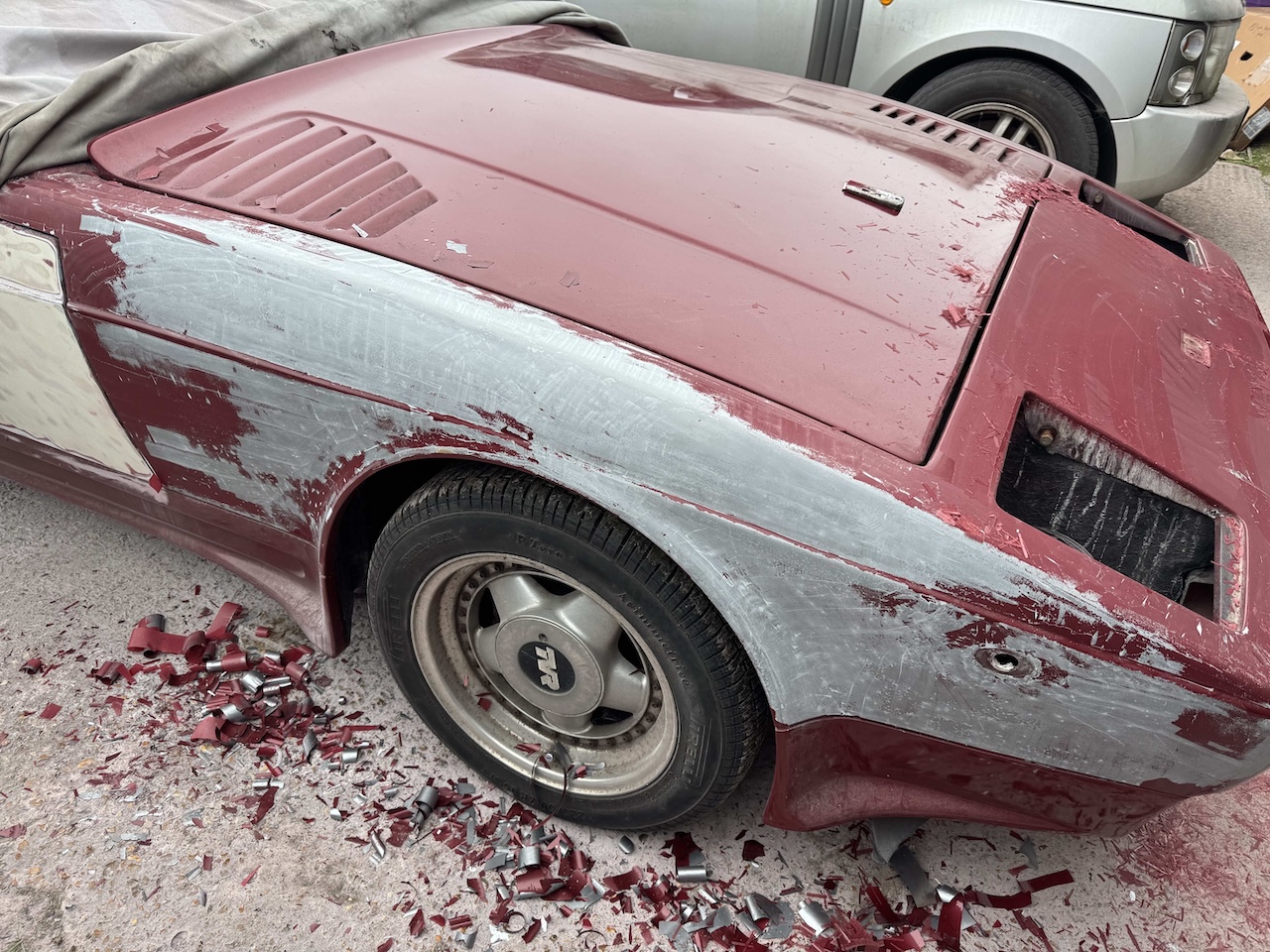
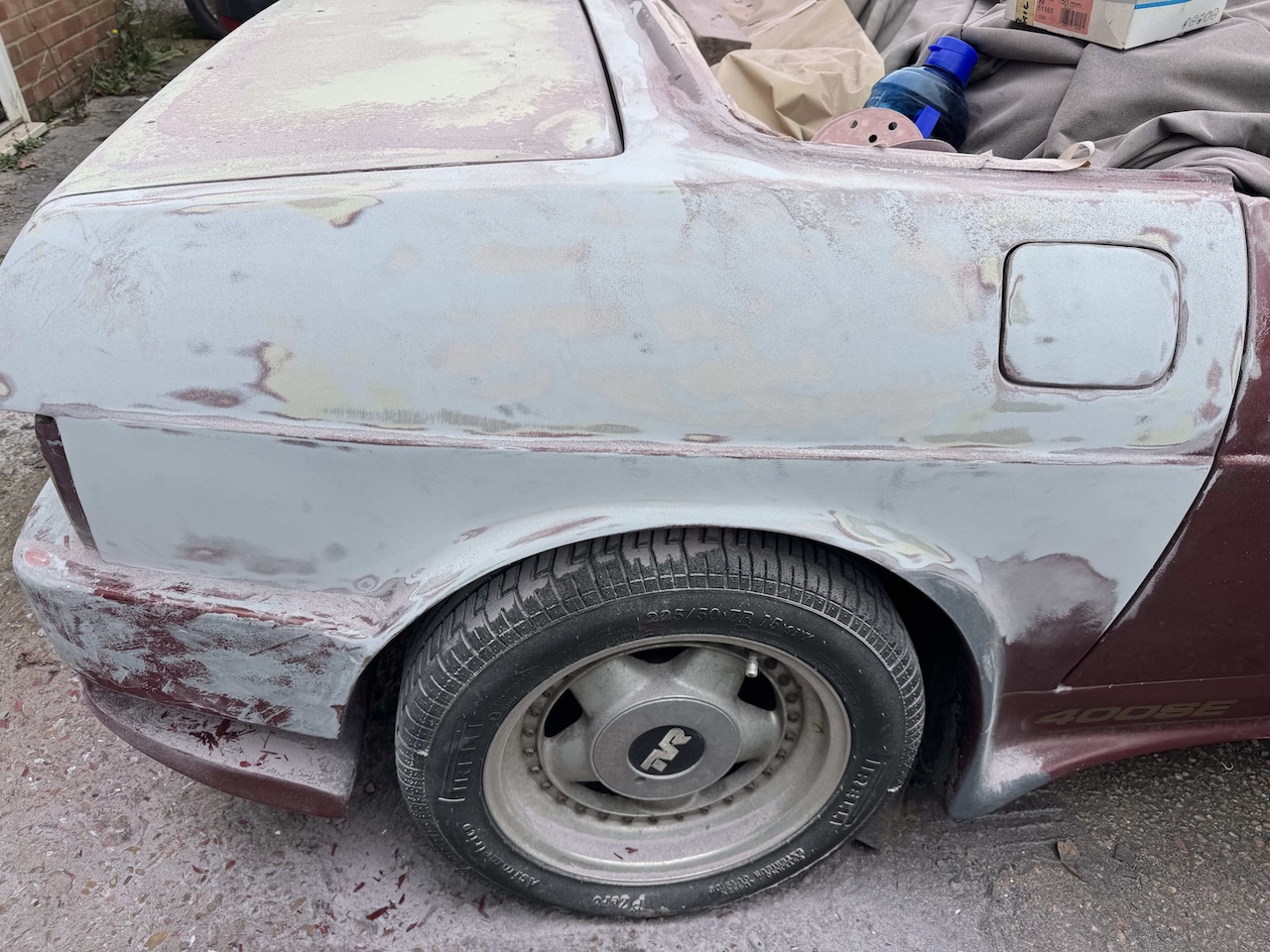
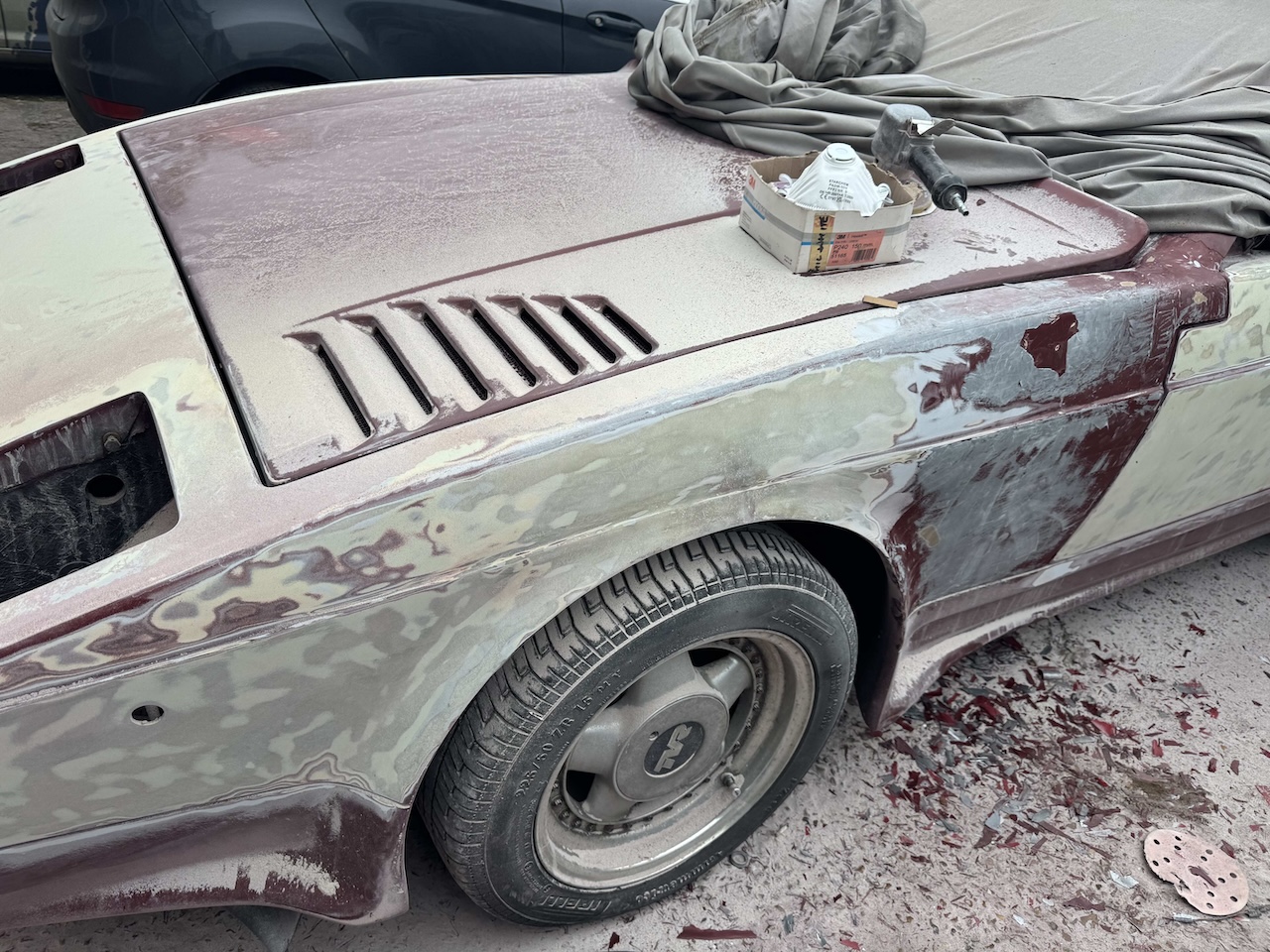
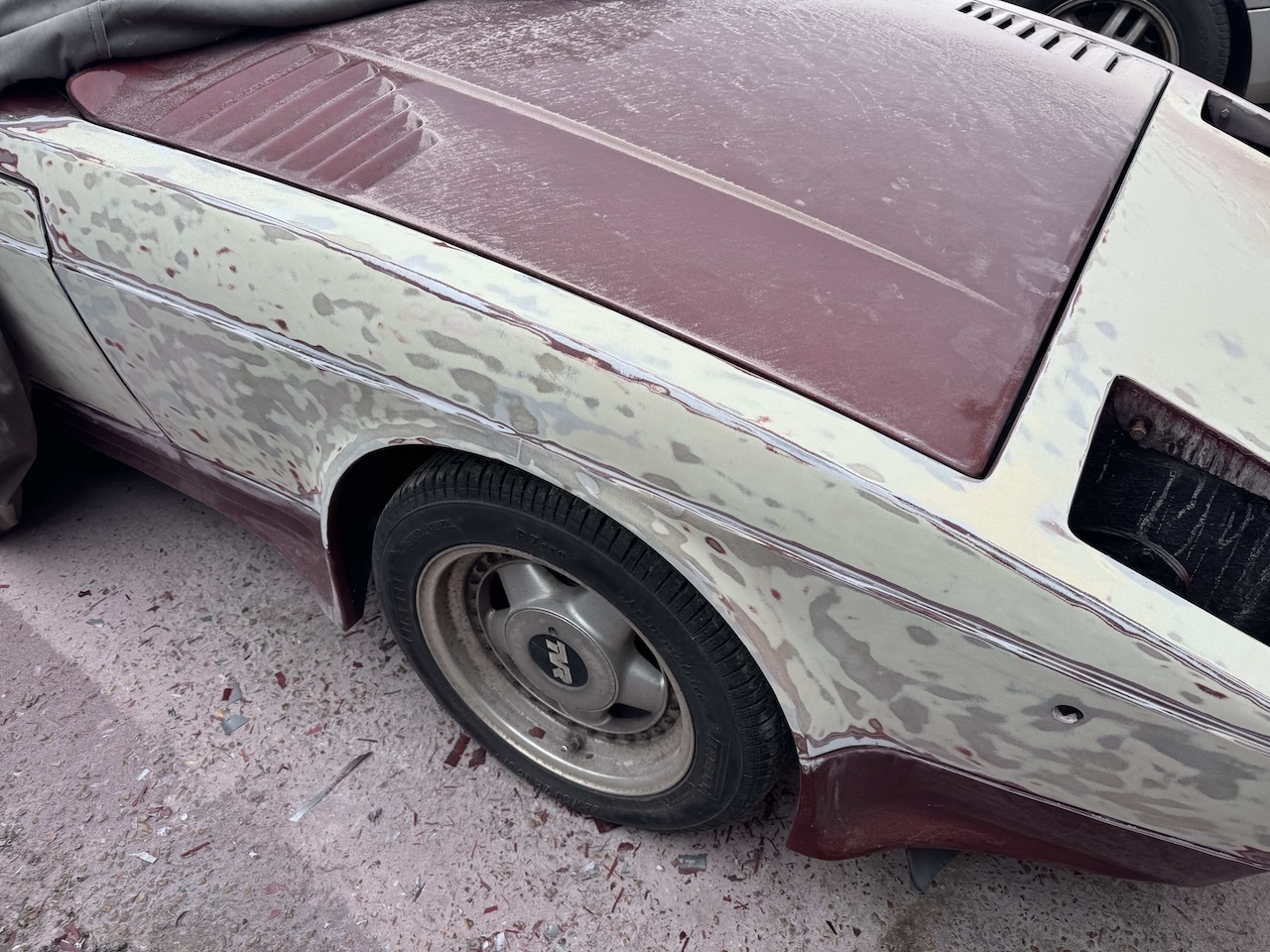
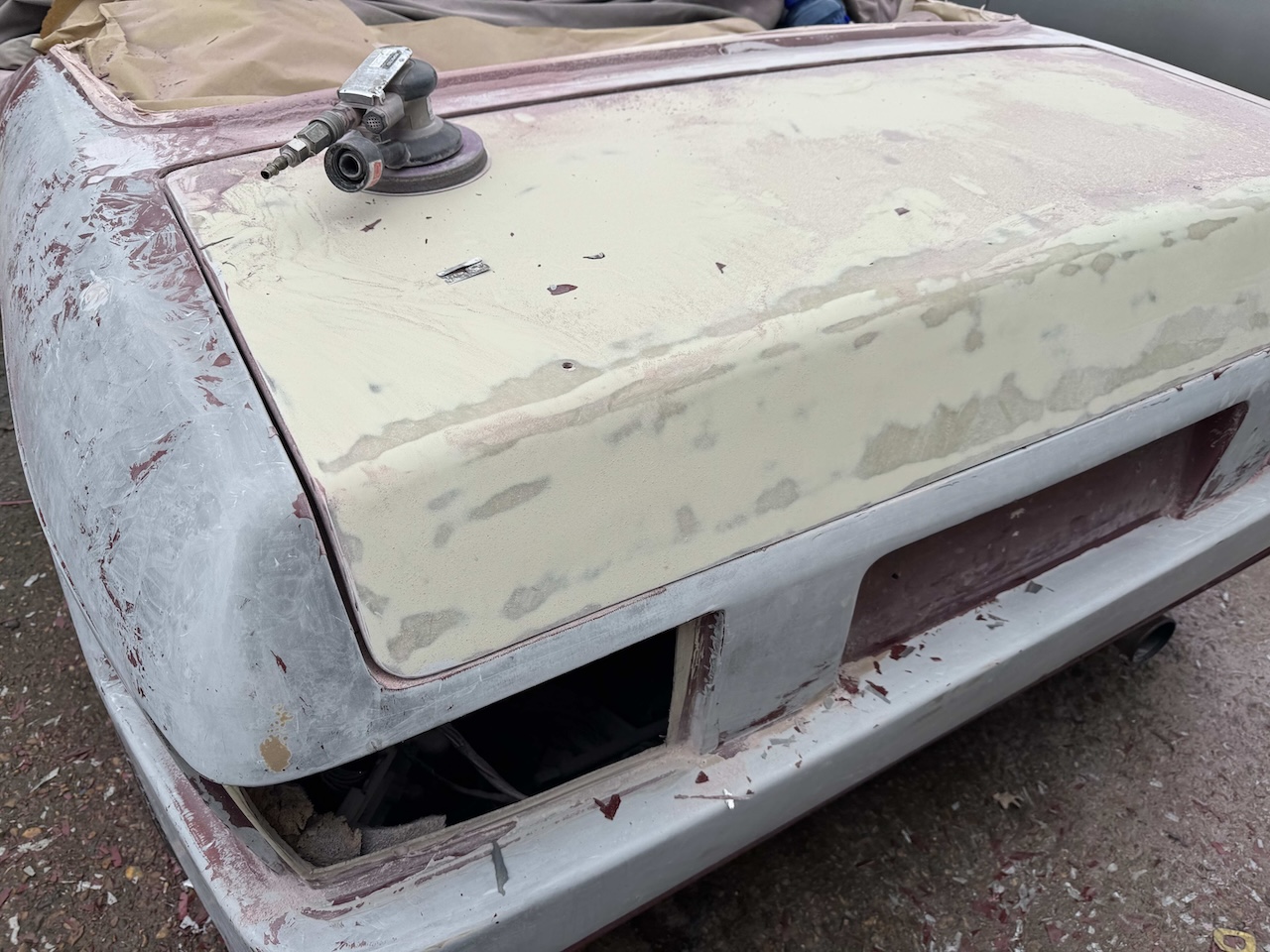
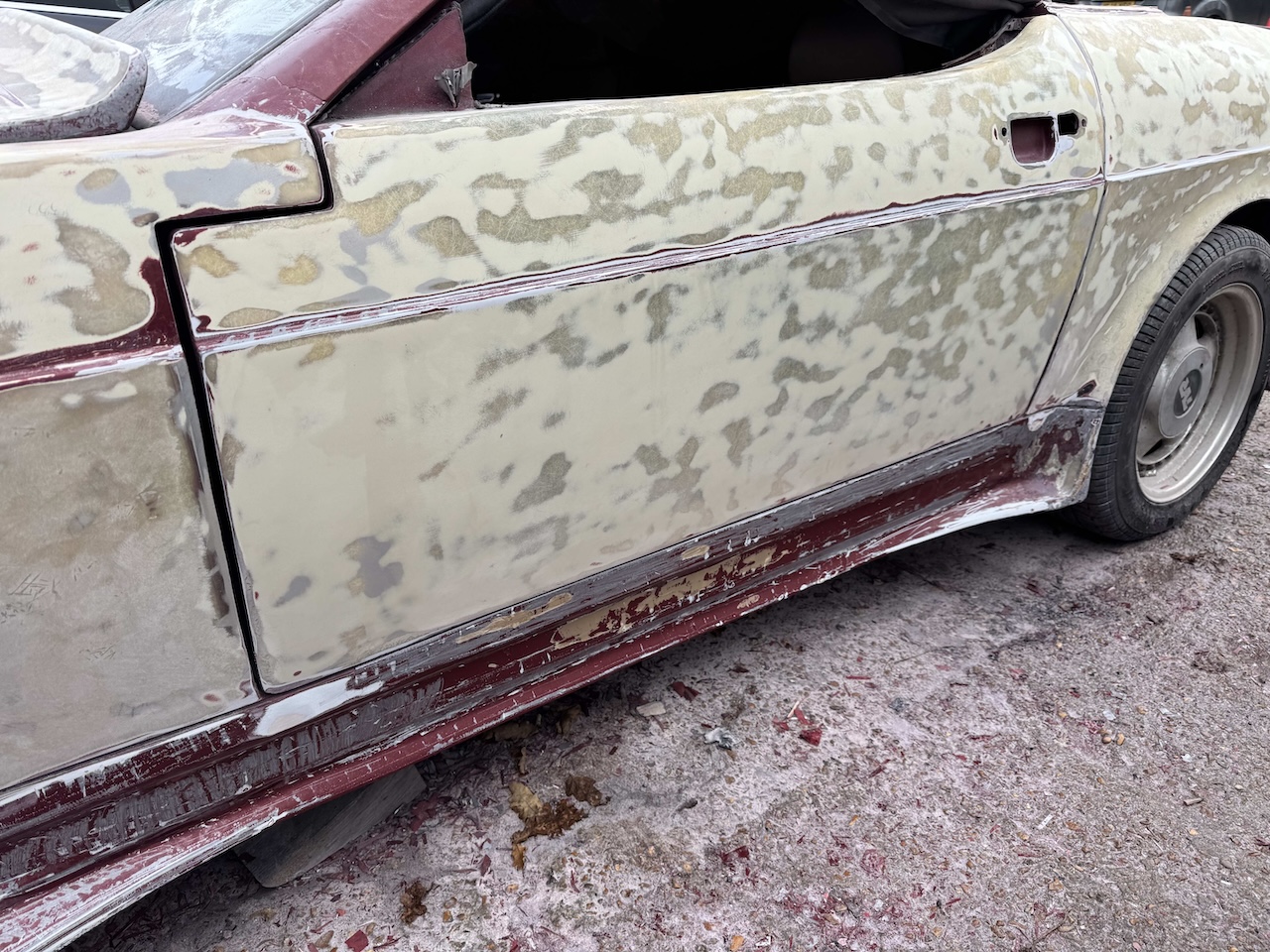
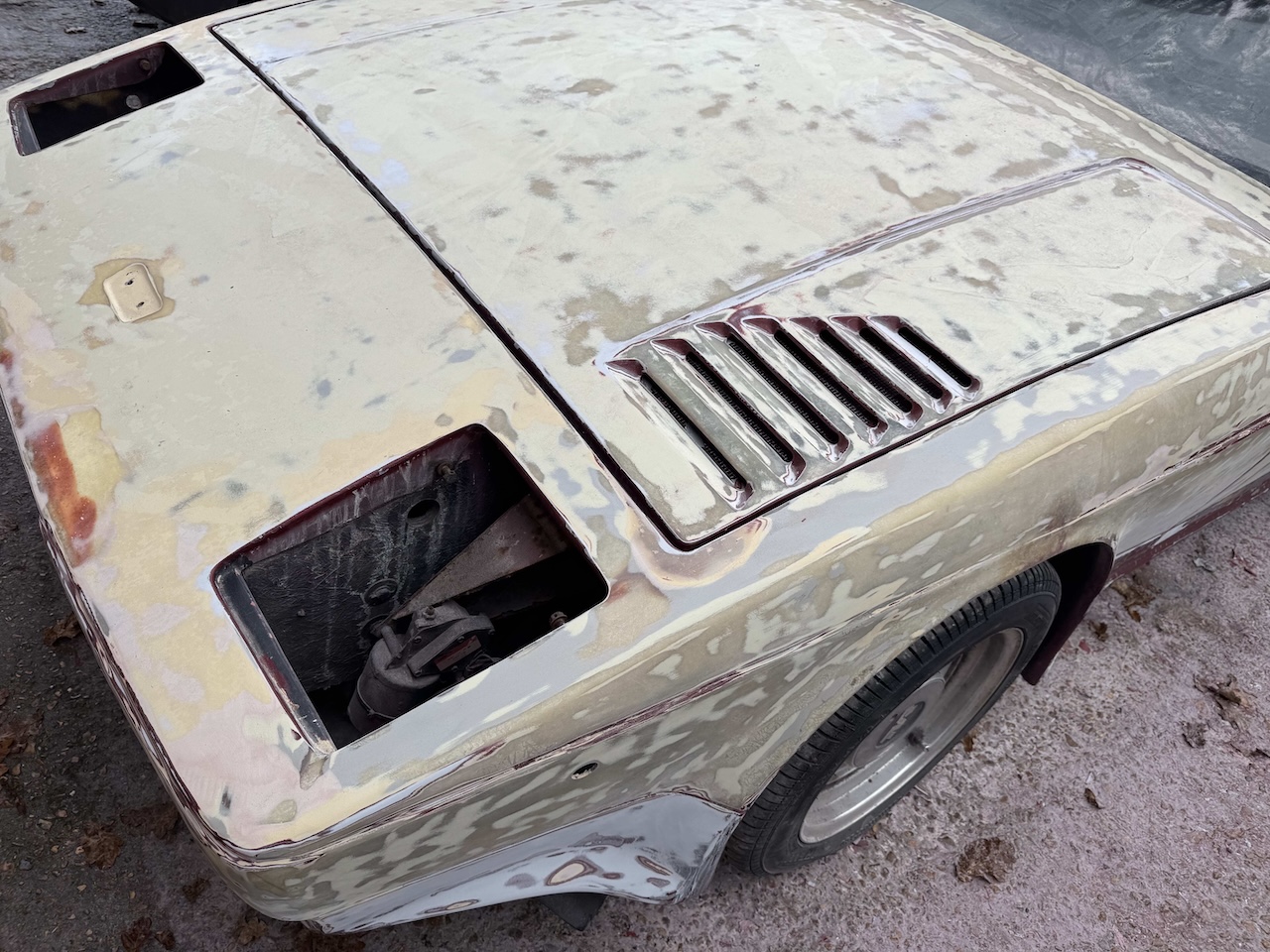
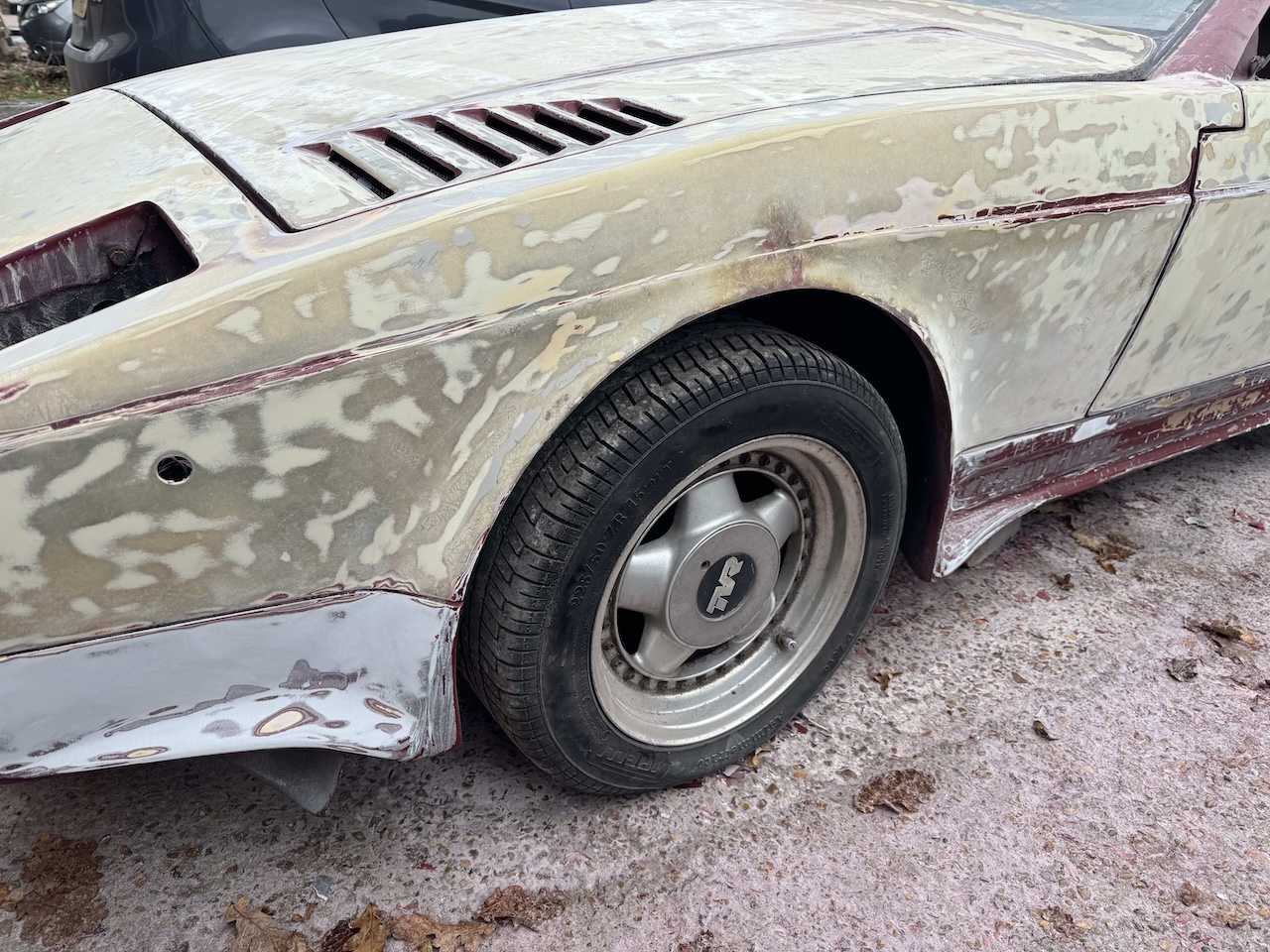
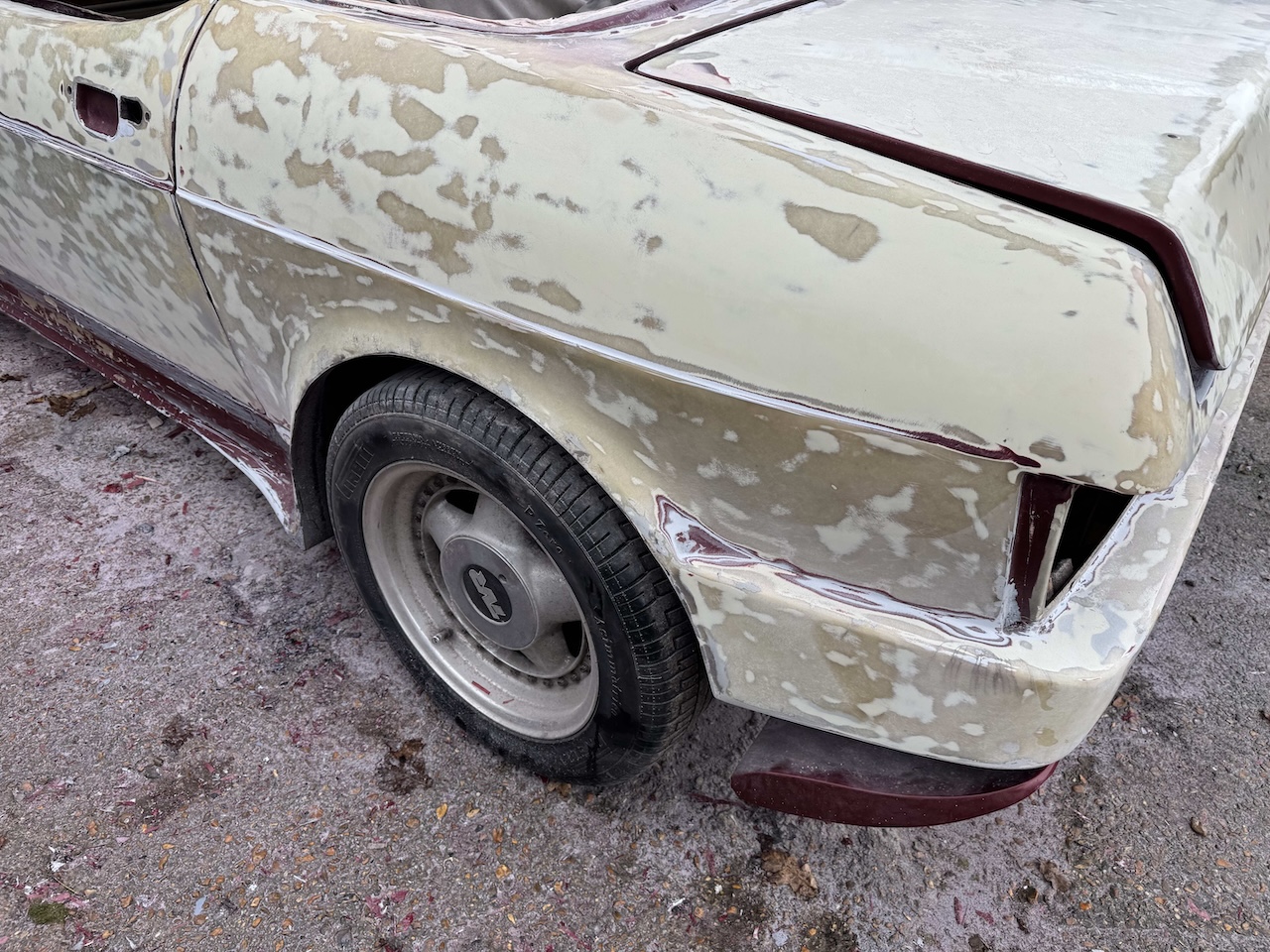
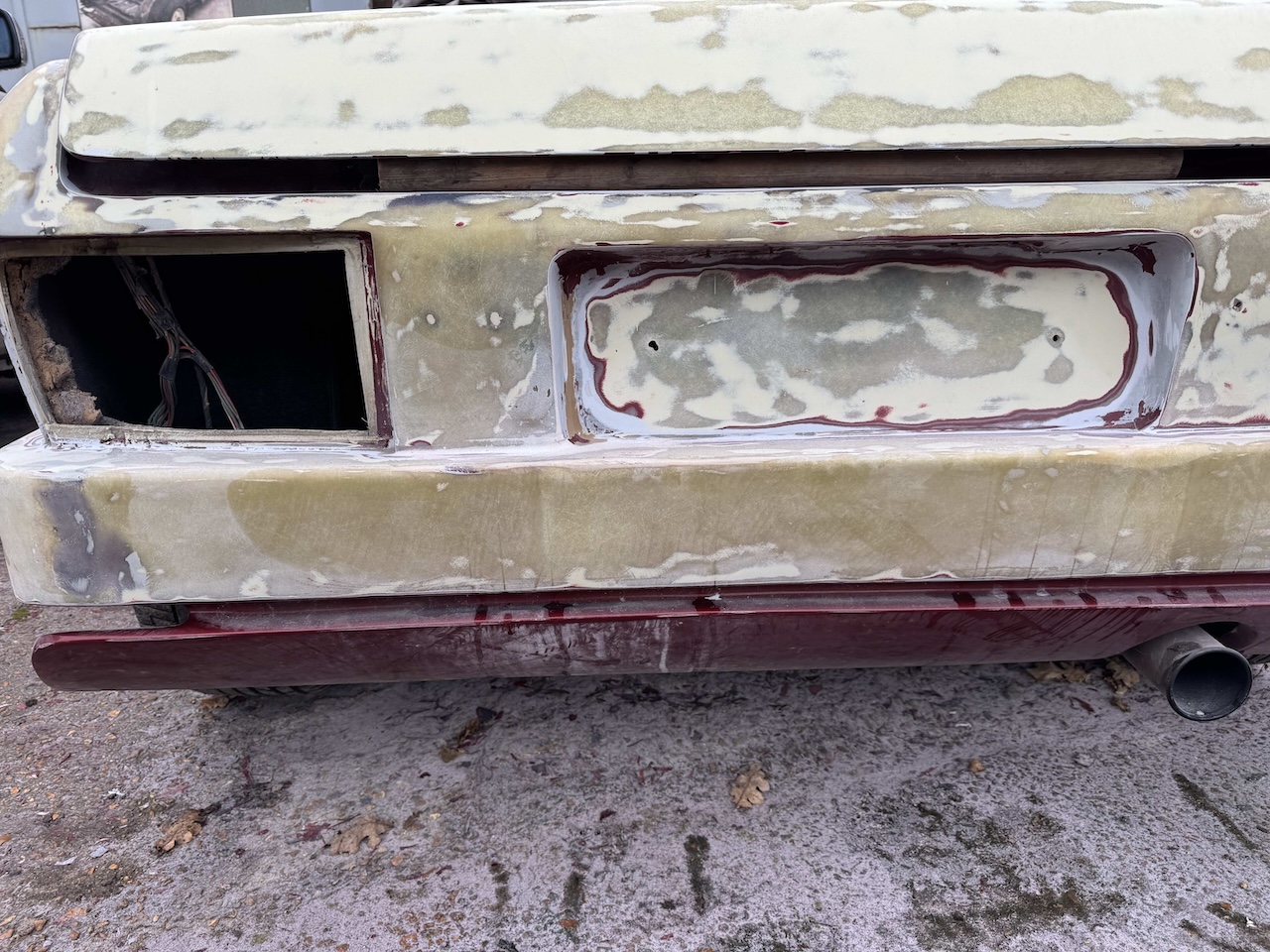
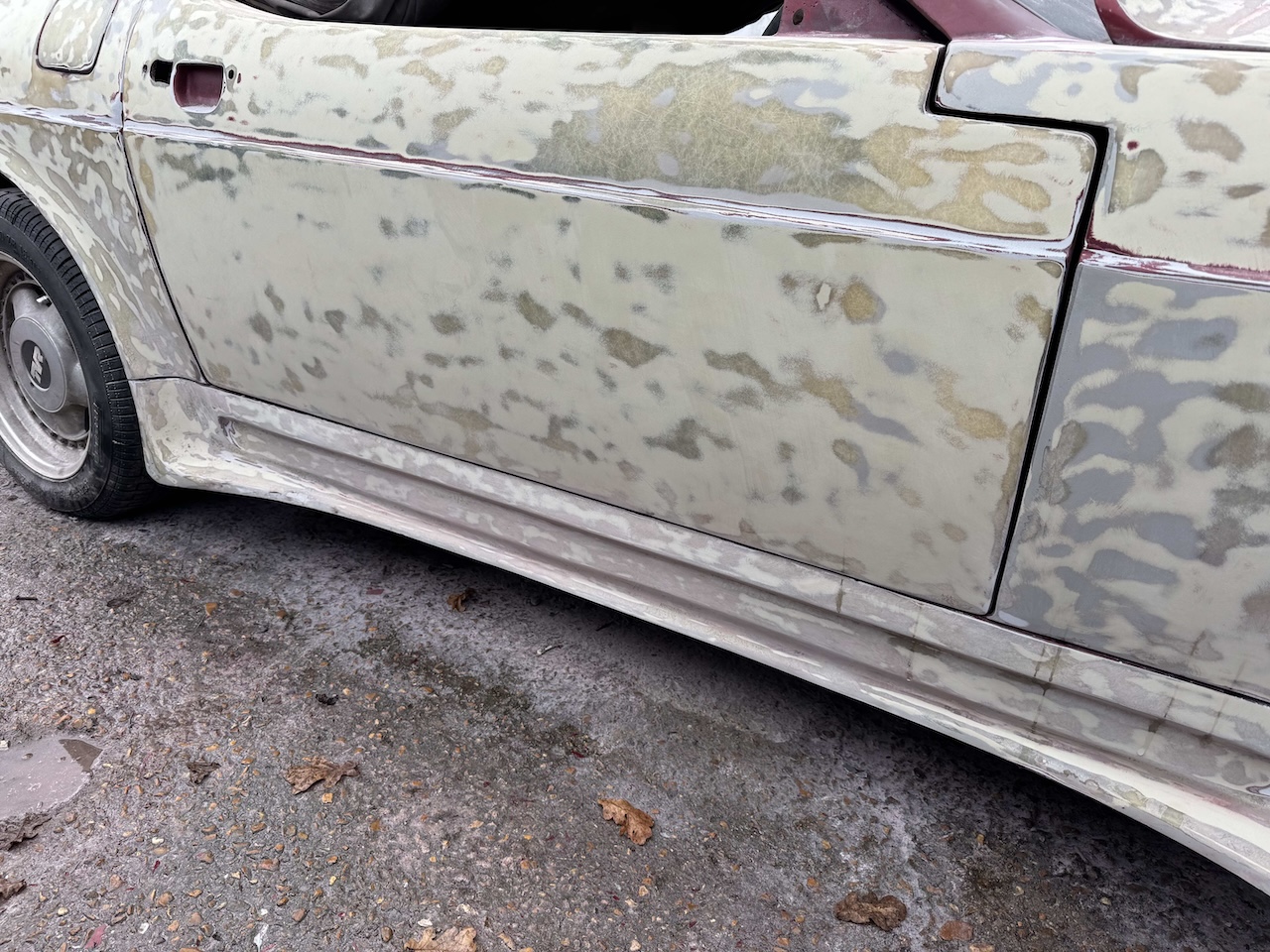
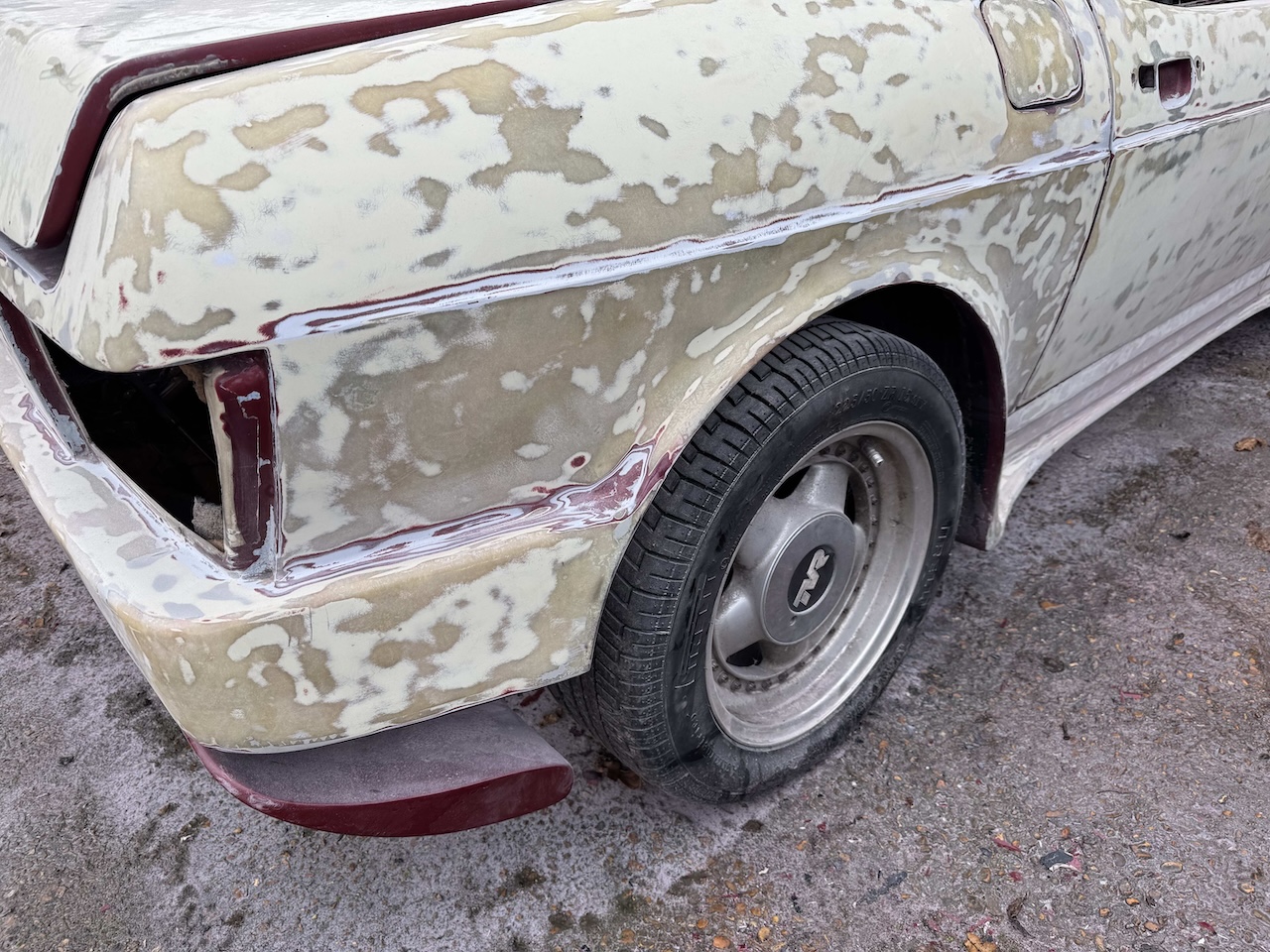
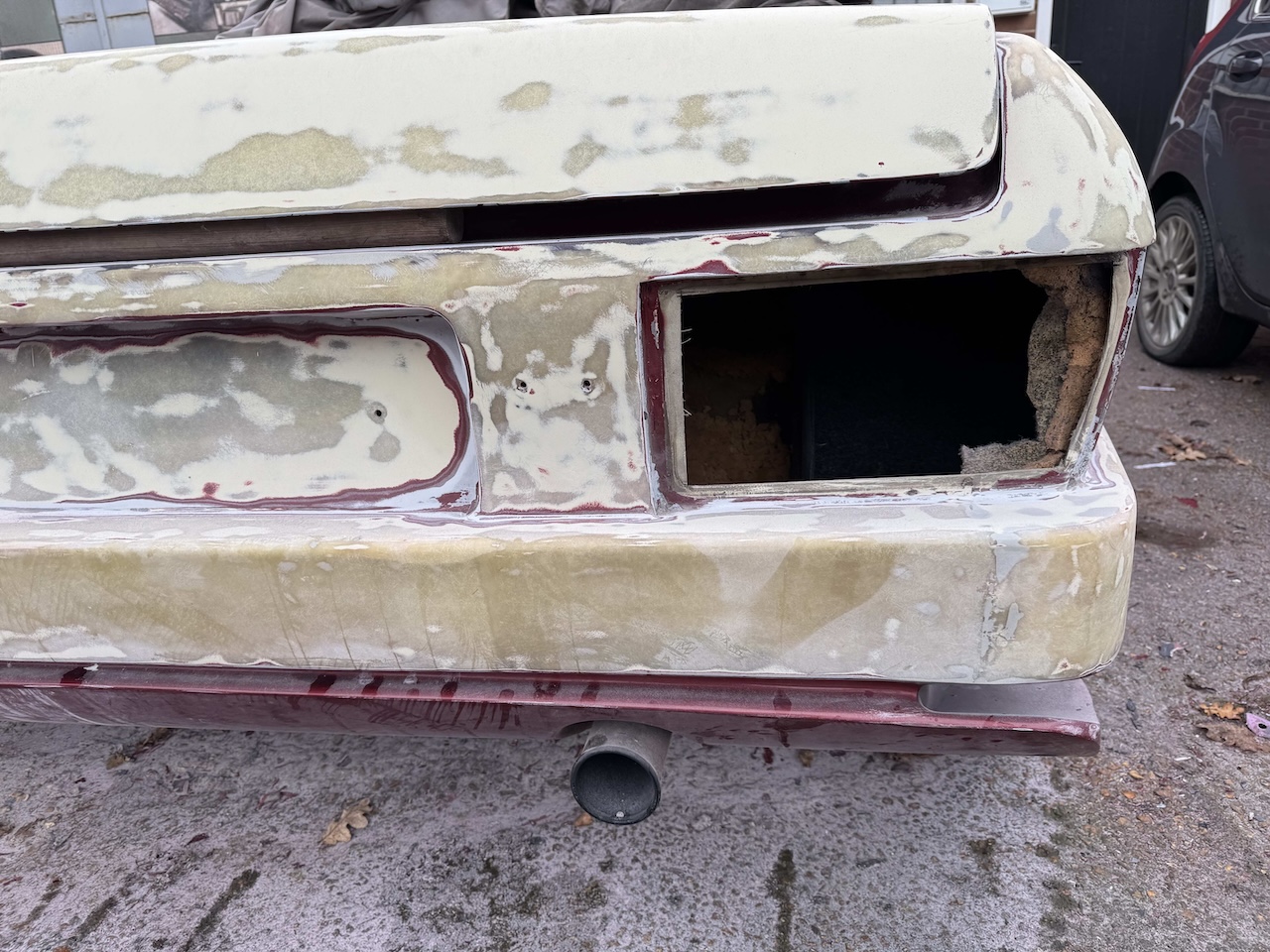
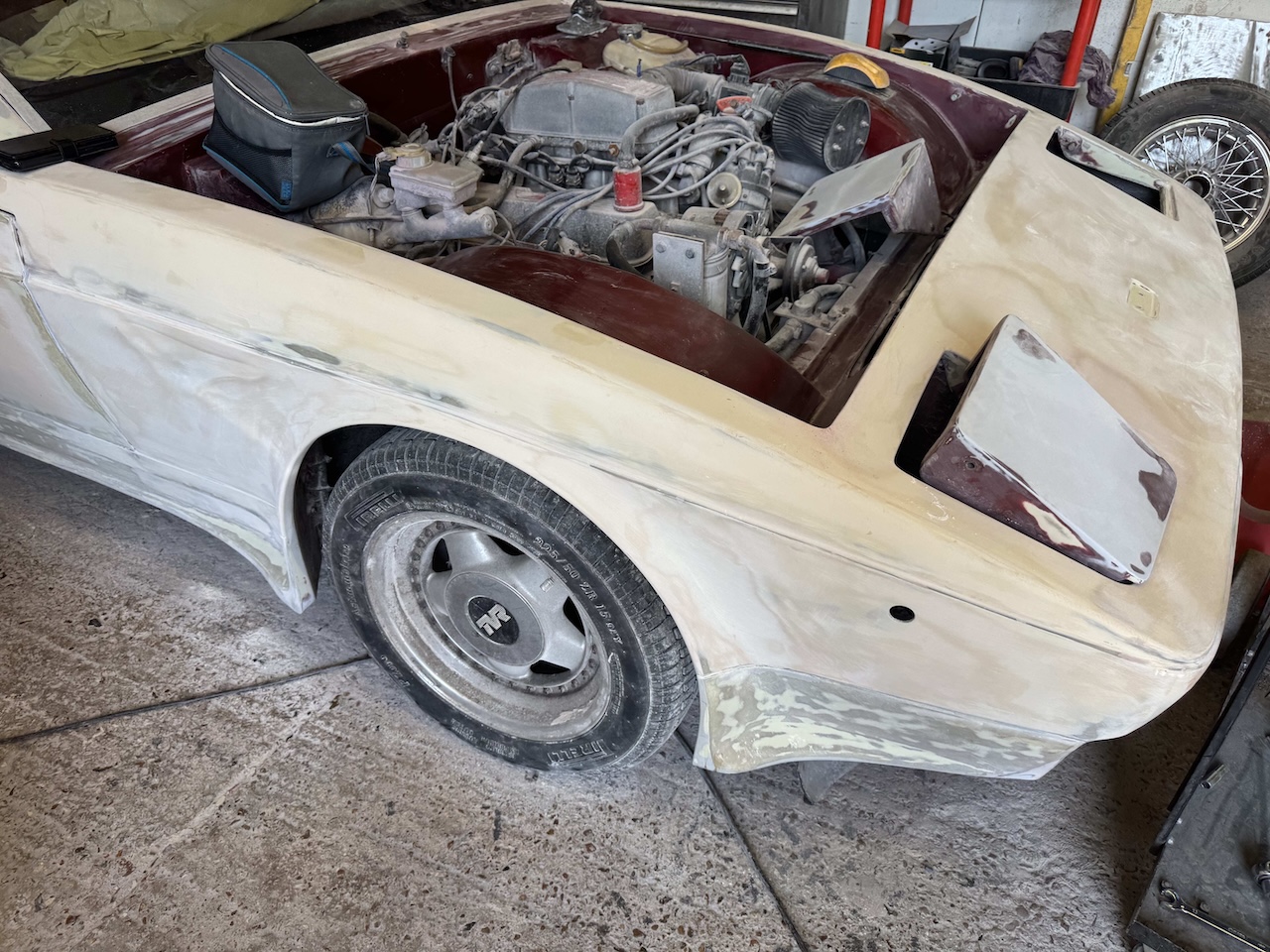
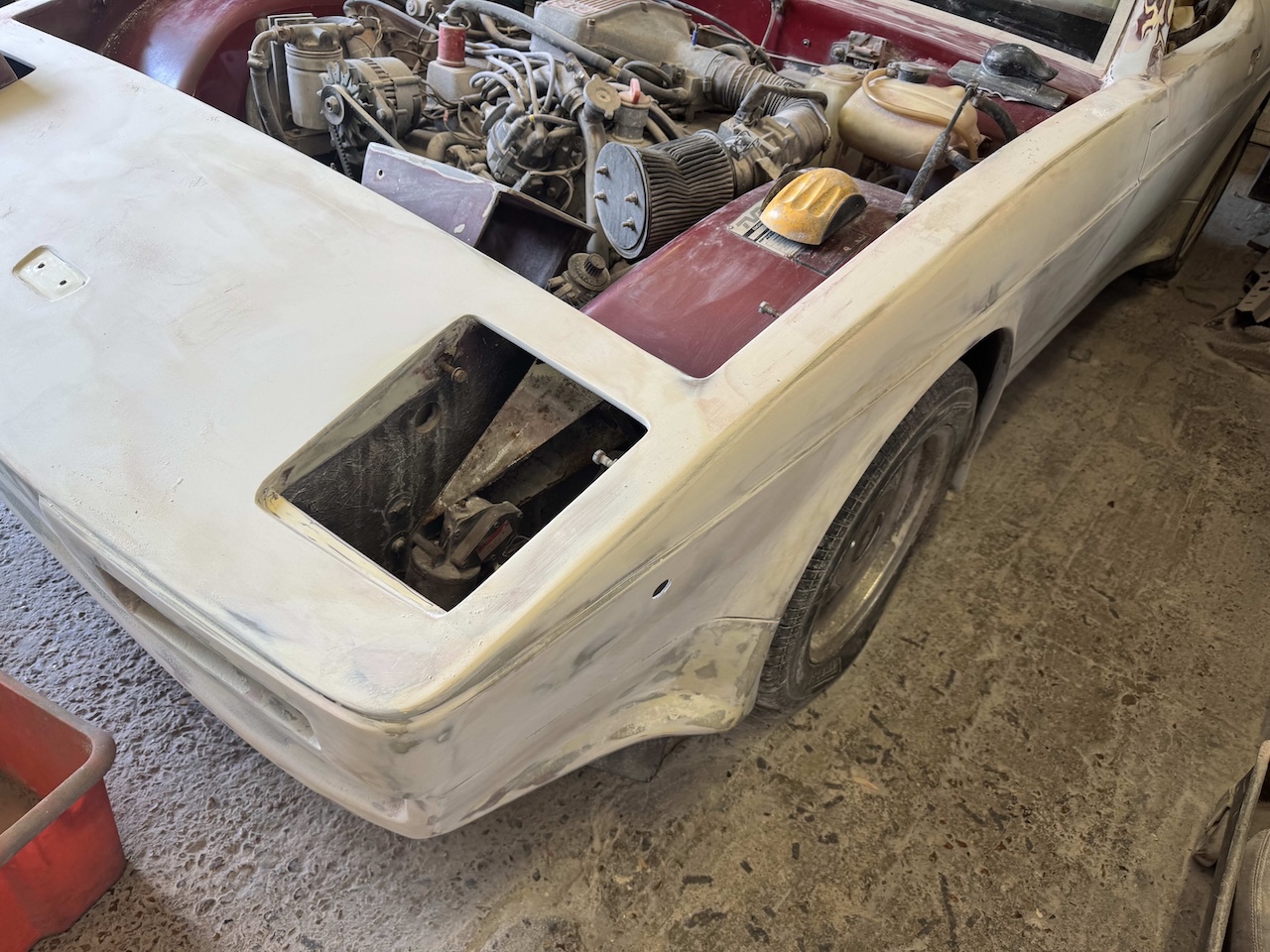
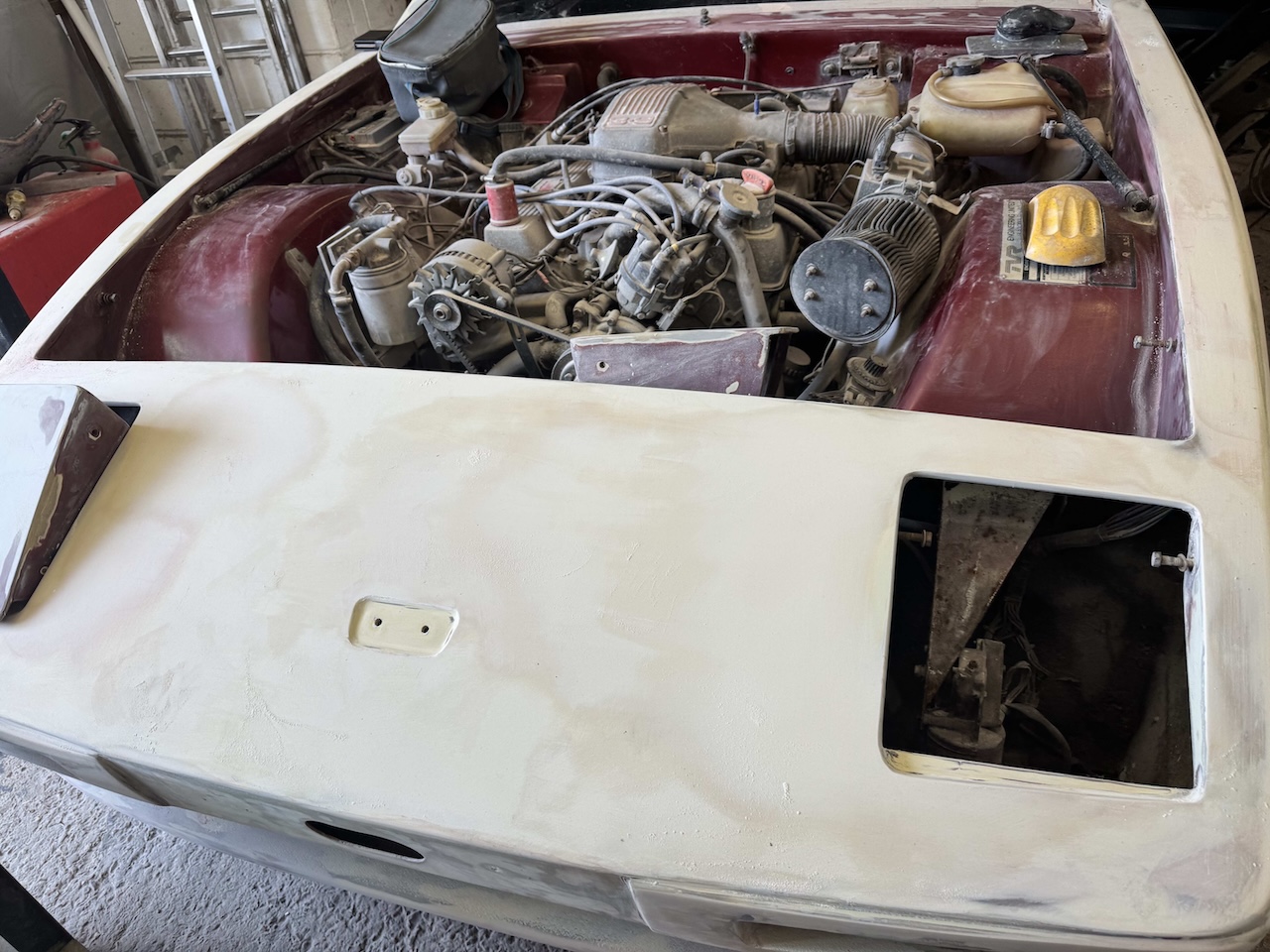
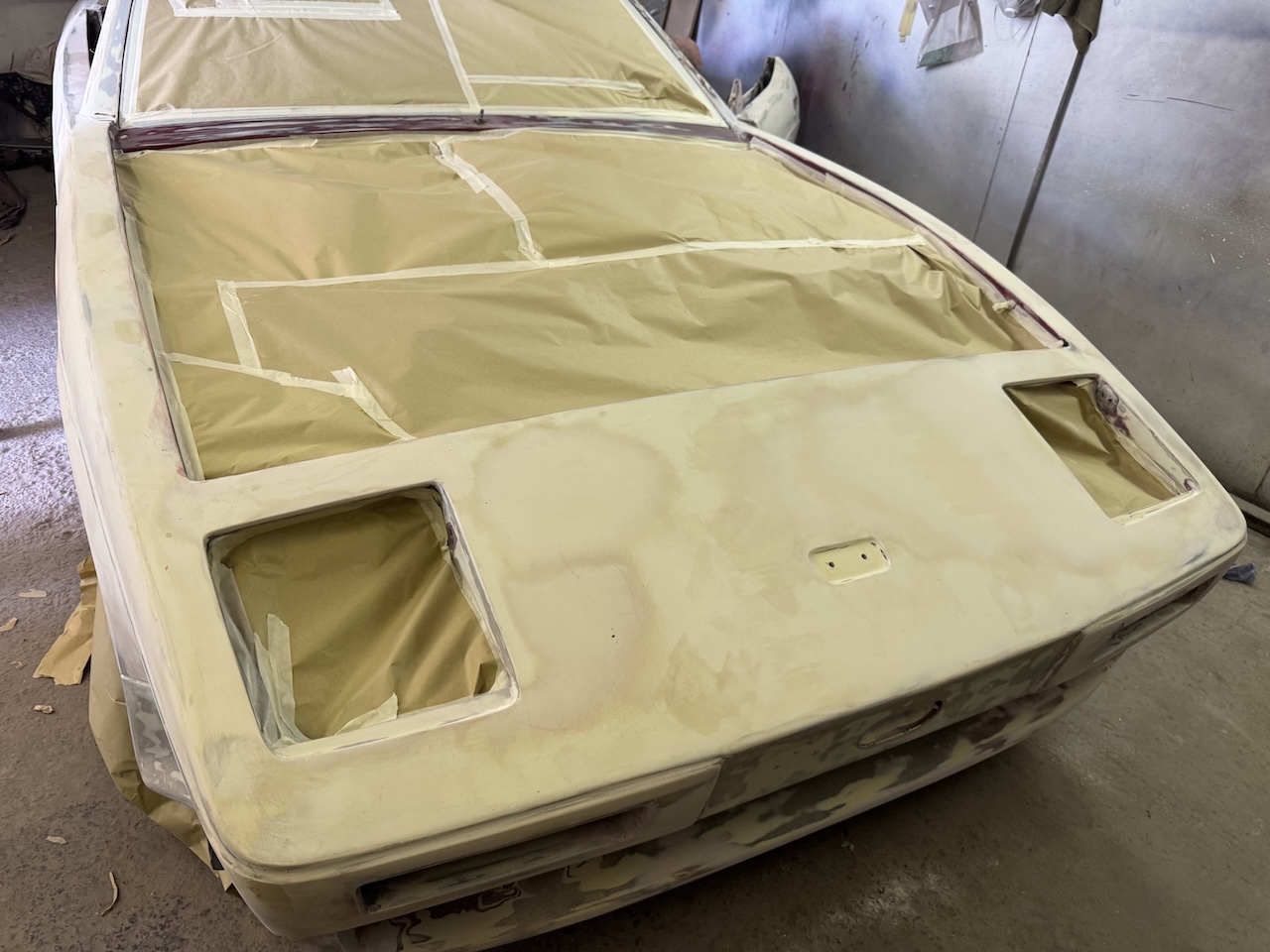
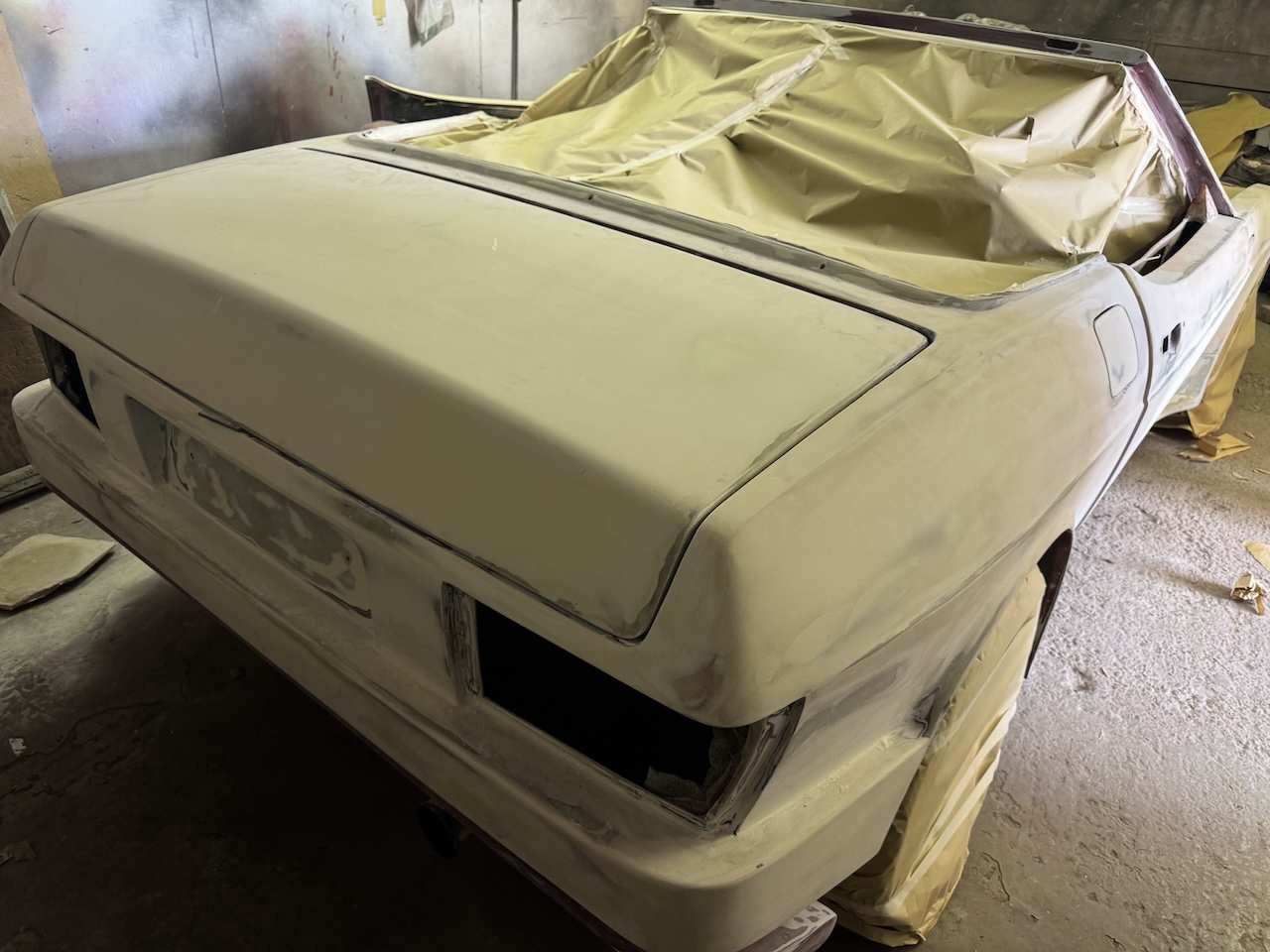
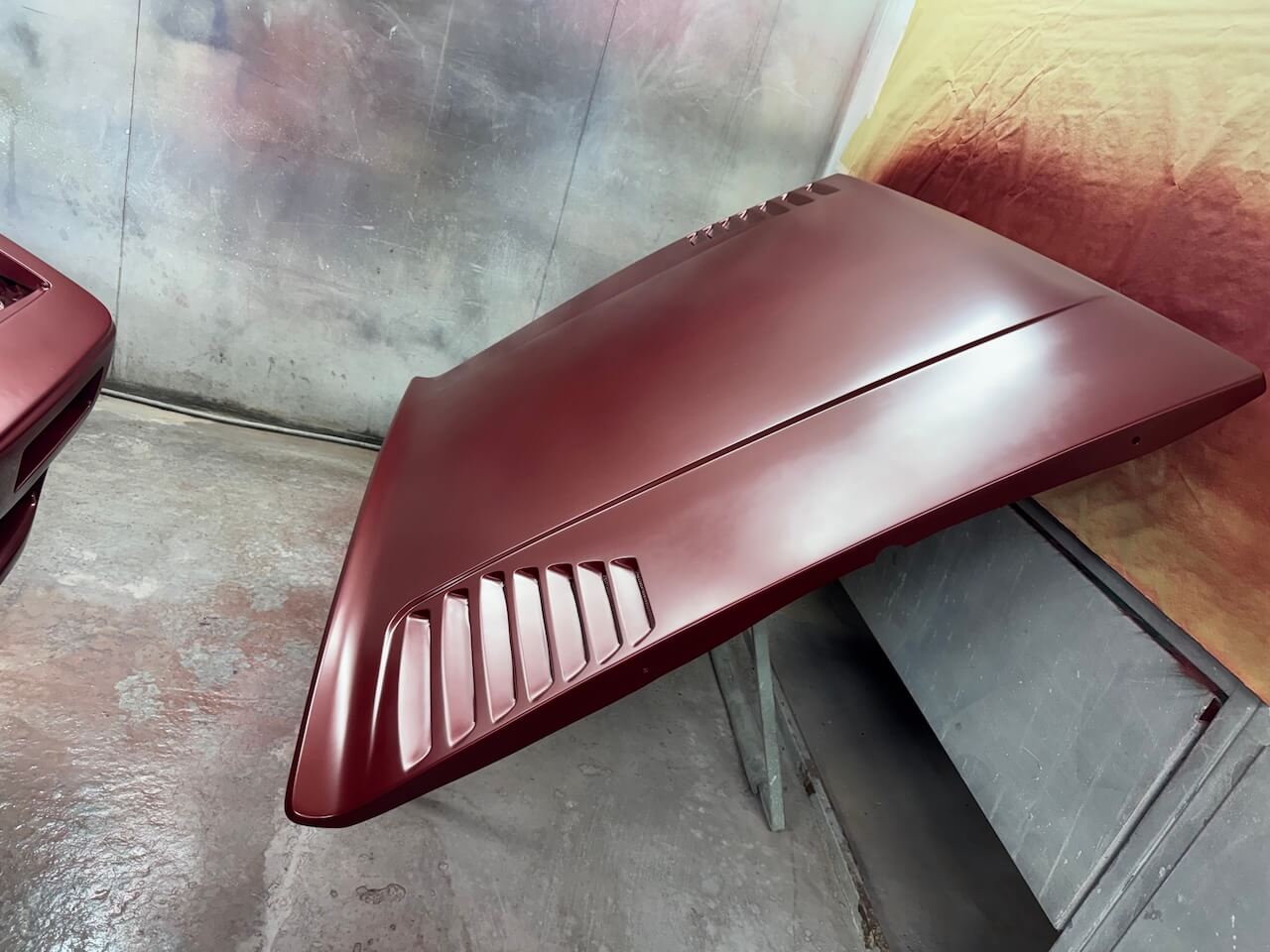
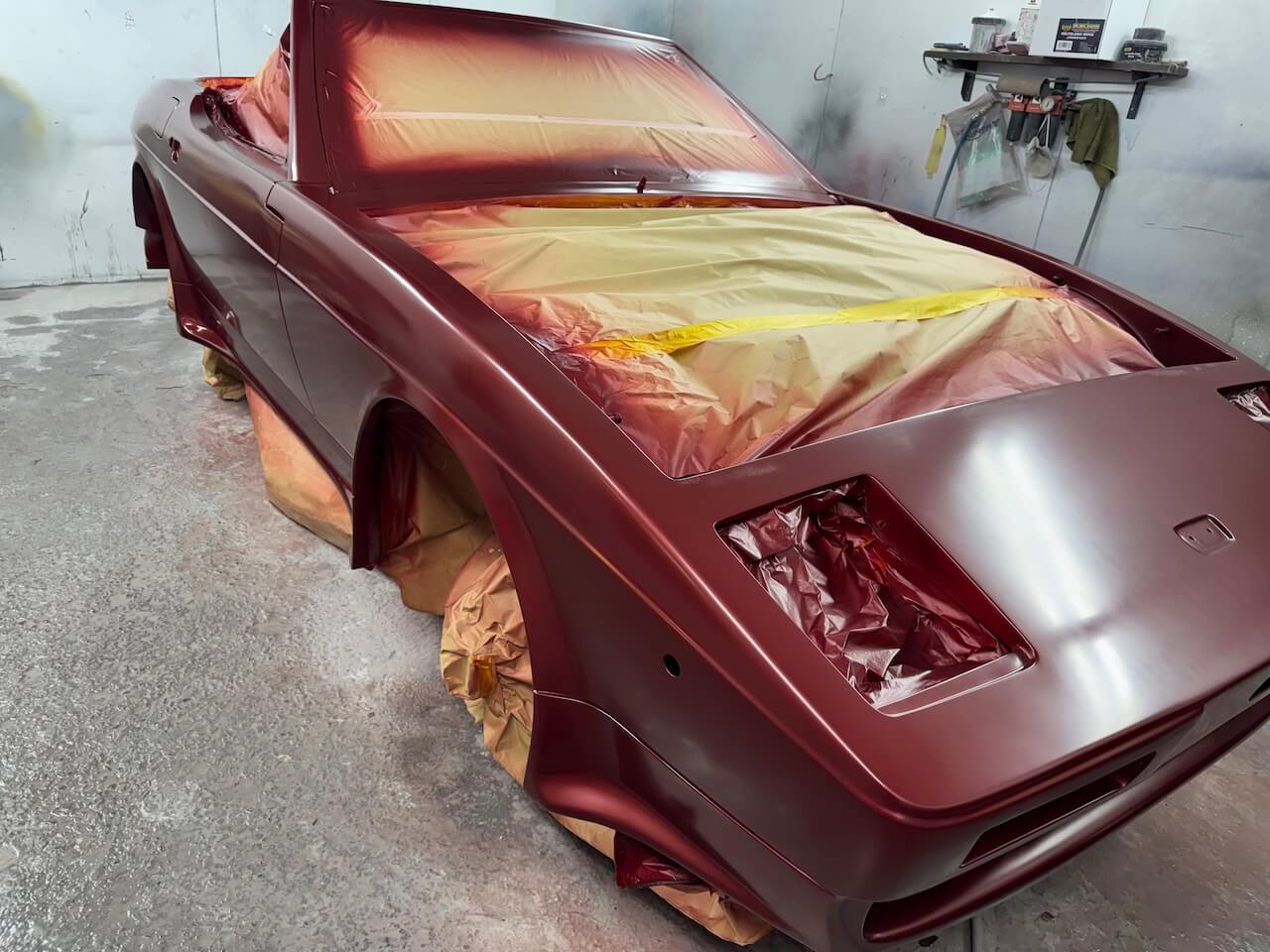
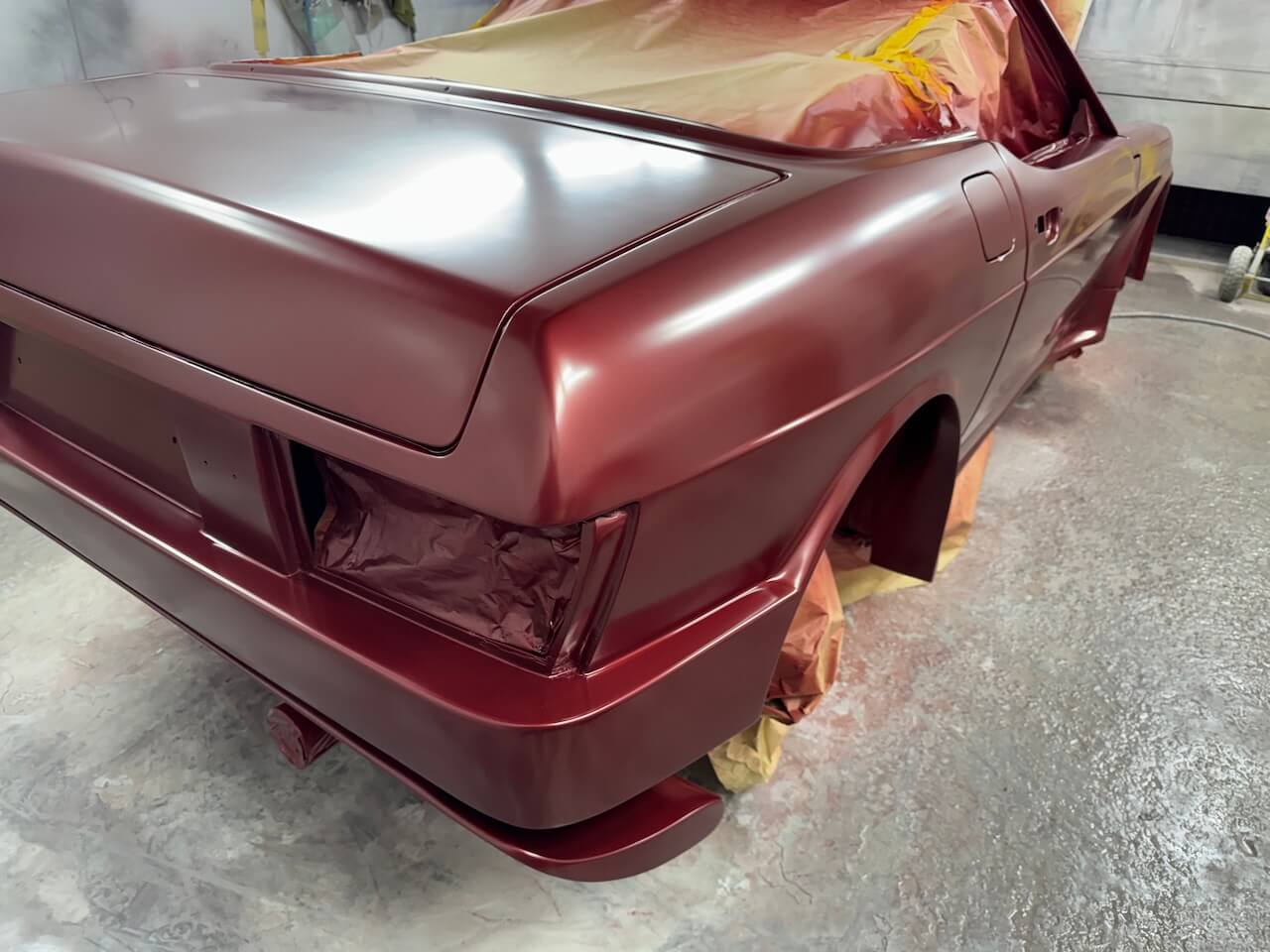
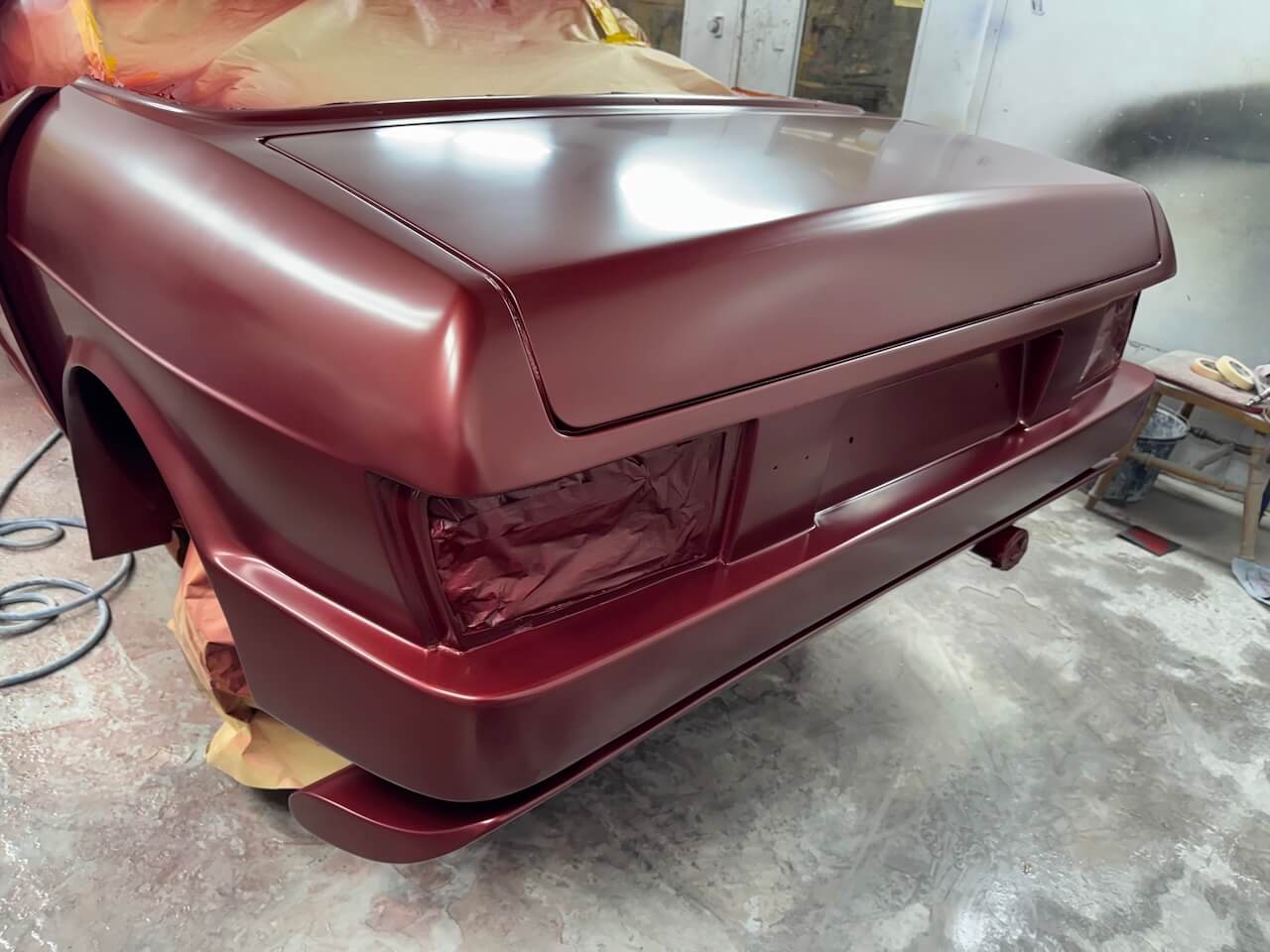
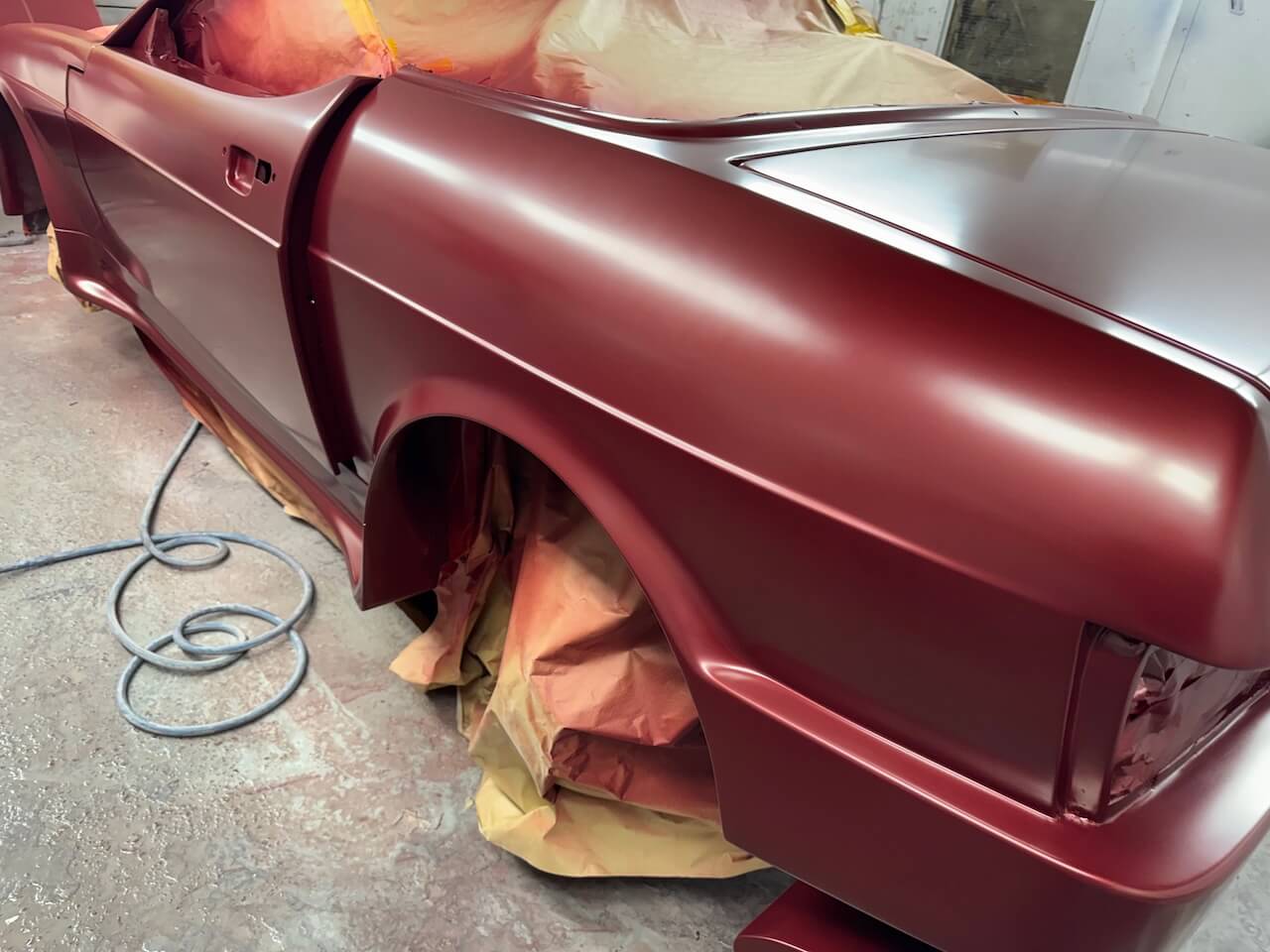
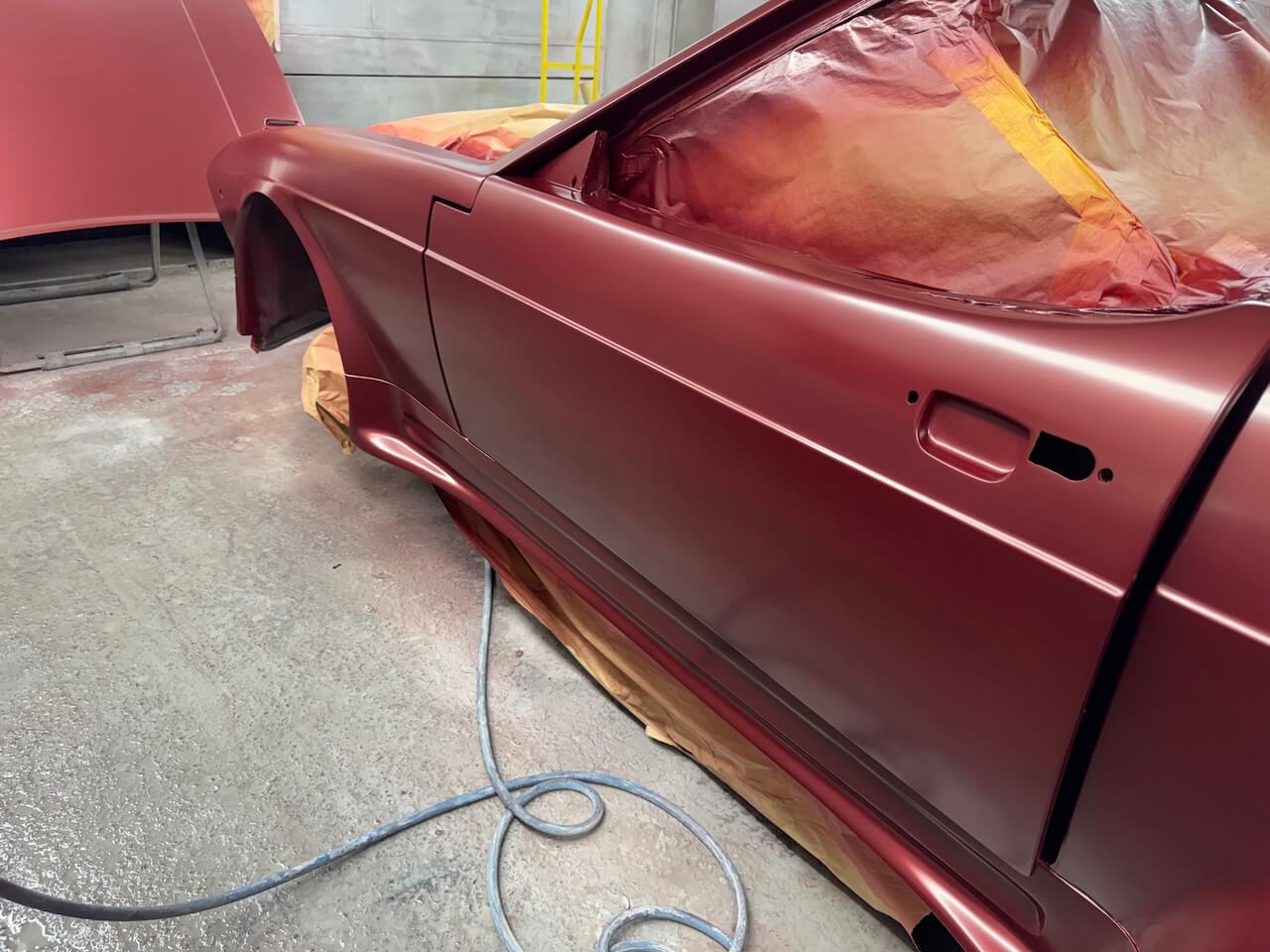
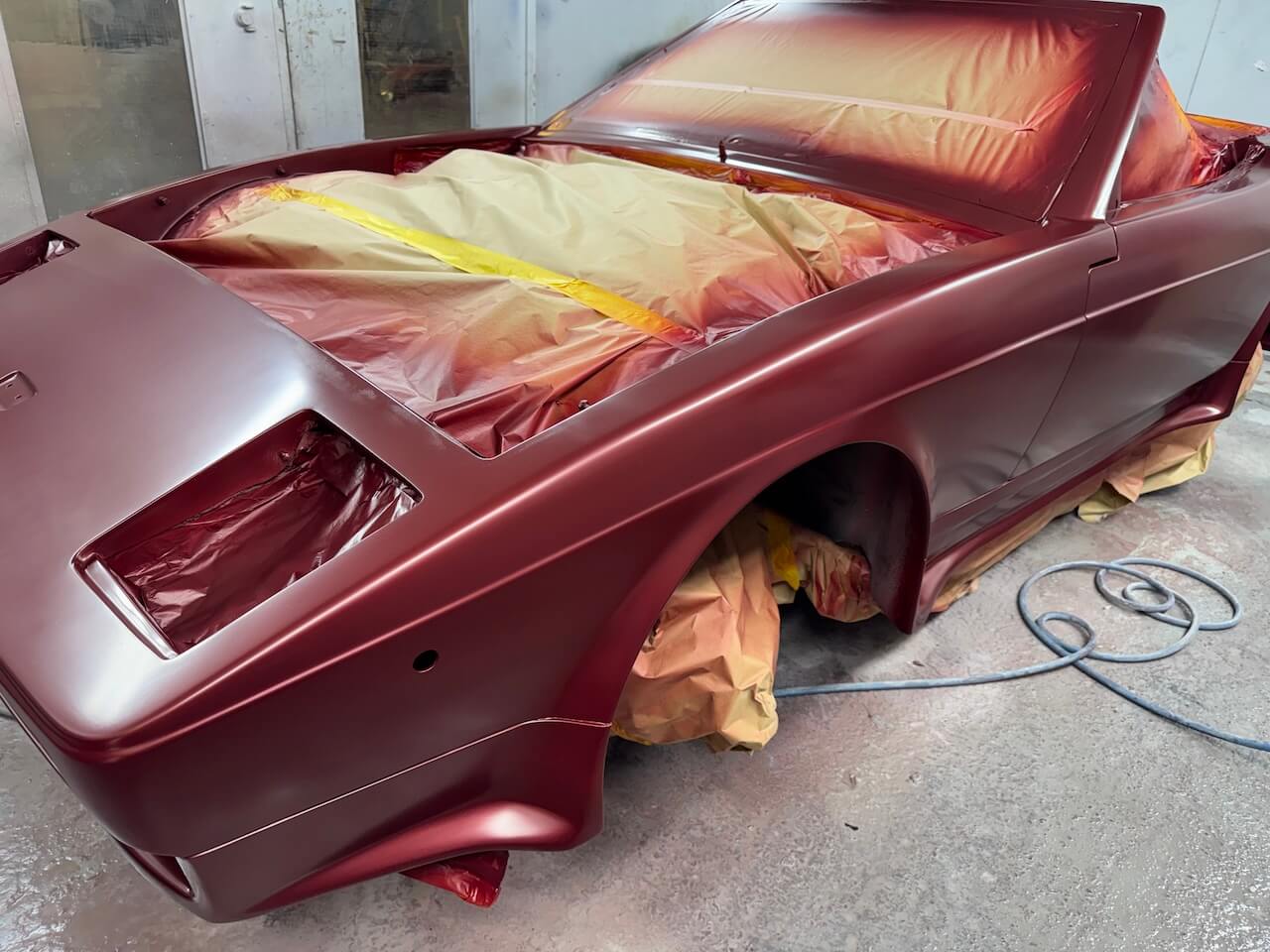
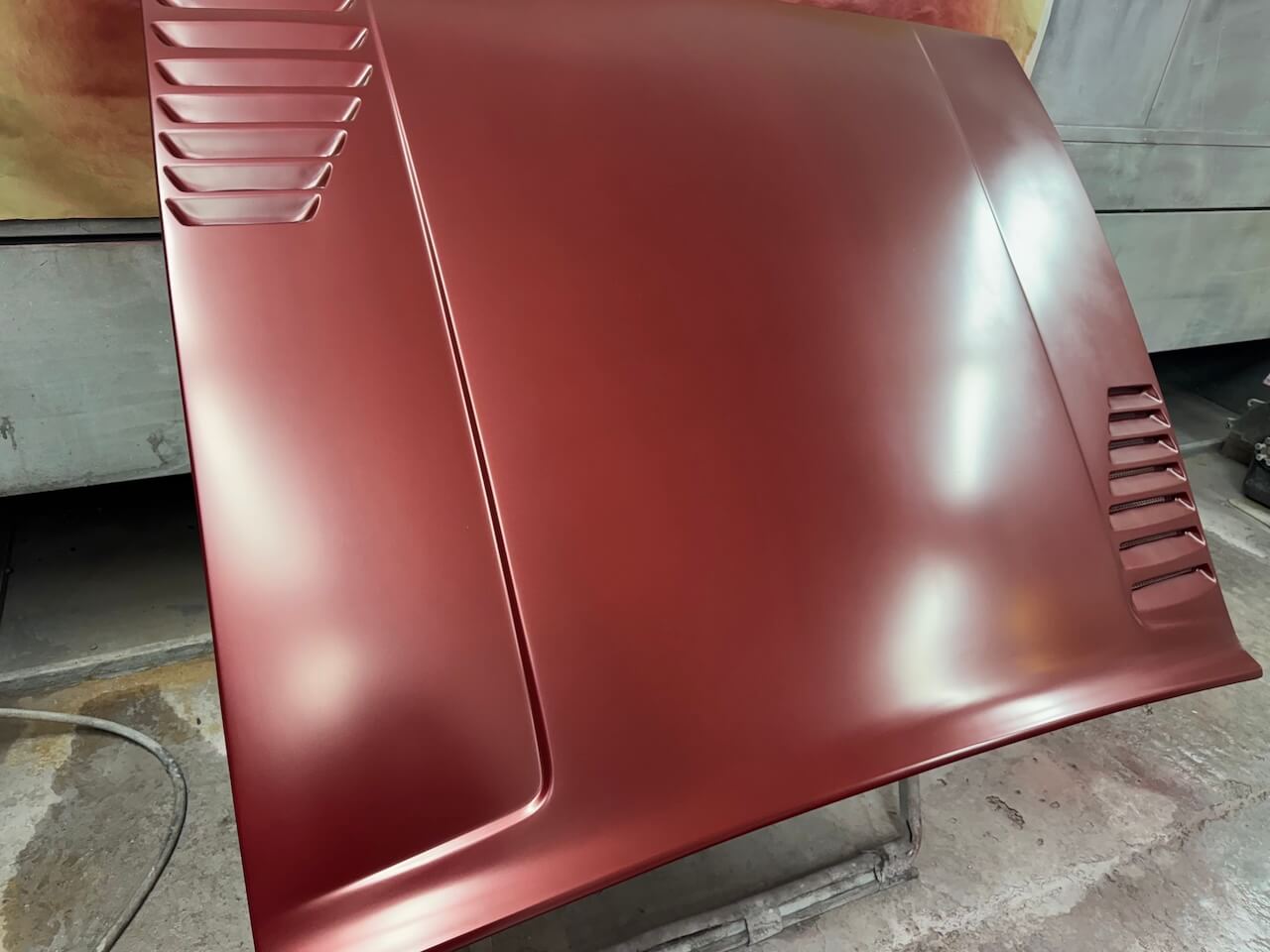
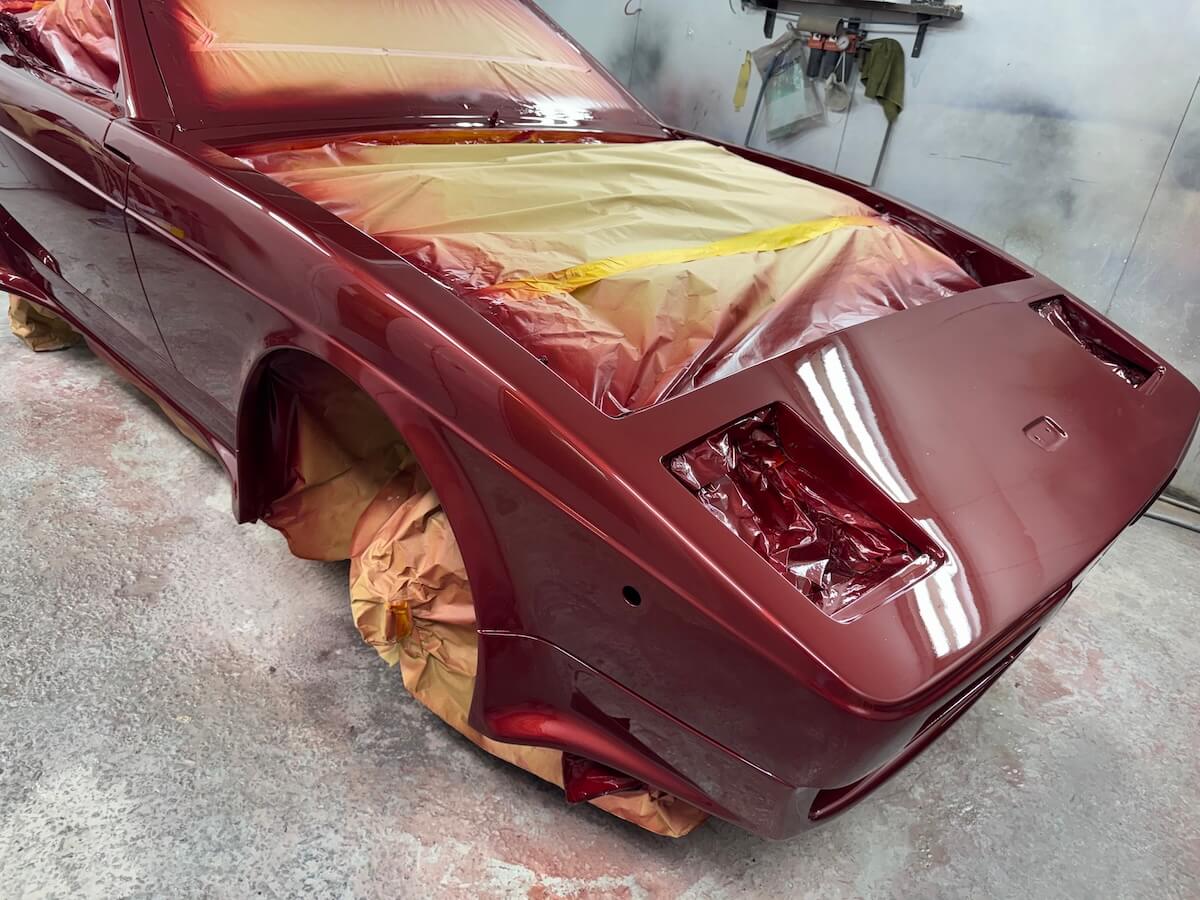
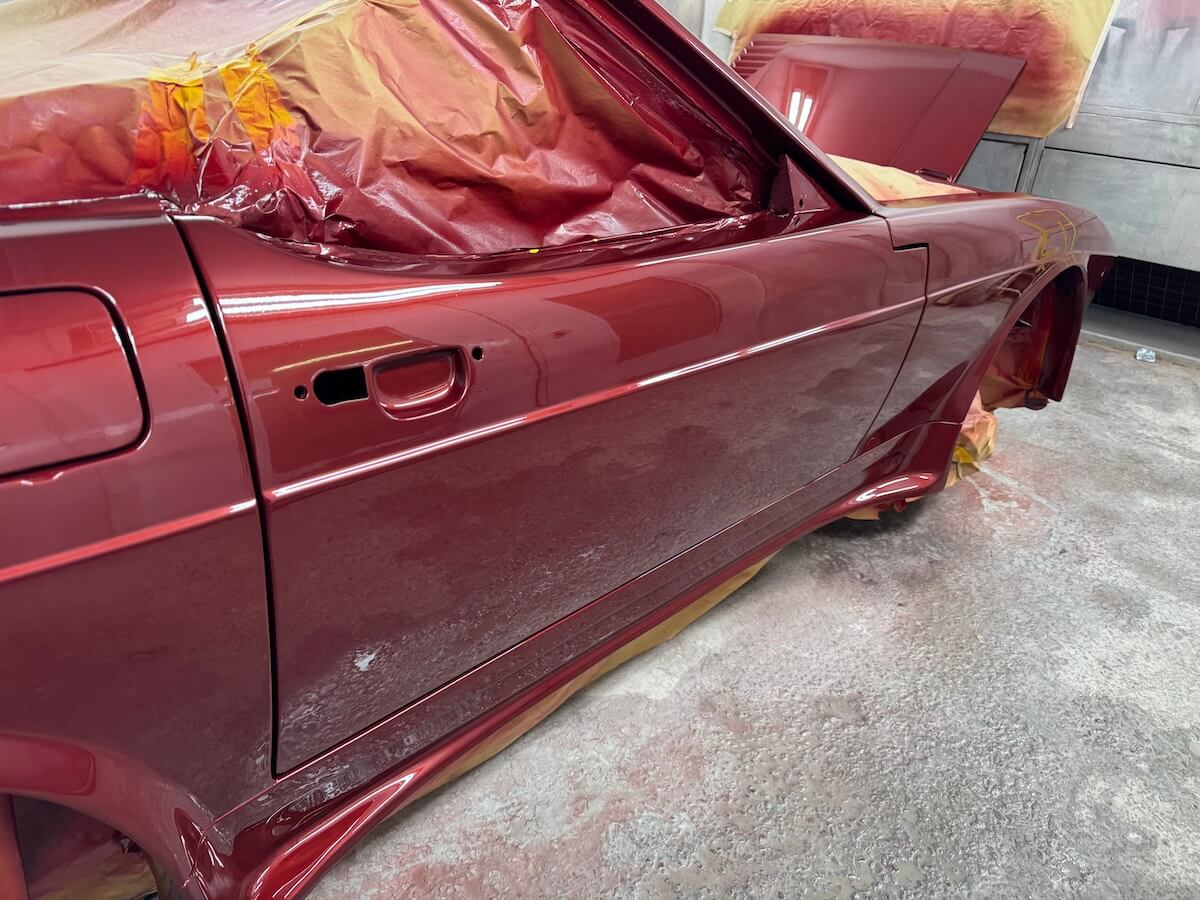
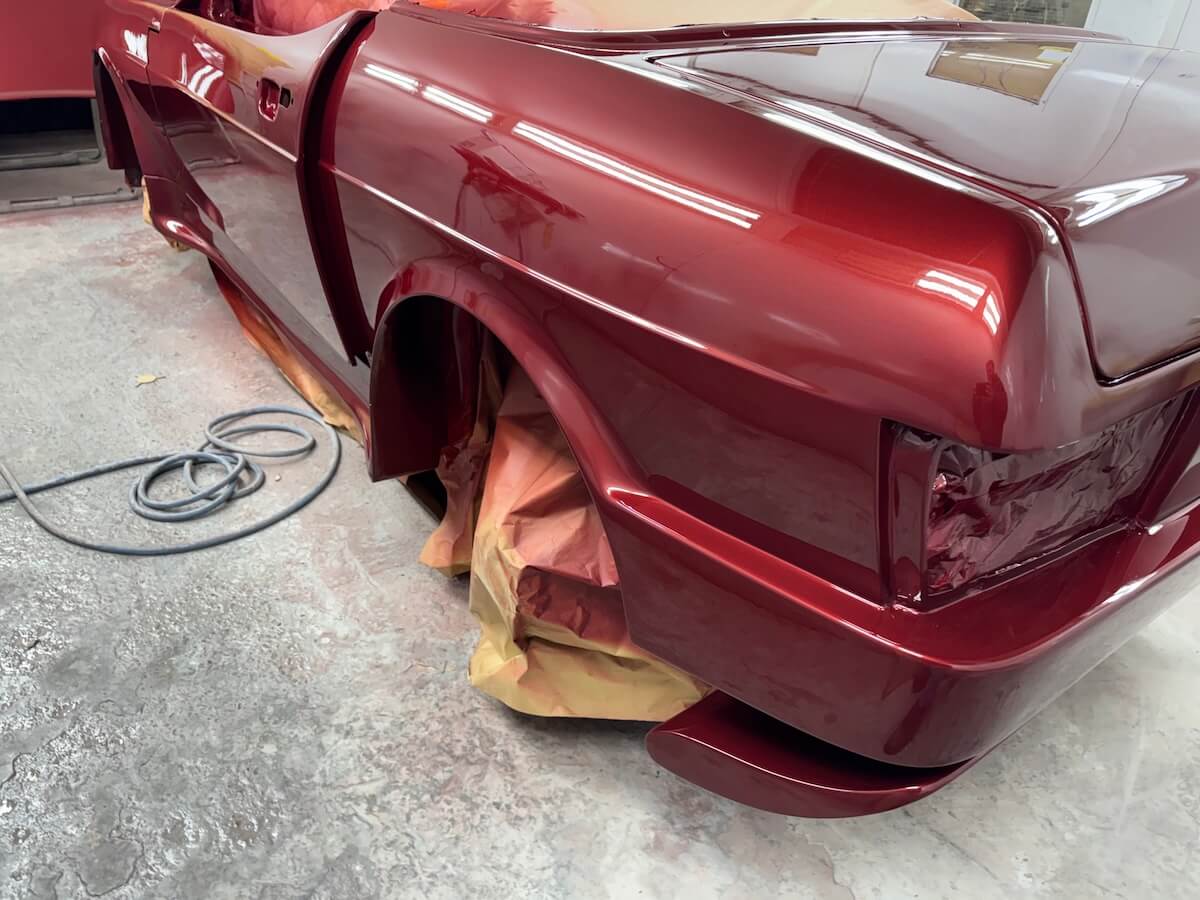
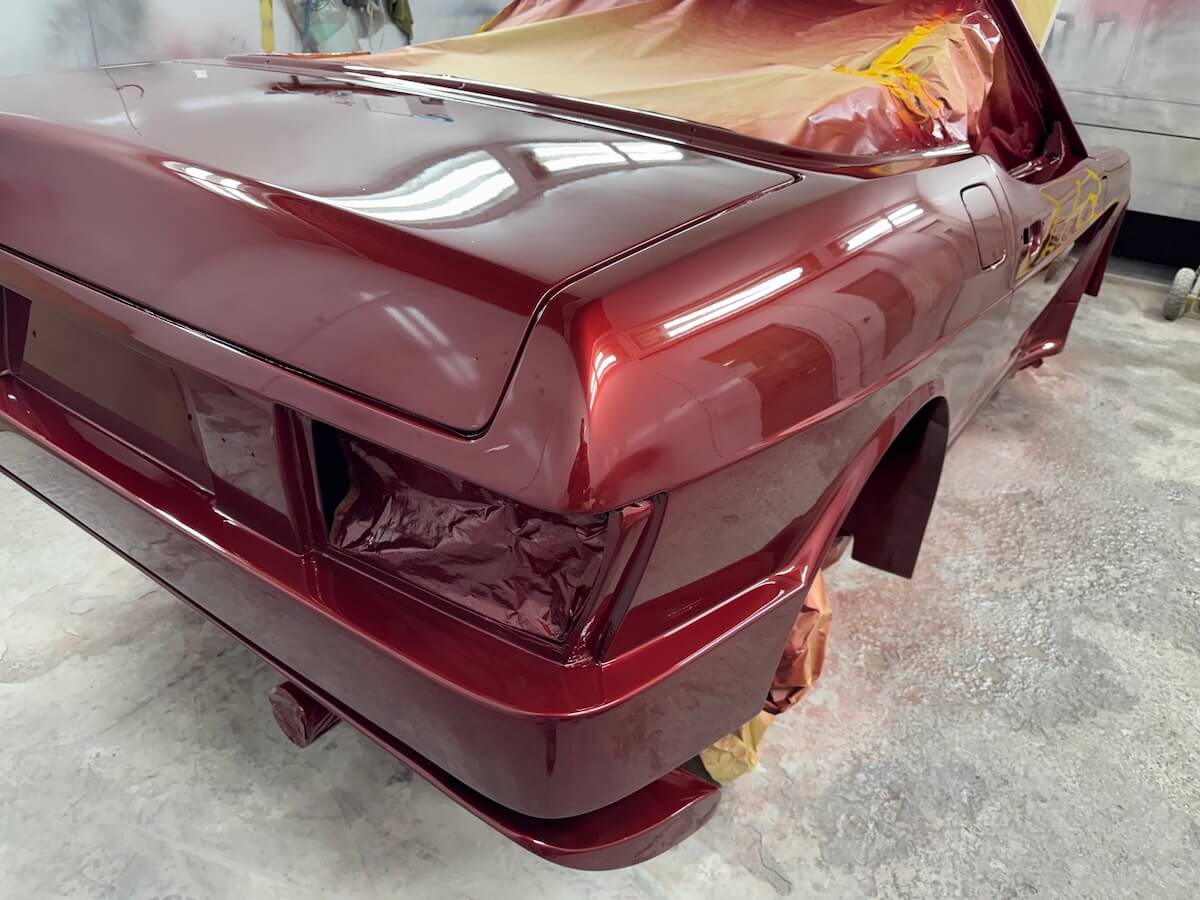
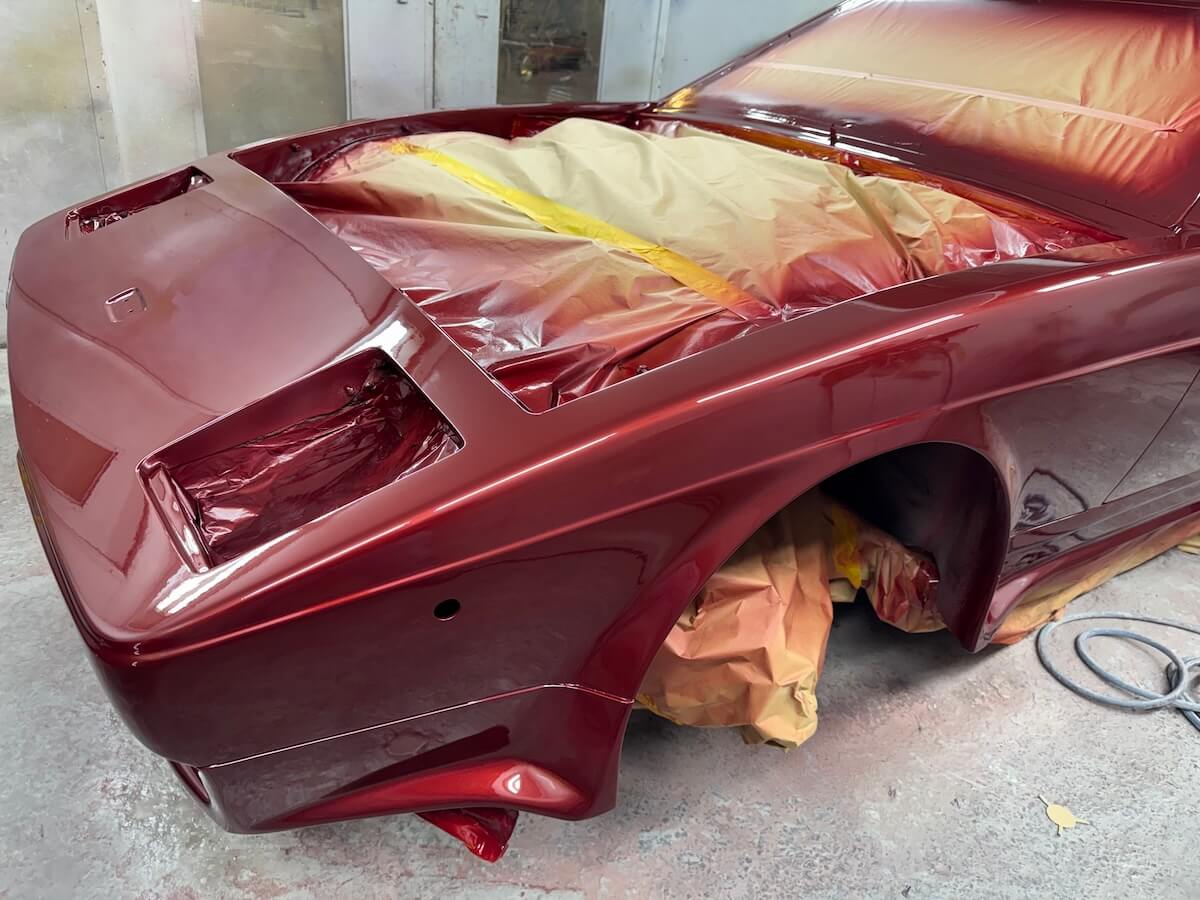
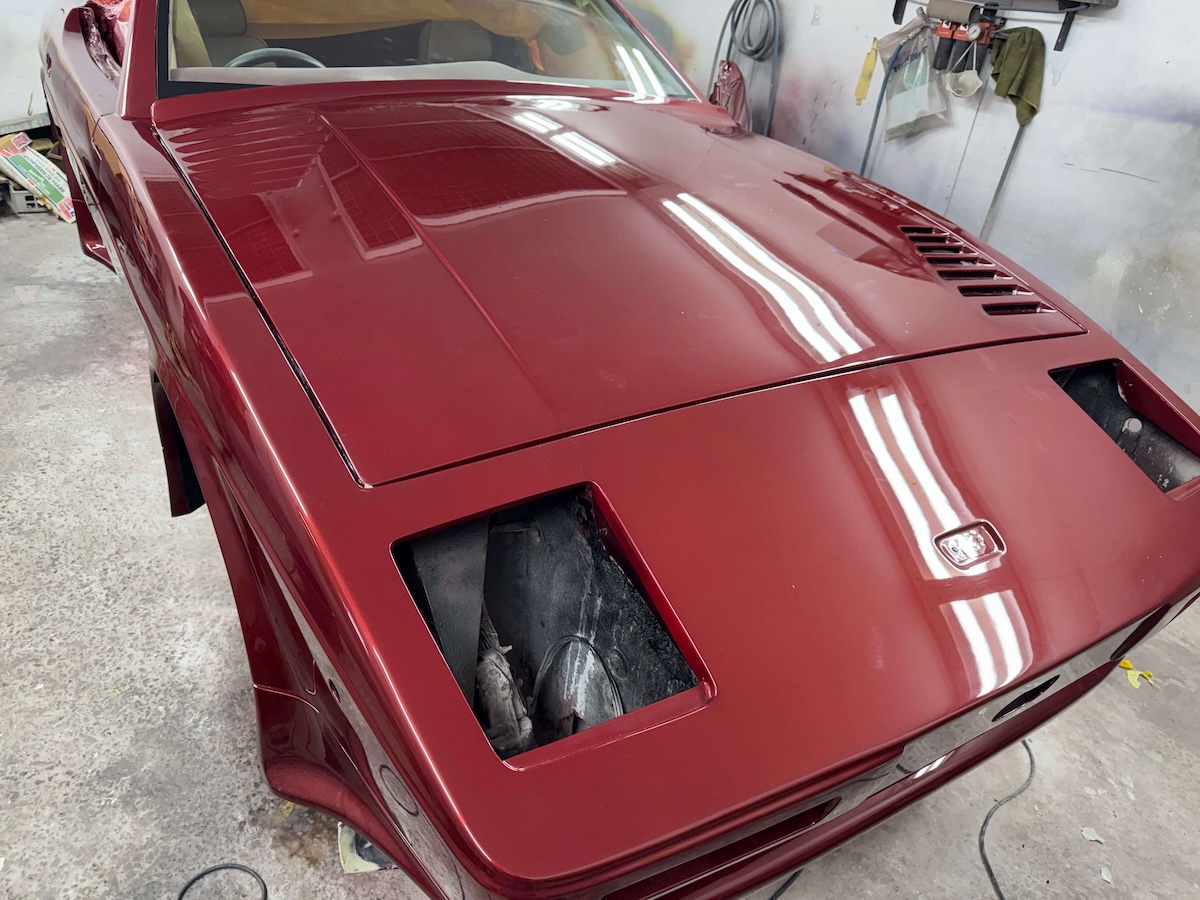
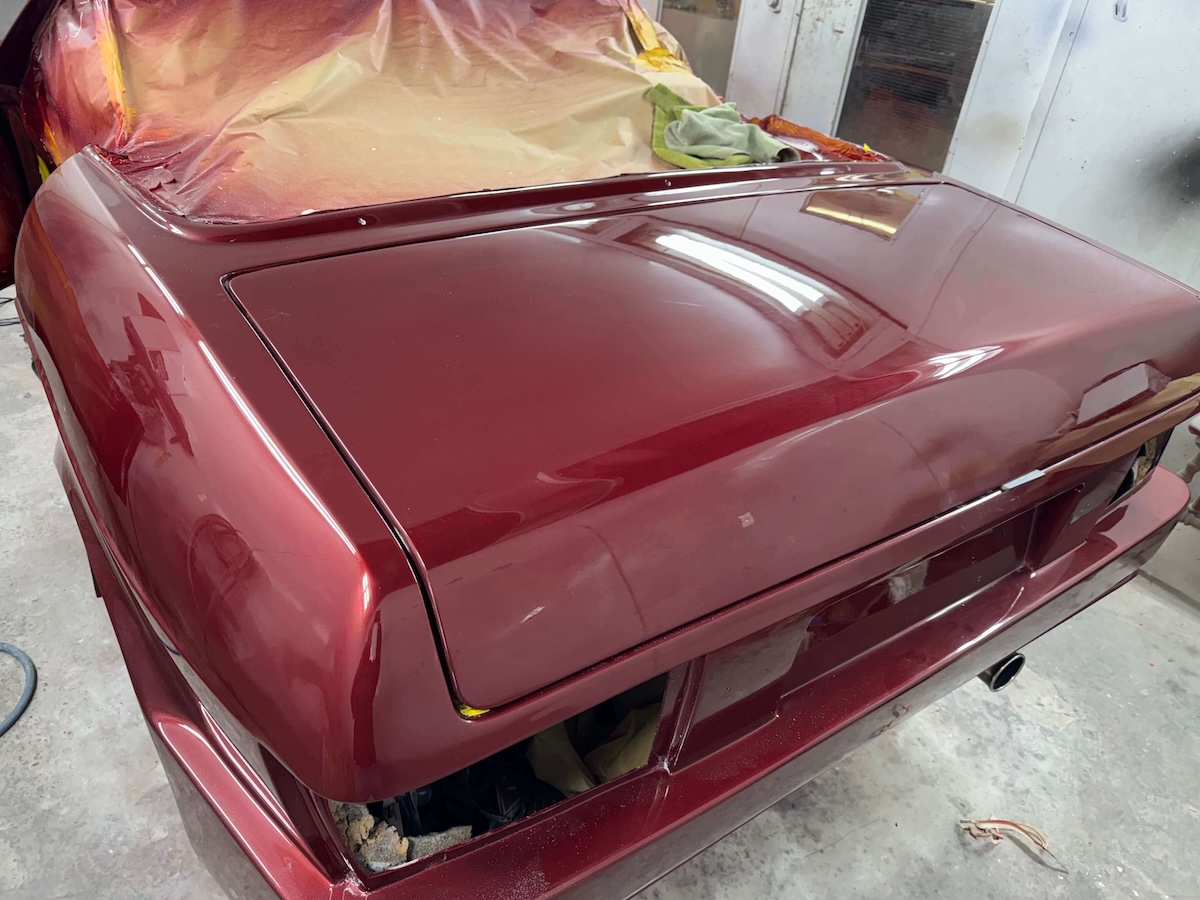
This particular TVR is in with us for bodywork restoration rather than a mechanical overhaul. Like many TVRs of its era, the chassis and drivetrain may still be fundamentally sound, but the body has started to show its age. That’s not unusual.
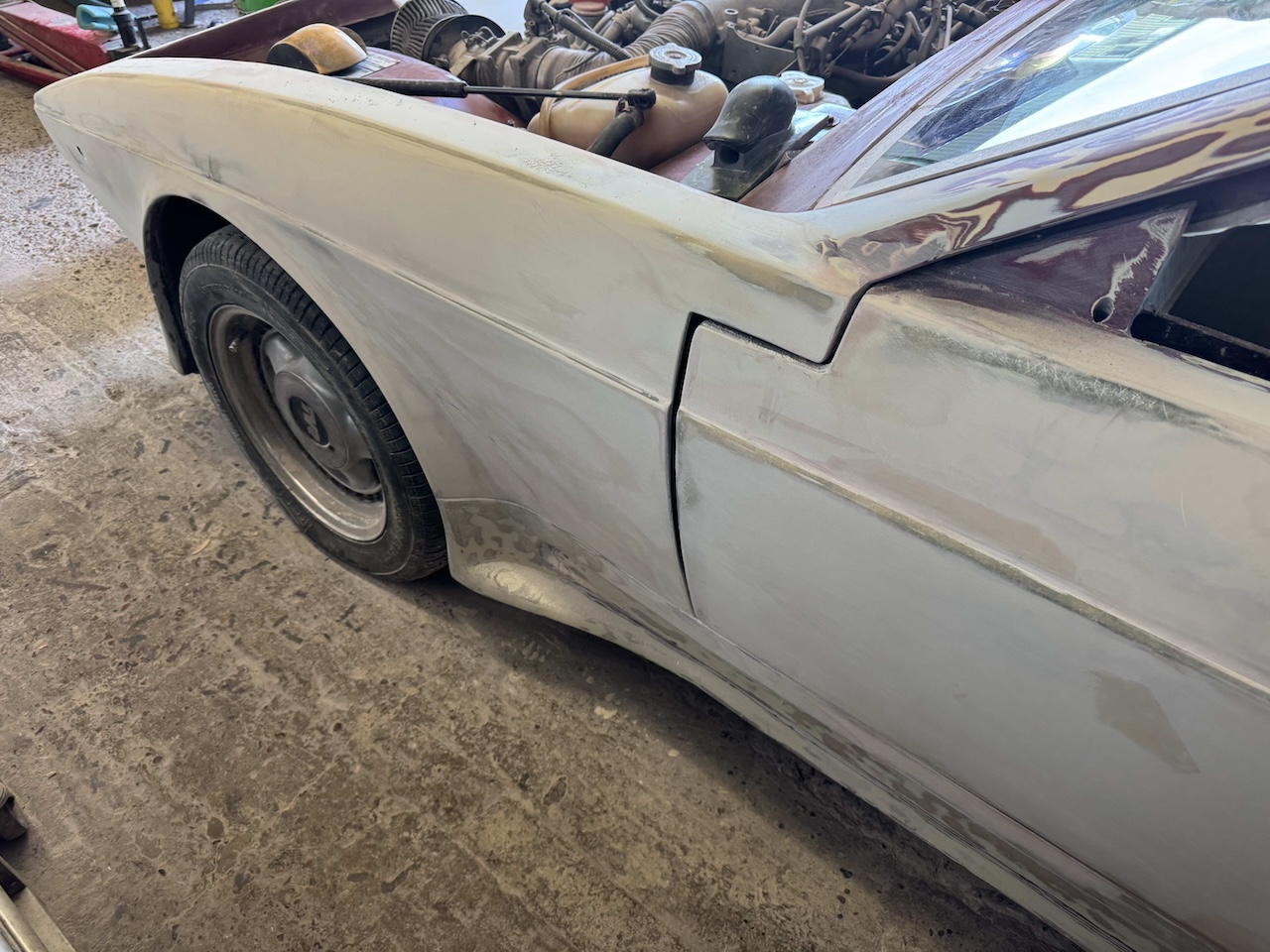
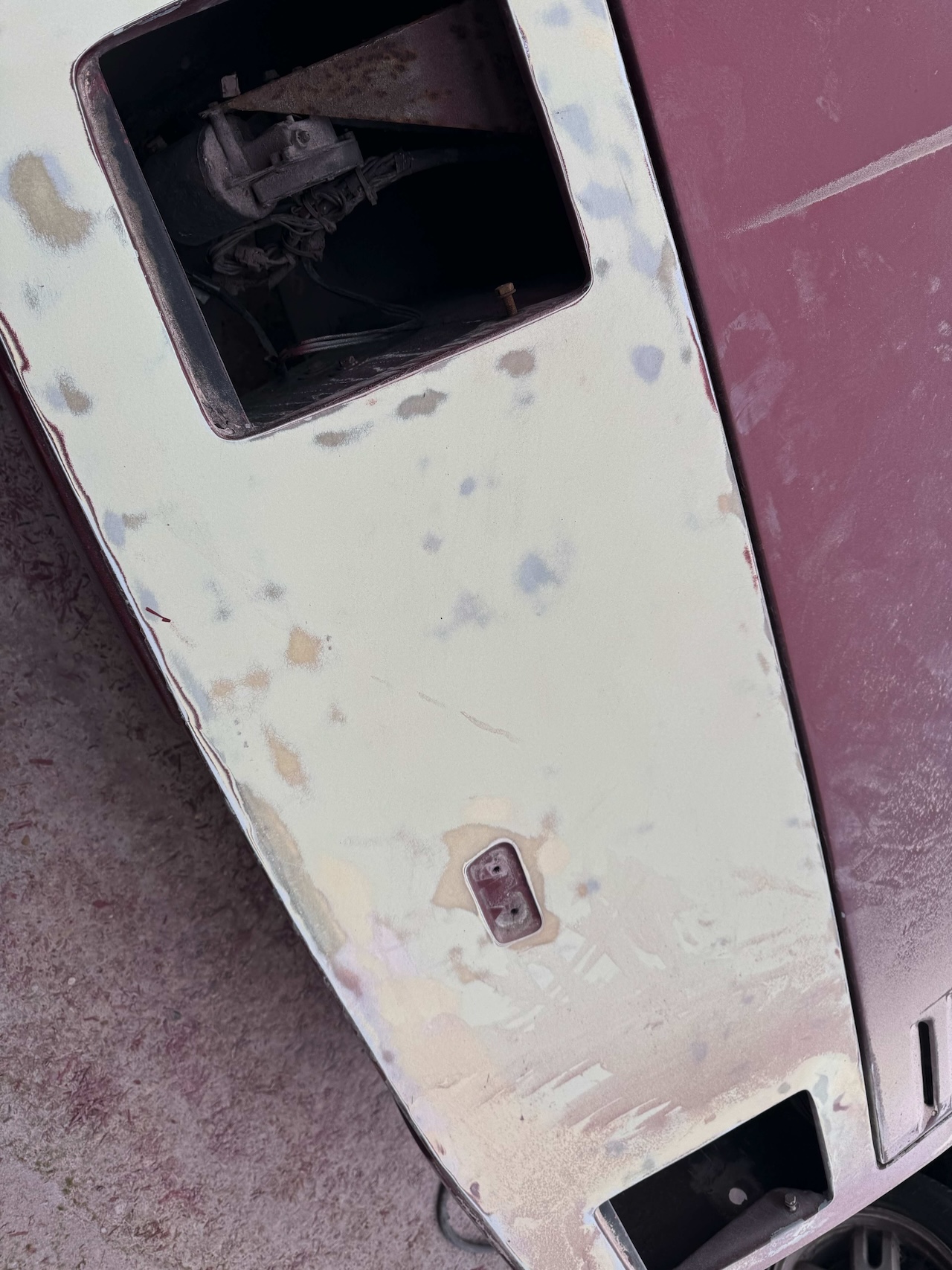
Most people don’t realise that TVR bodies are made of glass fibre rather than steel or aluminium. That brings advantages in terms of weight and corrosion resistance, but it also creates its own set of challenges. Over time, we often see stress cracks around panel edges, crazing in the gel coat, previous repairs that weren’t keyed properly, and paint finishes that have sunk or reacted years after being applied.
Glass fibre moves differently from metal. It flexes, especially on a performance car with a firm suspension setup. If repairs are rushed or the materials aren’t compatible, cracks tend to recur. In practice, many TVRs we see have had cosmetic work done at some point in their lives that looked good initially but hasn’t lasted.
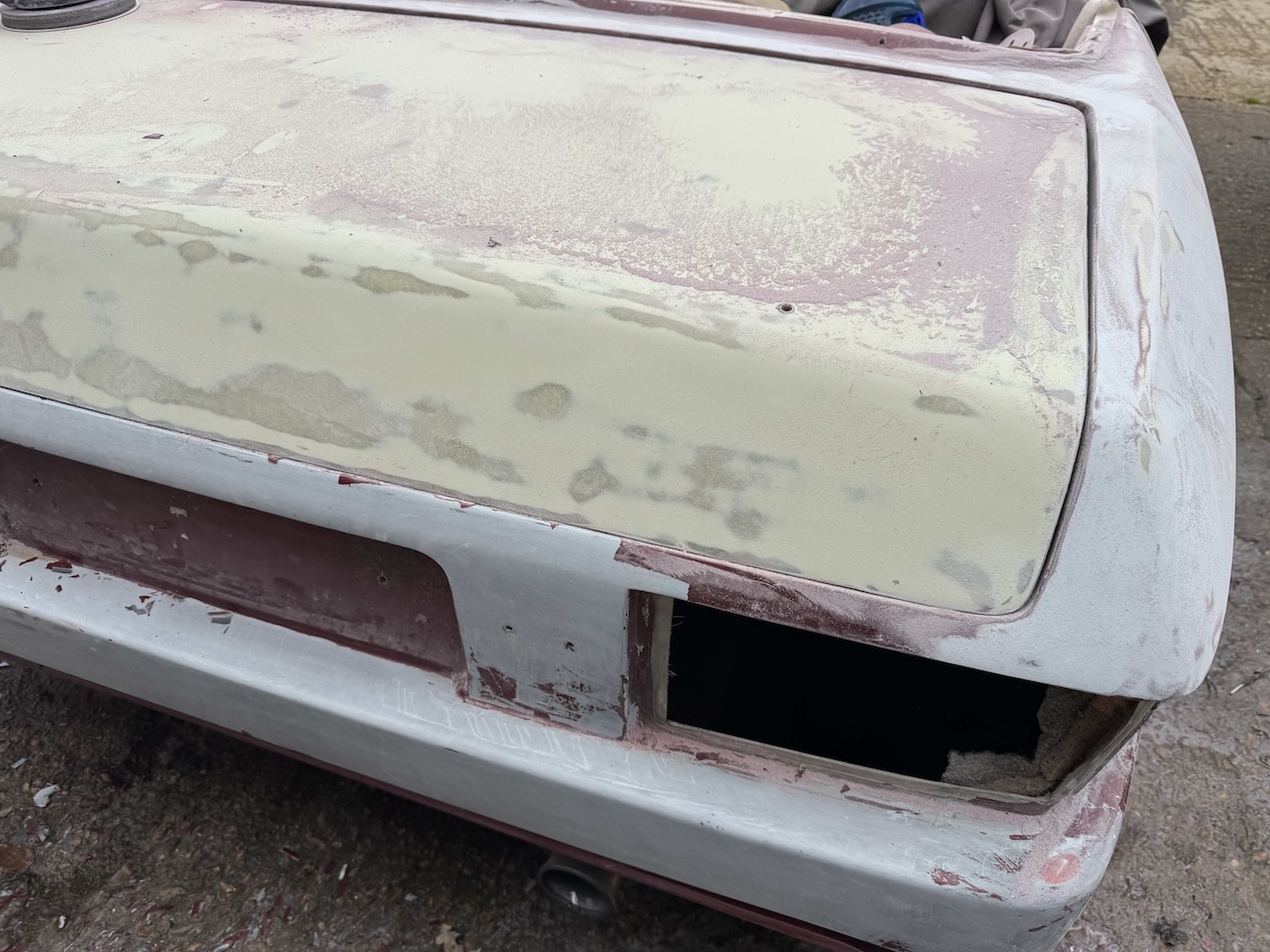
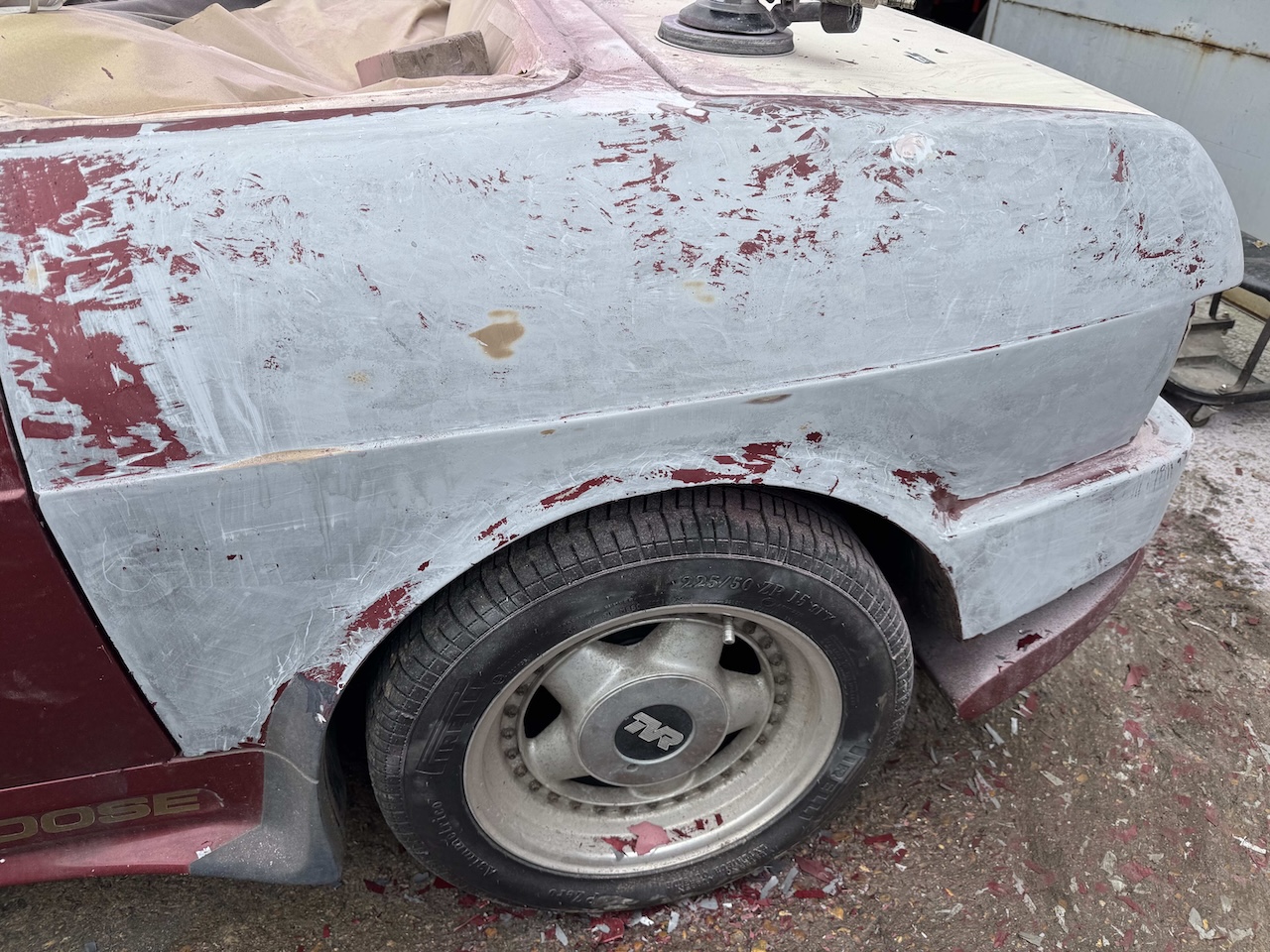
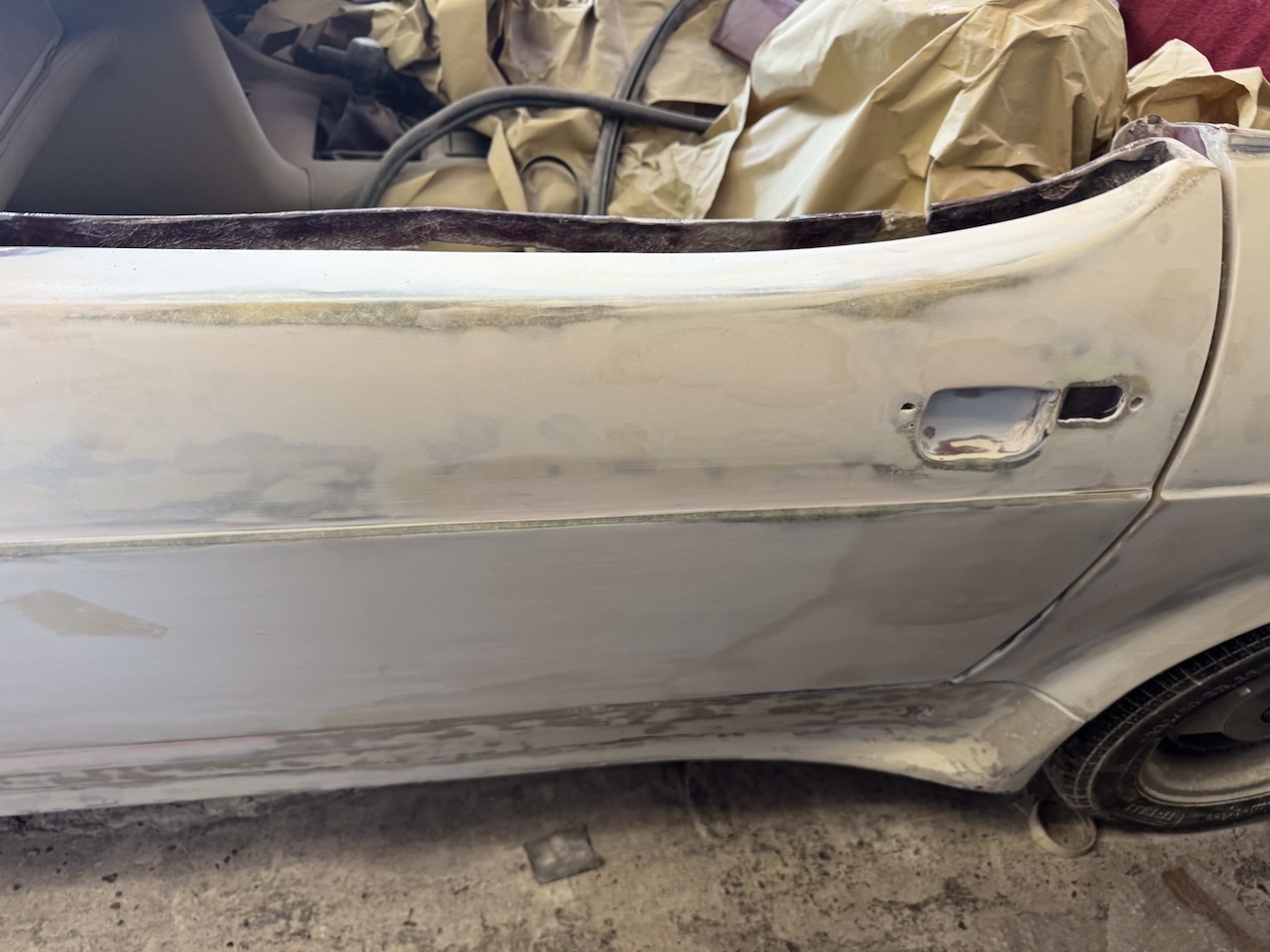
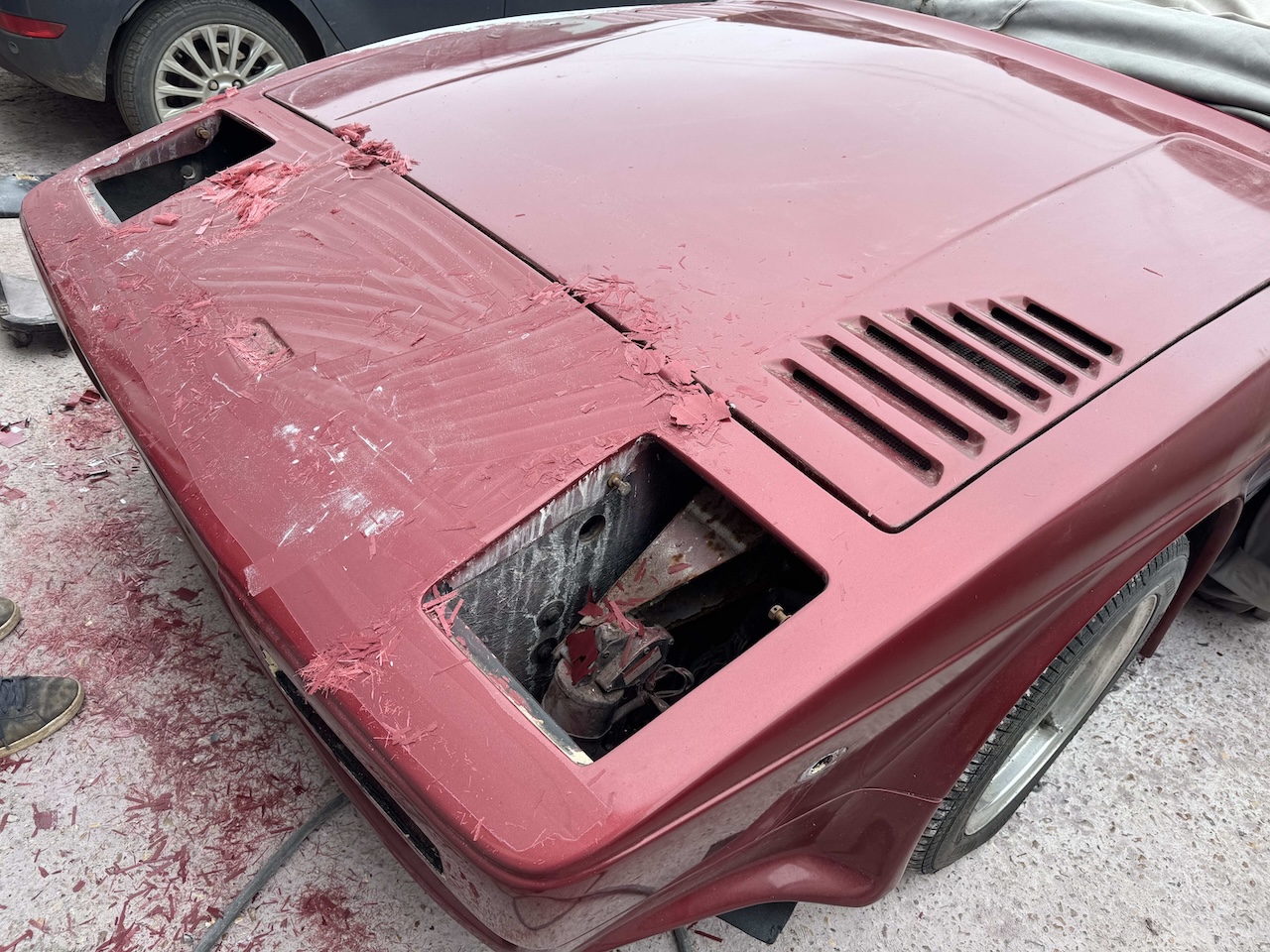
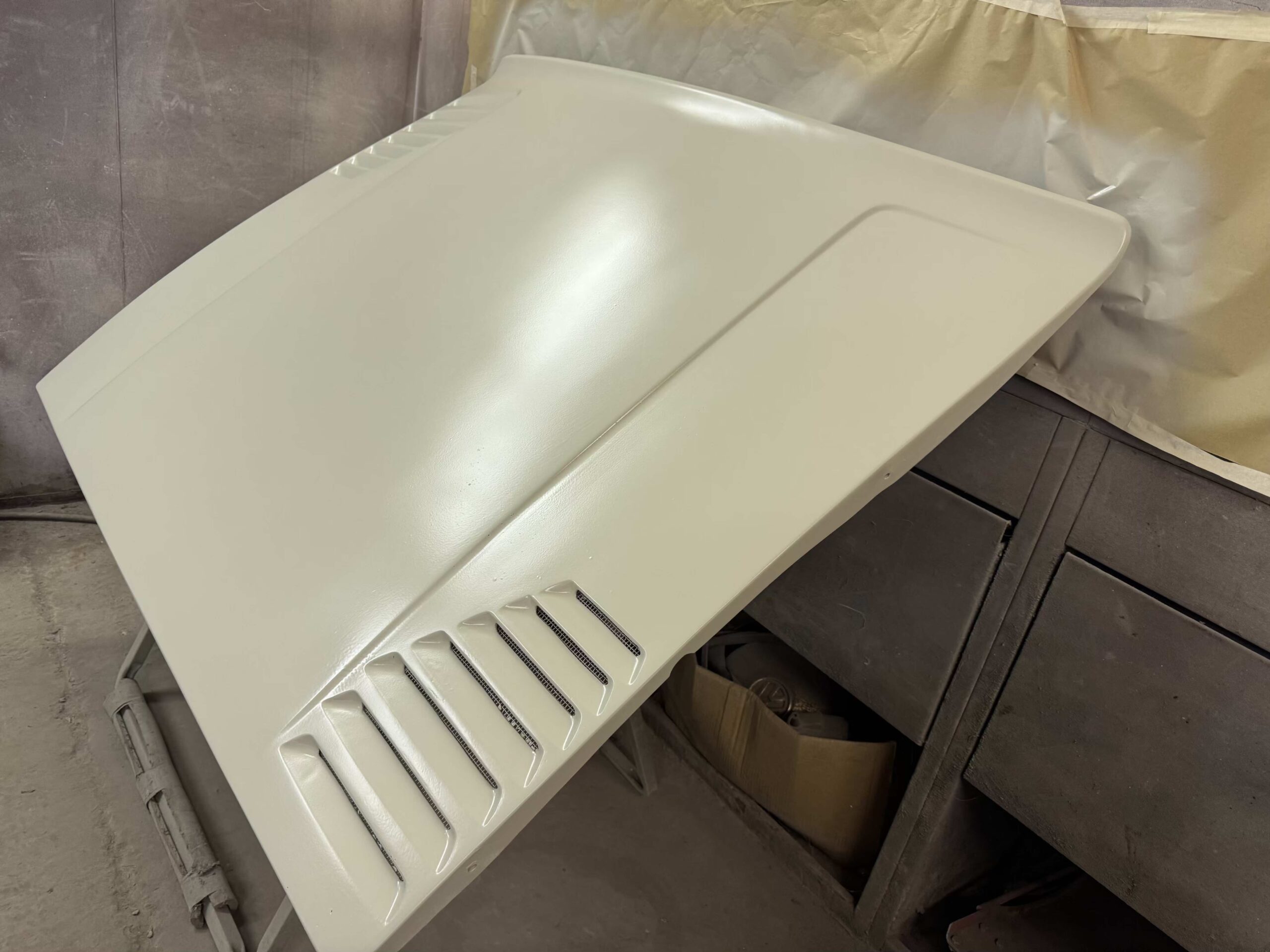
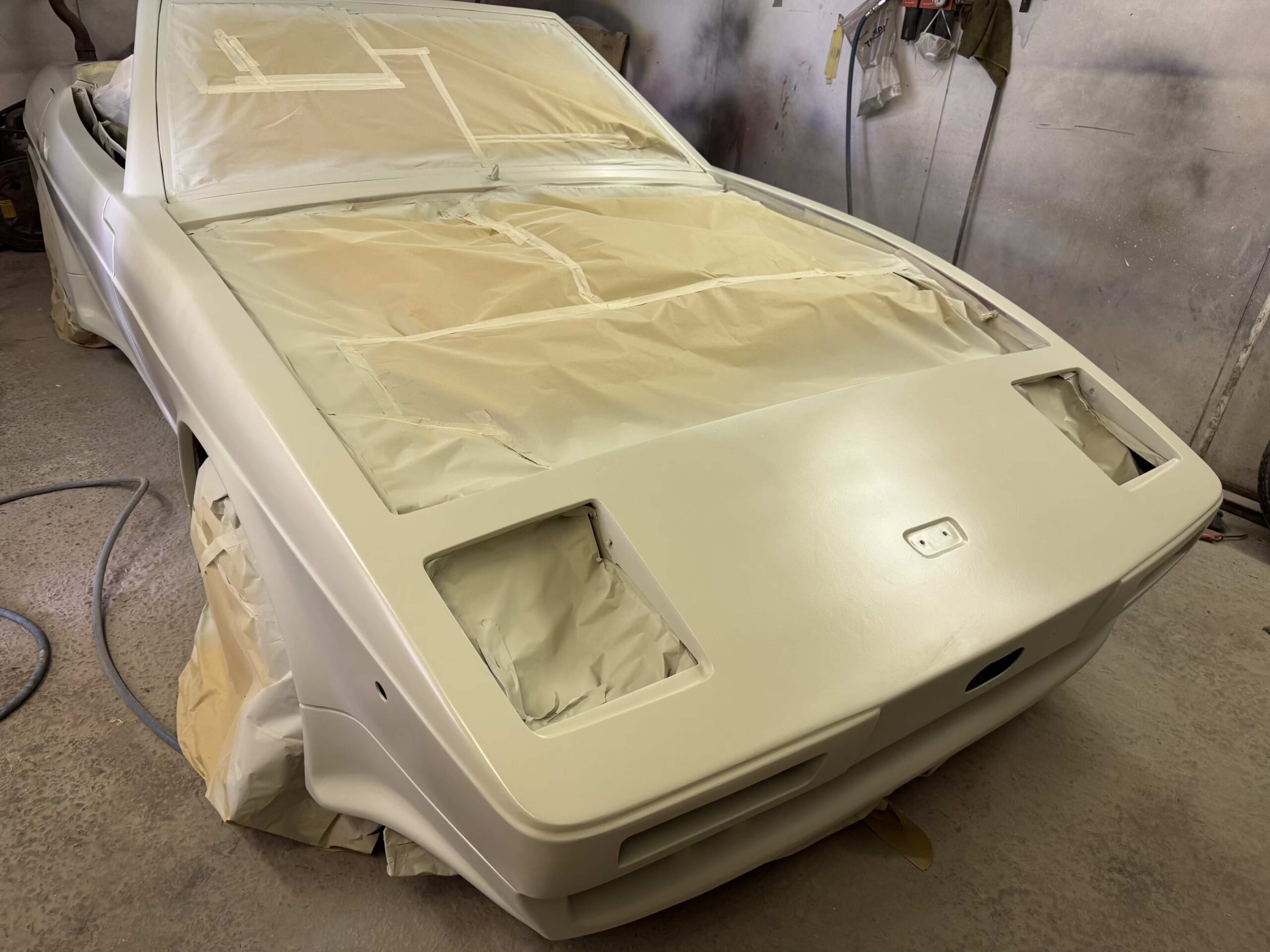
At White’s Bodyworks, body restoration on a TVR starts with stripping back to see what we’re really dealing with. There’s no point in painting over problems. Areas around wheel arches, door shuts, bonnet edges and mounting points get particular attention. If stress fractures are present, they need to be properly opened and structurally repaired, not skimmed over.
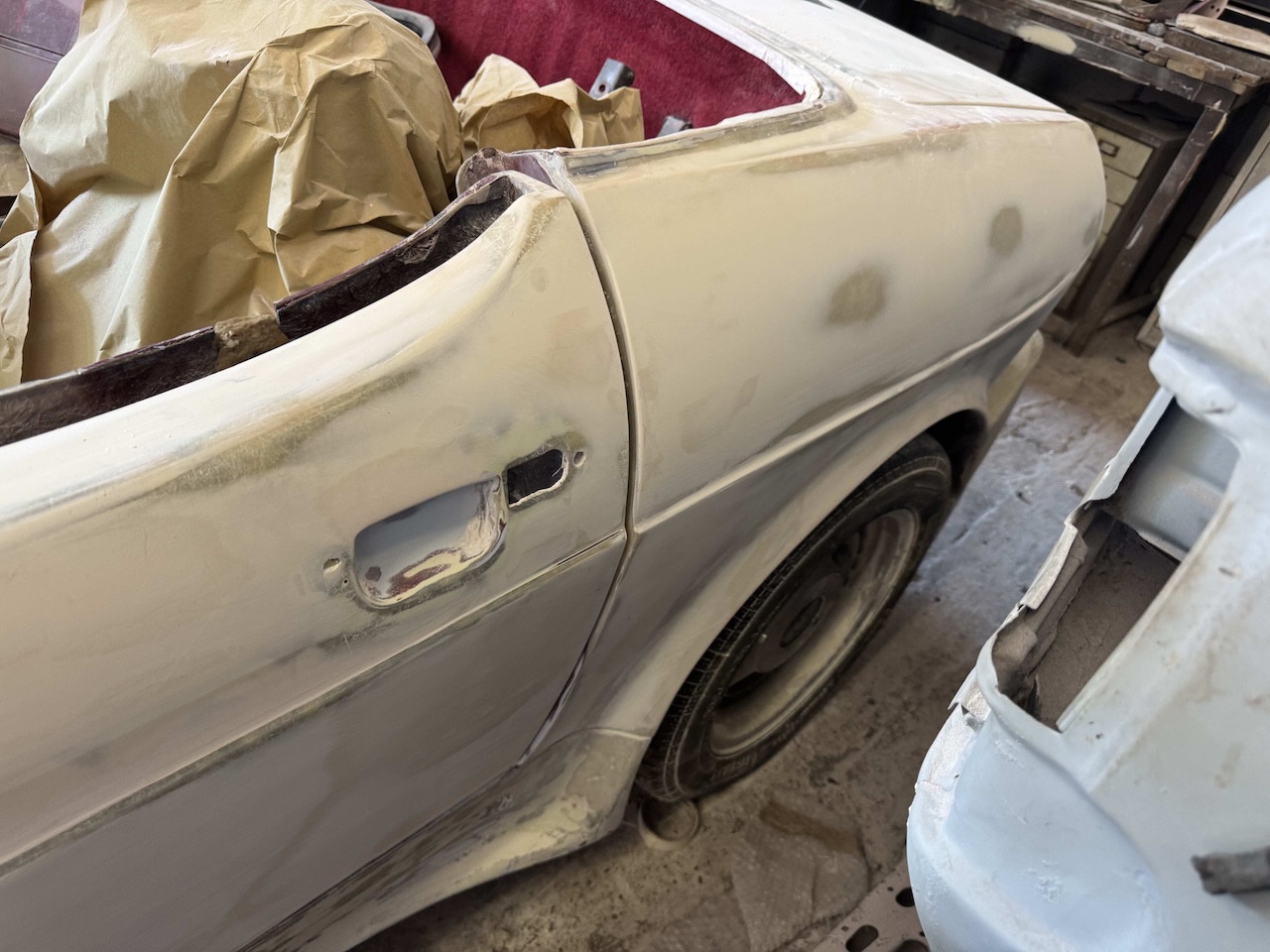
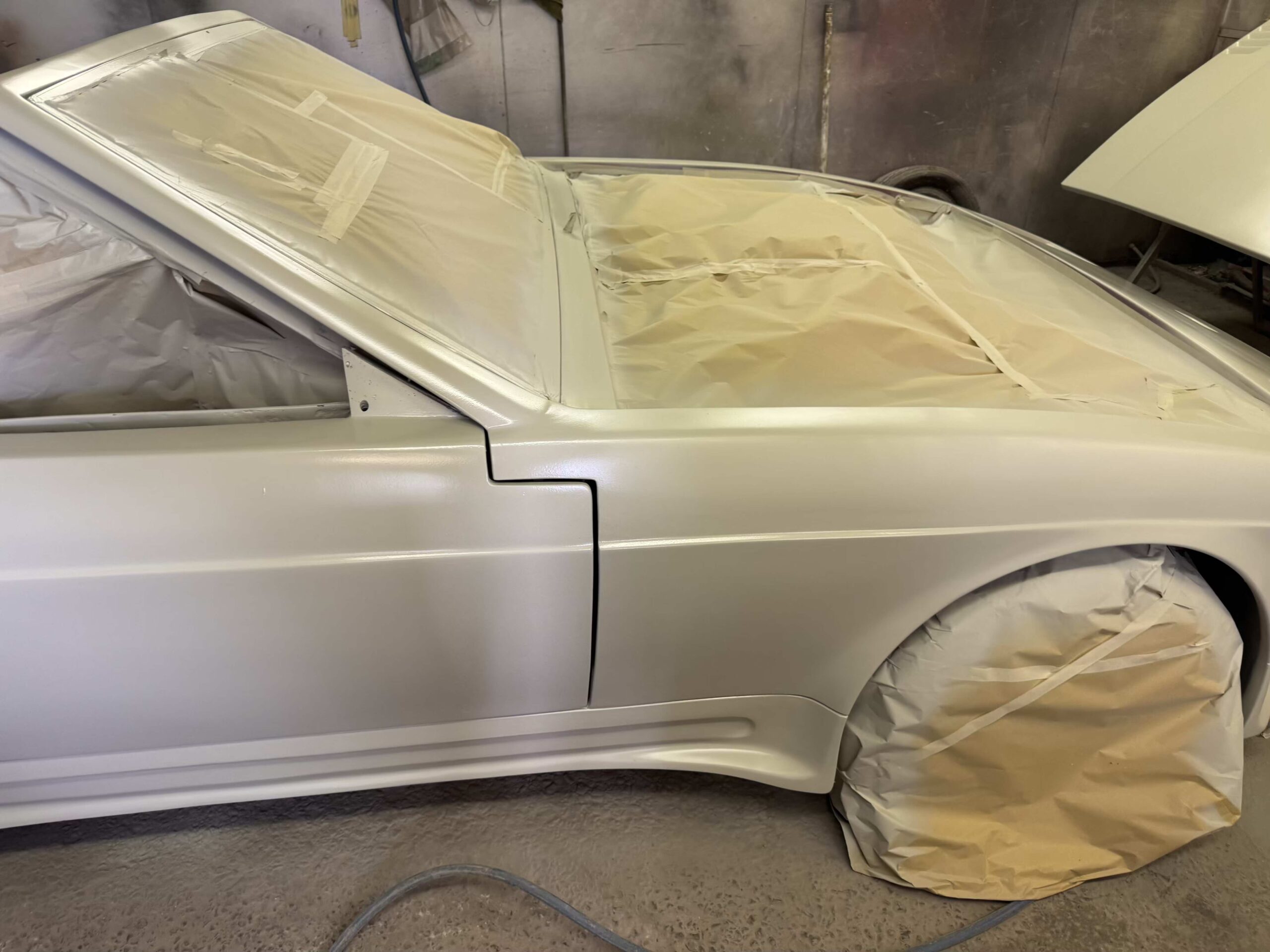
Panel alignment is another area that often needs patience. TVRs were never built with millimetre-perfect shut lines to begin with, but that doesn’t mean they should sit awkwardly. Over time, hinges wear, mounts settle, and panels shift. Careful adjustment and, where necessary, reinforcement can transform the car's appearance without altering its character.
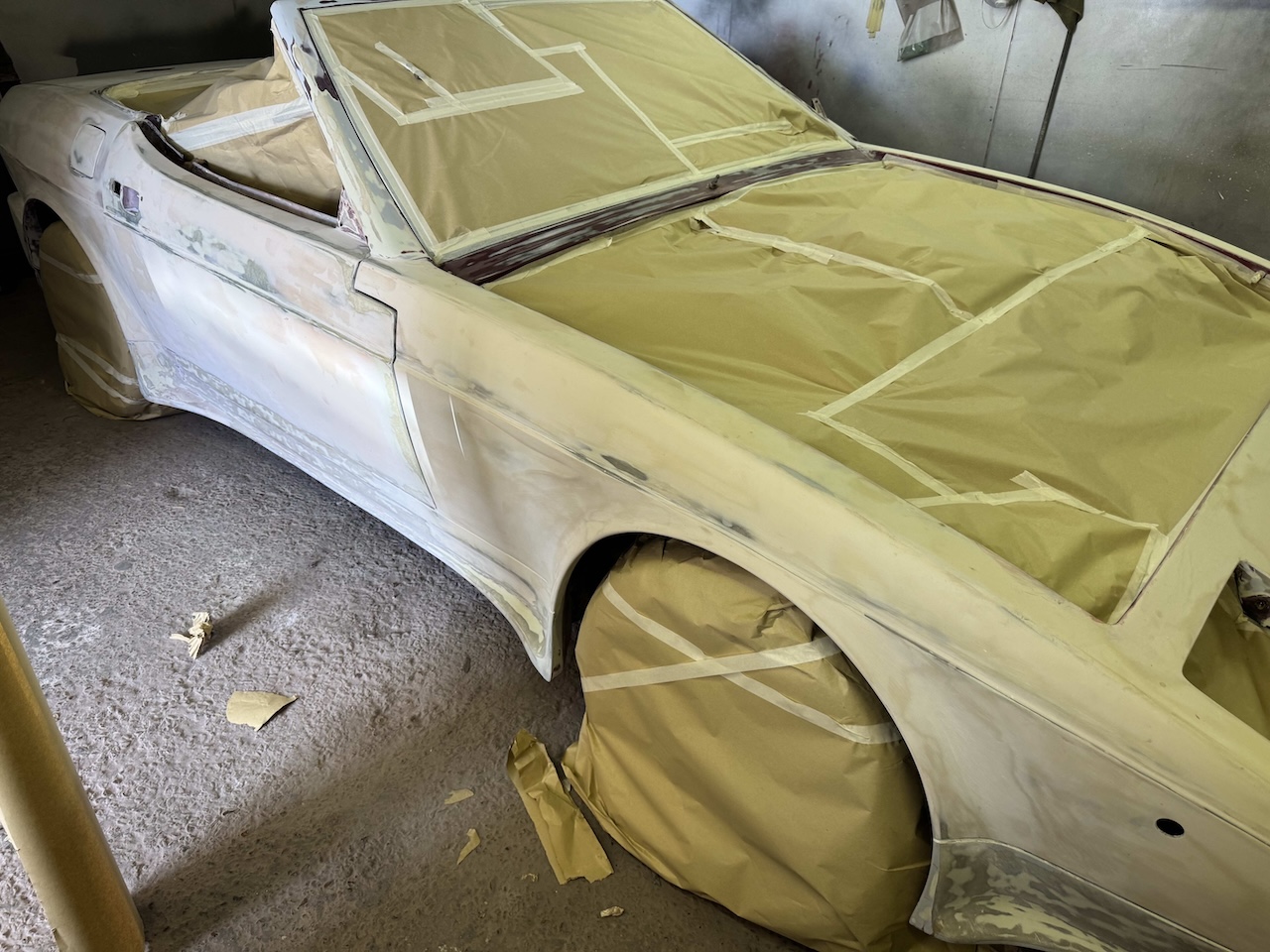
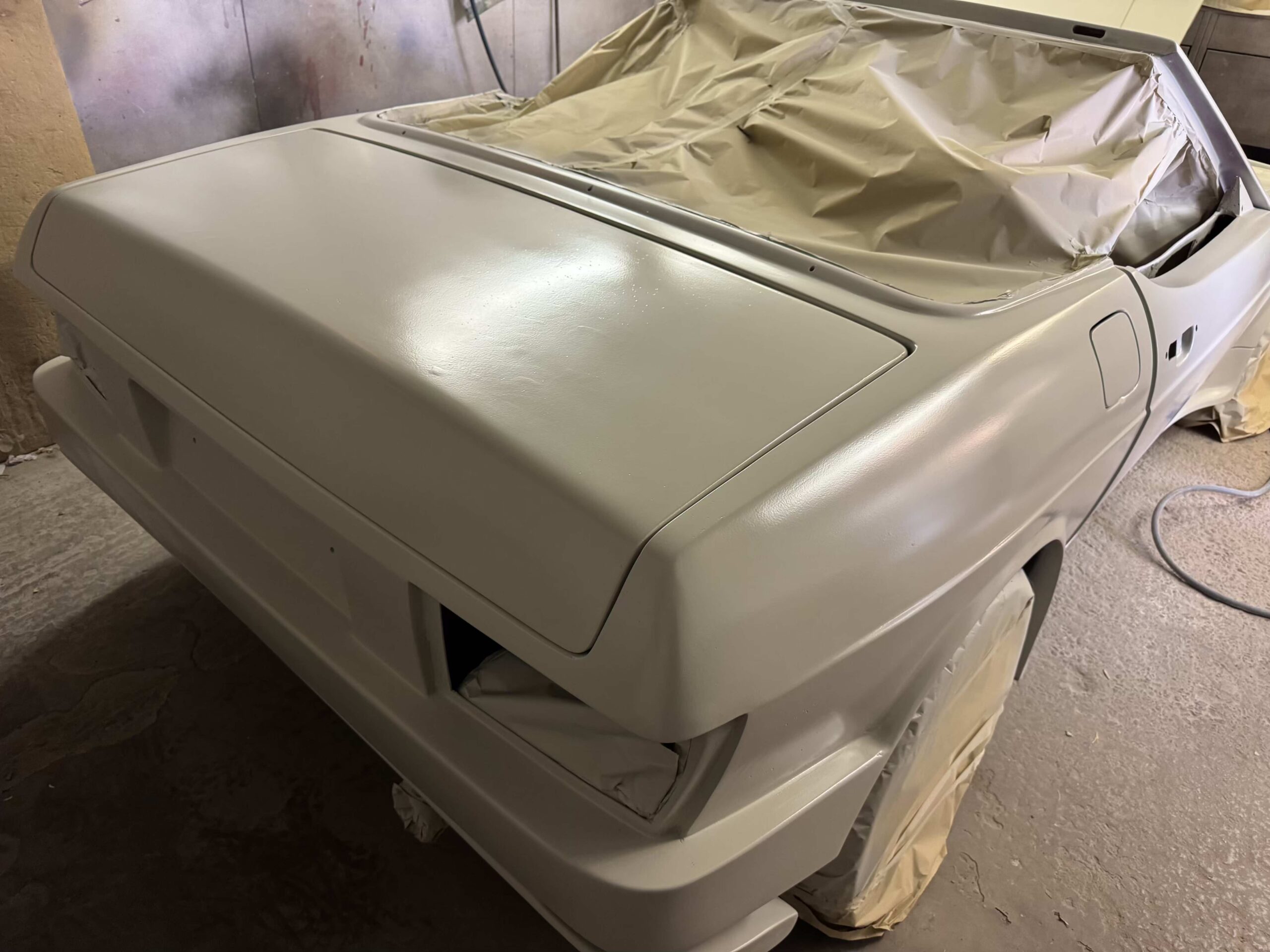
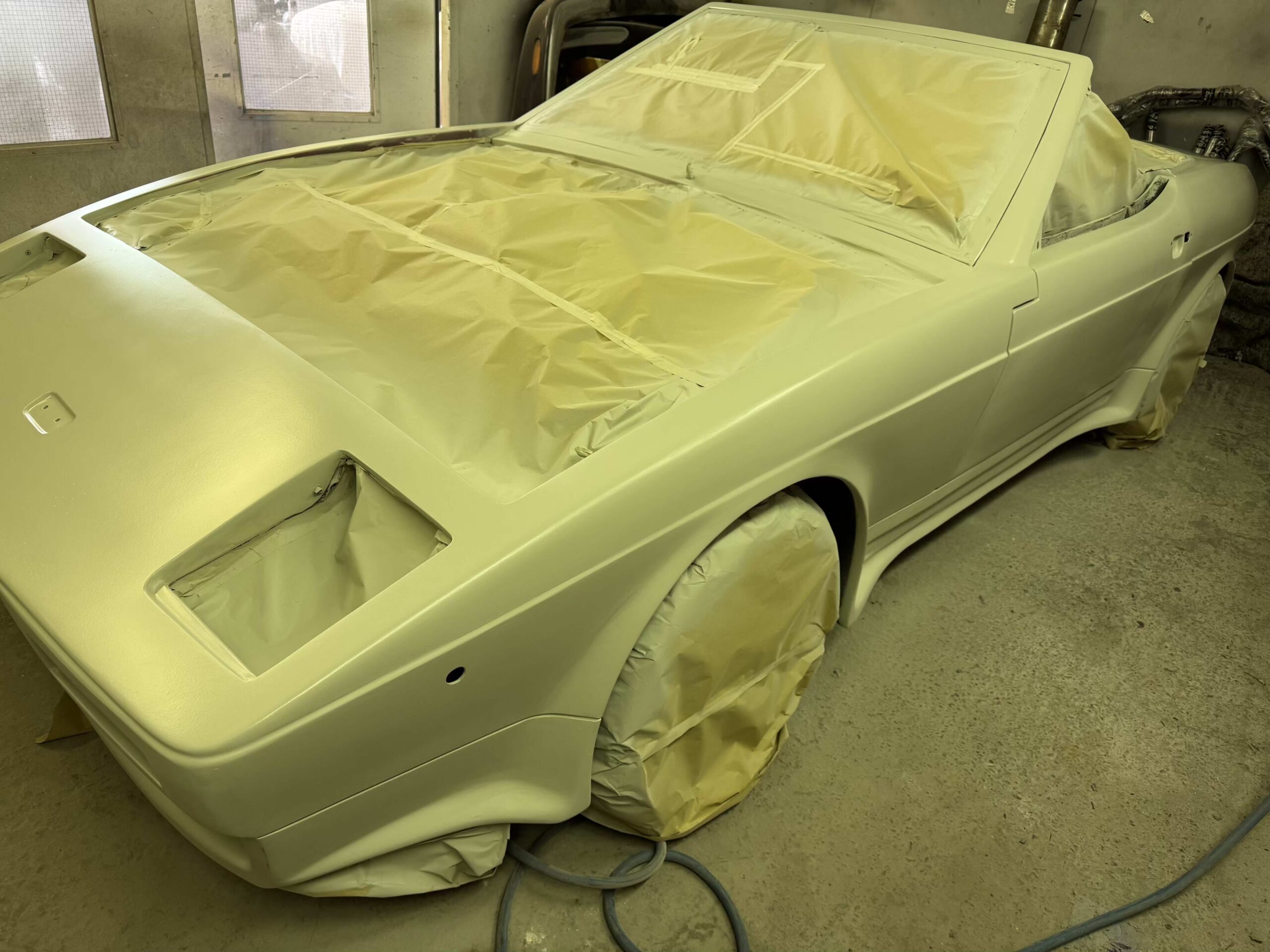
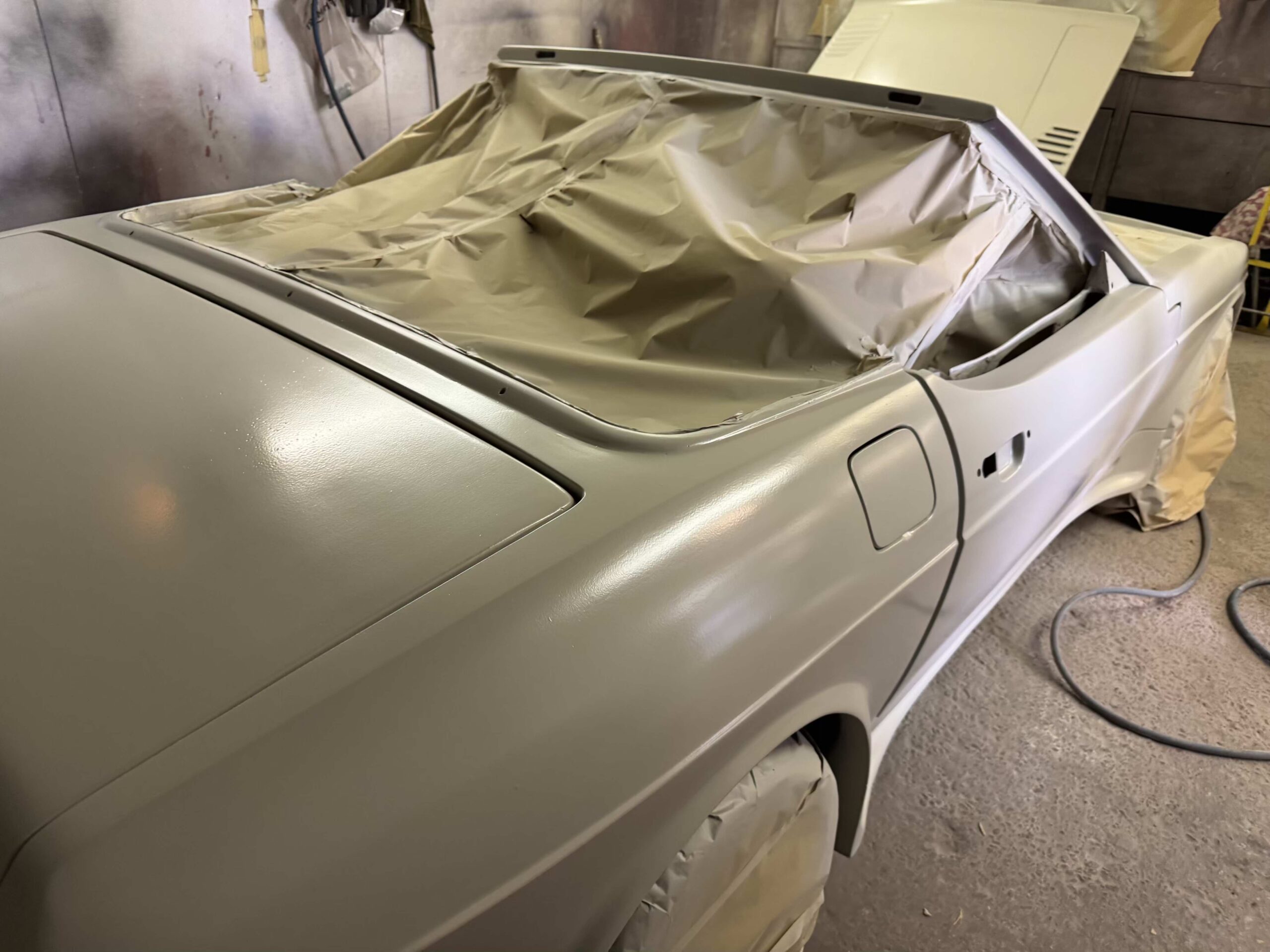
The aim with a project like this isn’t to make the car look over-restored or sterile. TVRs suit a clean, sharp finish, but they should still look like the slightly wild machines they are. Preparation is everything. With fibreglass, surface prep and correct primer systems make the difference between a finish that lasts and one that starts to show marks again in a couple of seasons.
In practice, bodywork restoration is slow work. There’s a lot of inspection, correction and re-checking before colour even comes into it. It’s not the most glamorous stage of a project, but it’s the one that determines how well the final finish holds up.