The Robin Hood kit car is part of a very particular corner of British motoring. These cars were never about luxury or mass production. They came from the kit car world, where owners, builders and enthusiasts wanted something light, simple and involving without the cost of a factory-built sports car.
Inspired by the classic Lotus Seven style of lightweight roadster, Robin Hood cars were usually built around donor components, often from everyday Fords. That is part of what makes them interesting. Each one carries the character of the person who built it, the parts chosen at the time, and the standard of work that went into the original assembly.
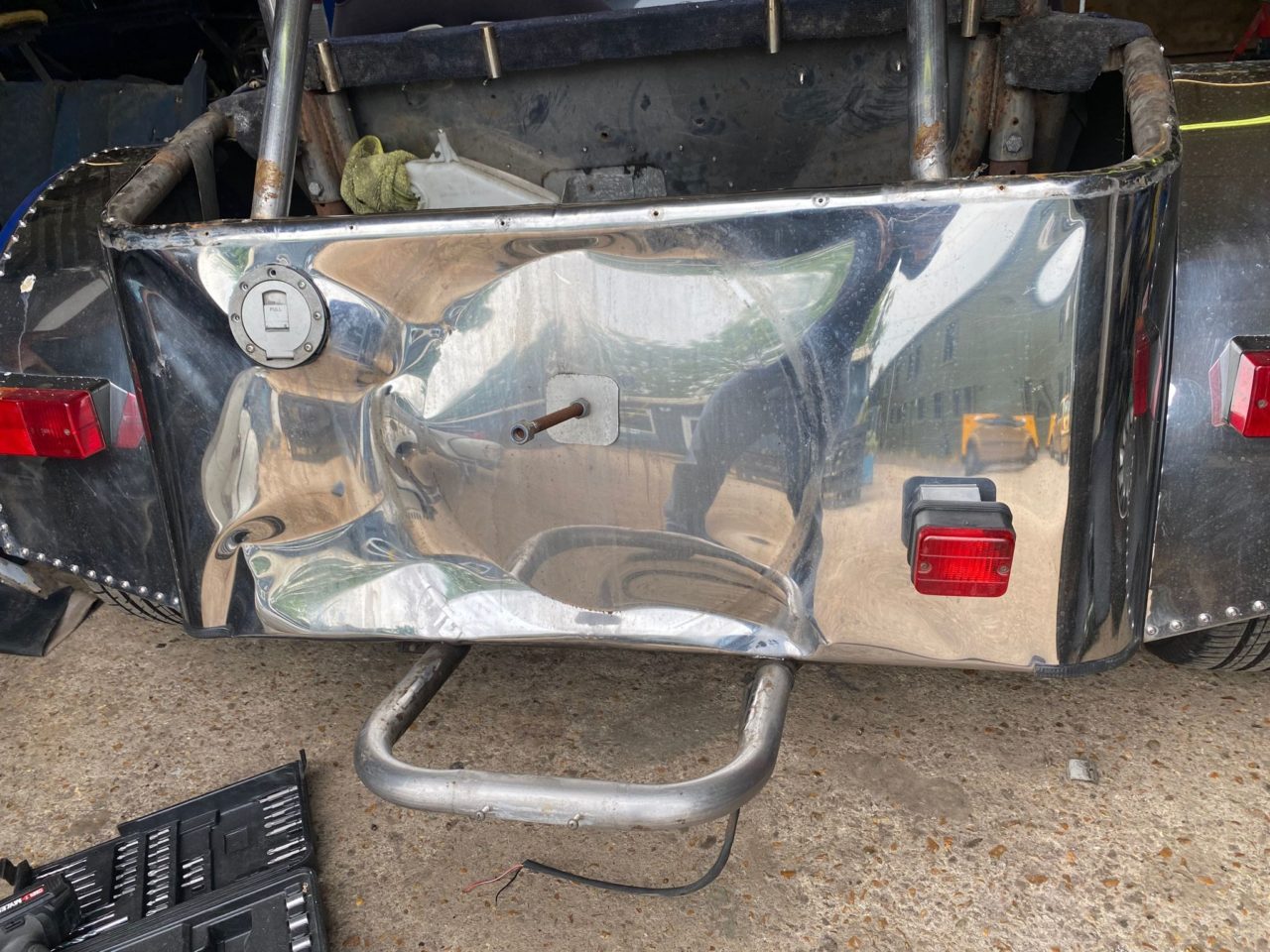
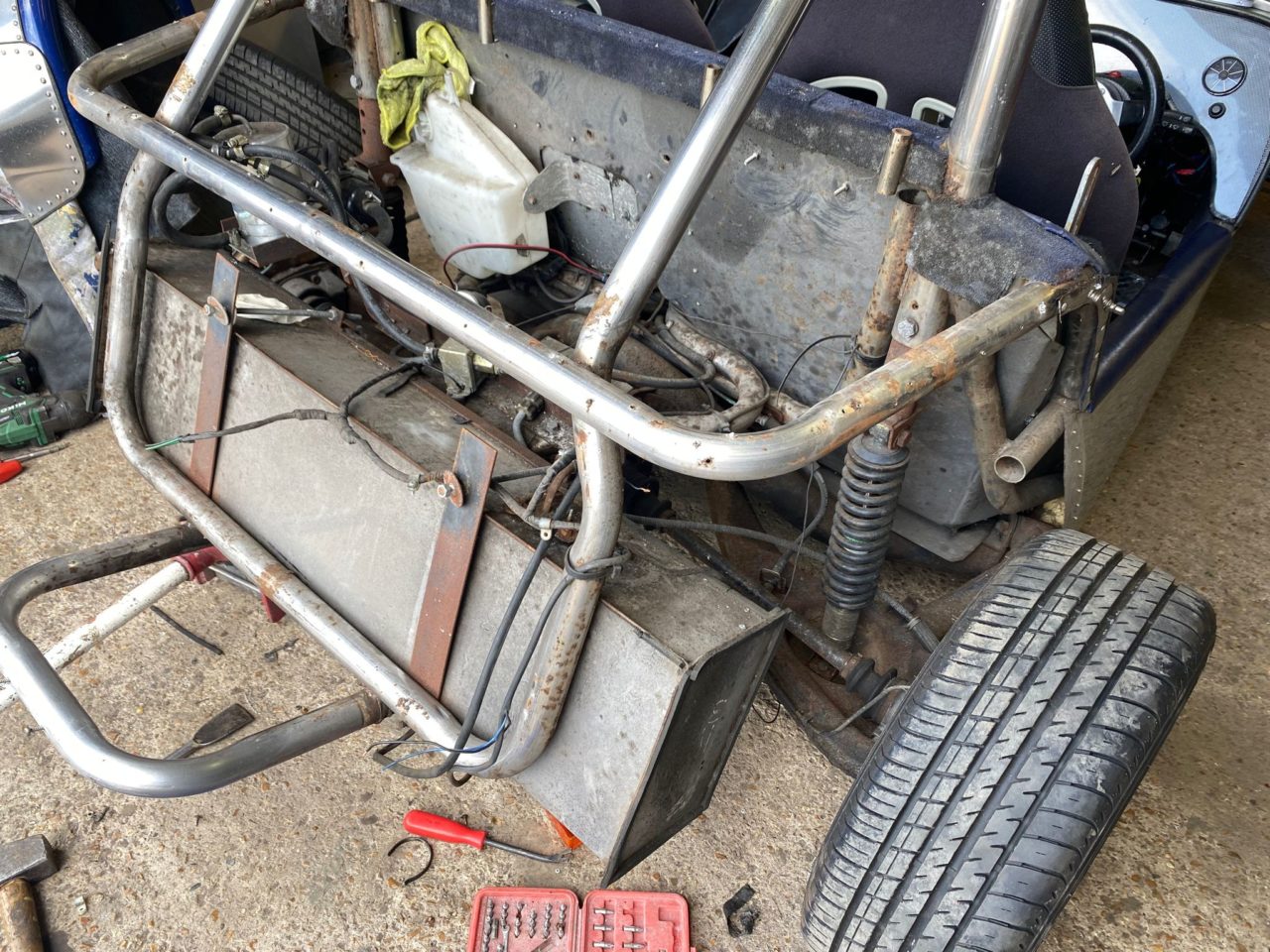
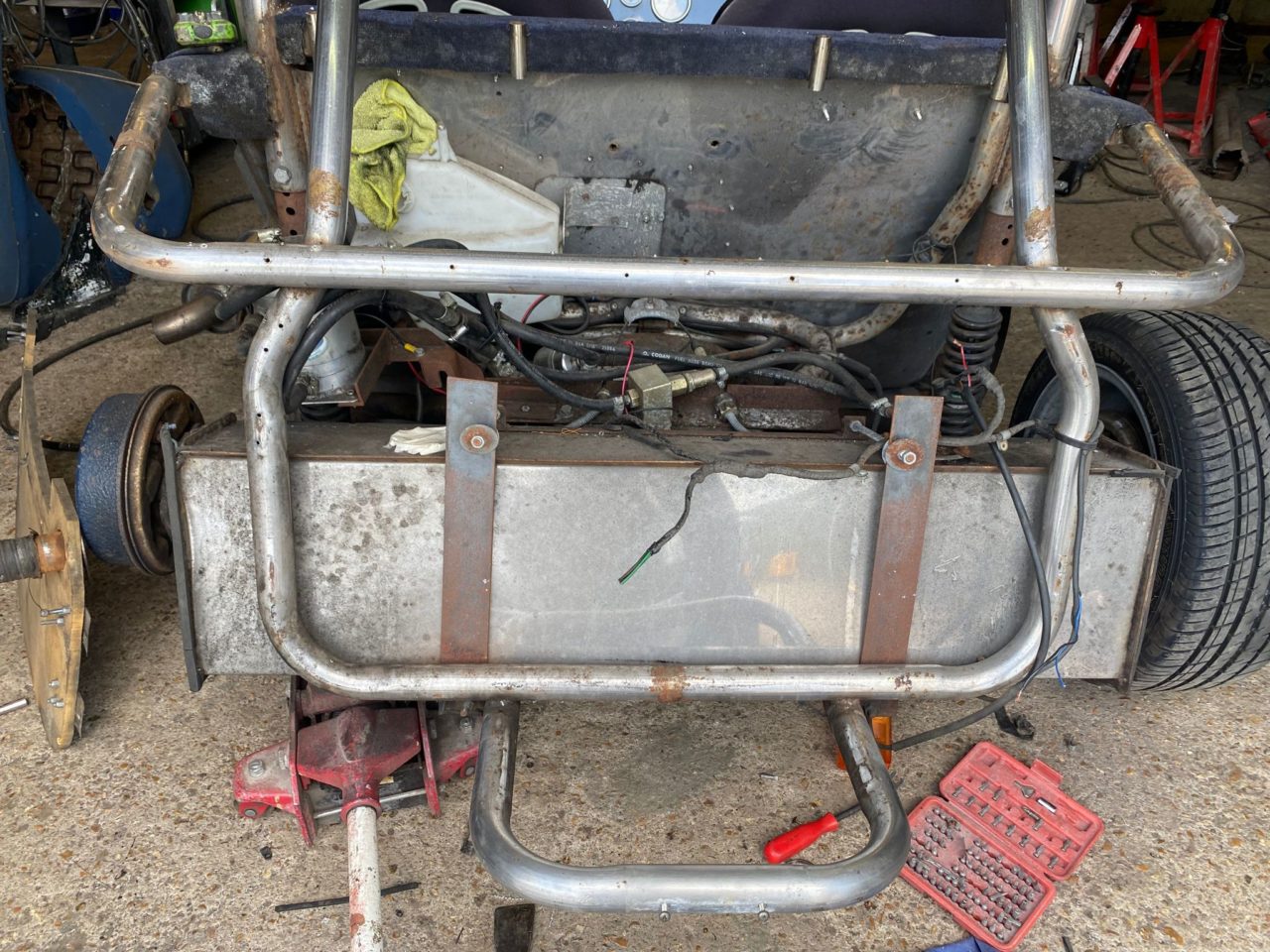
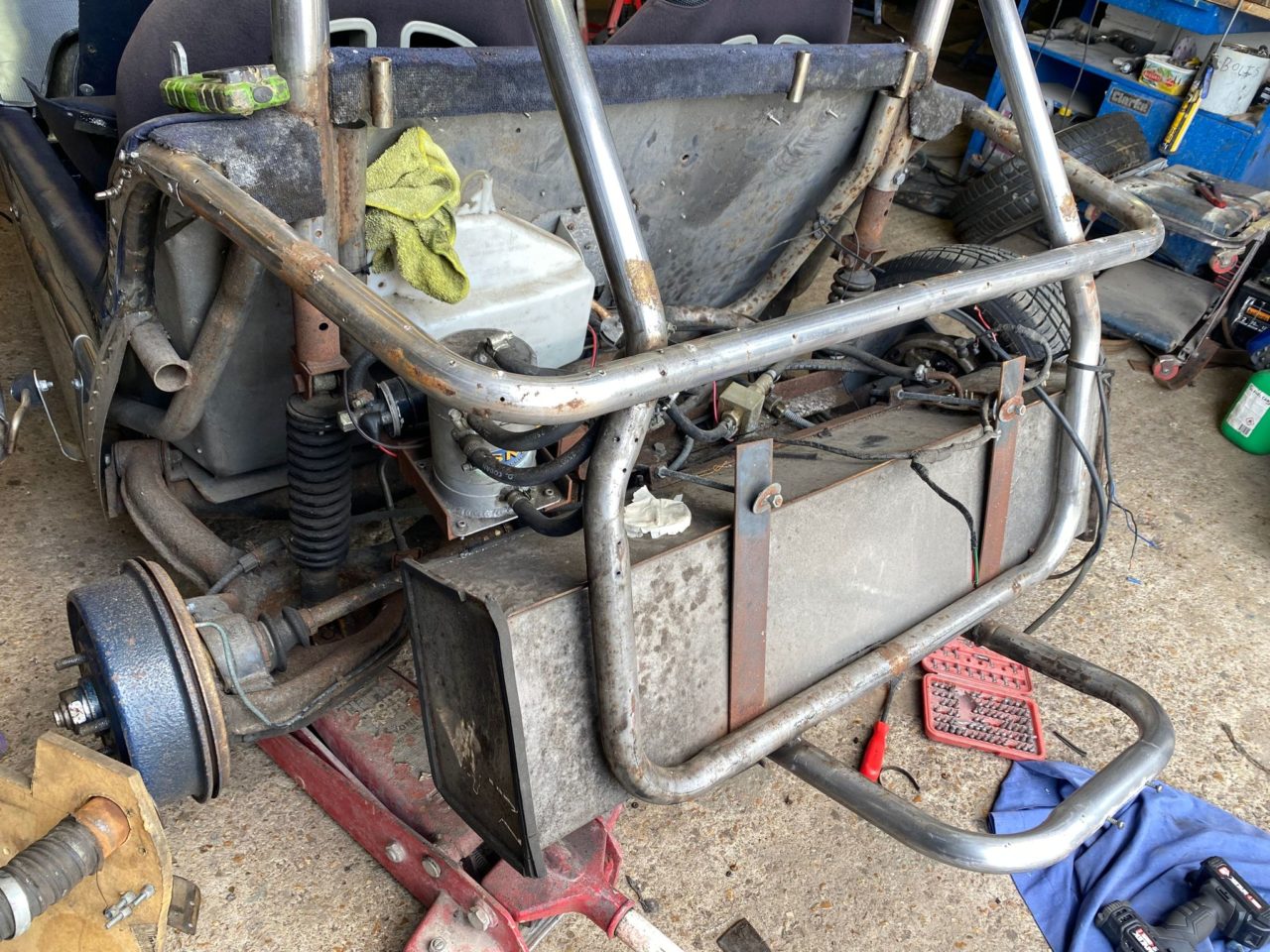
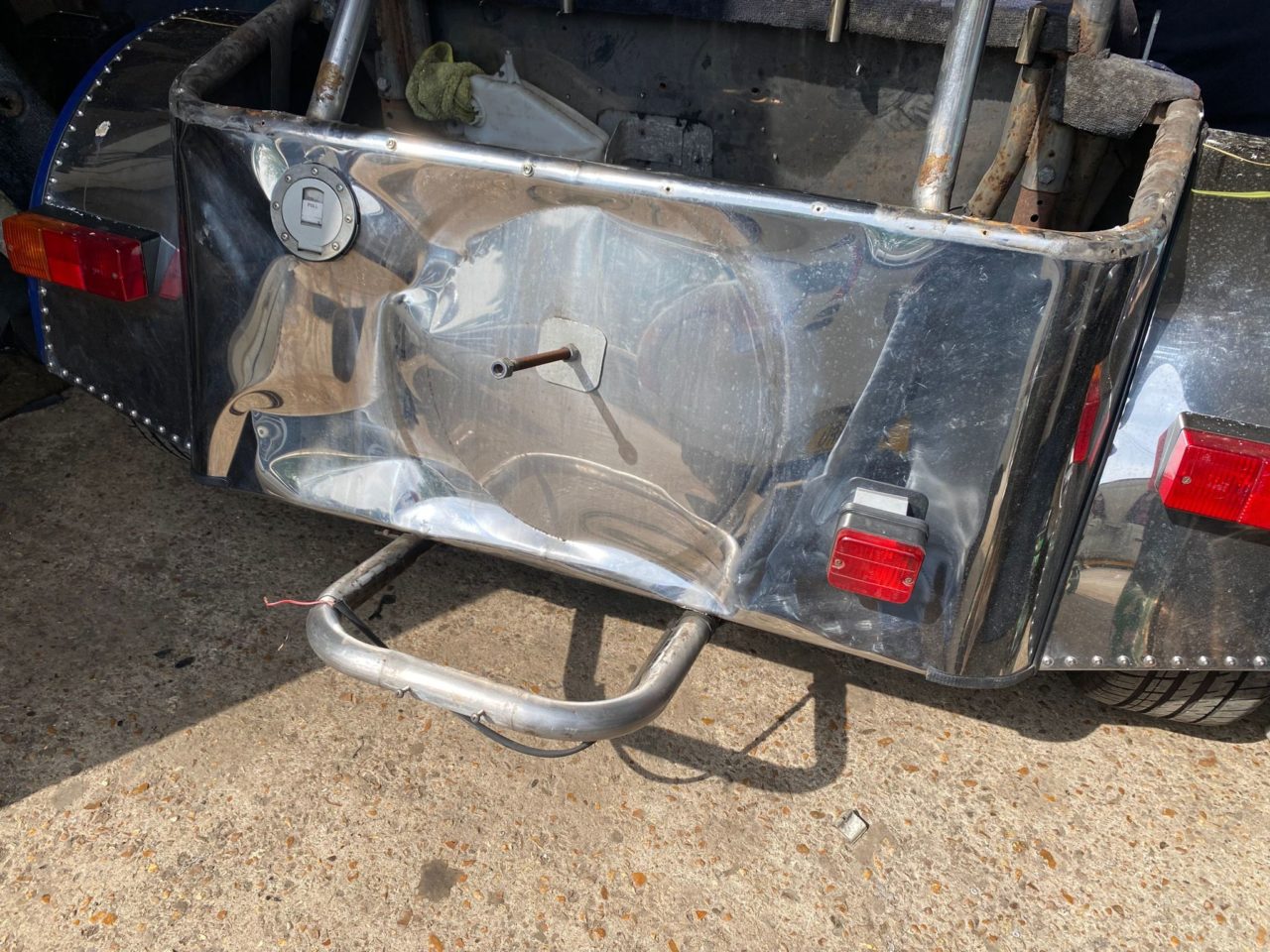
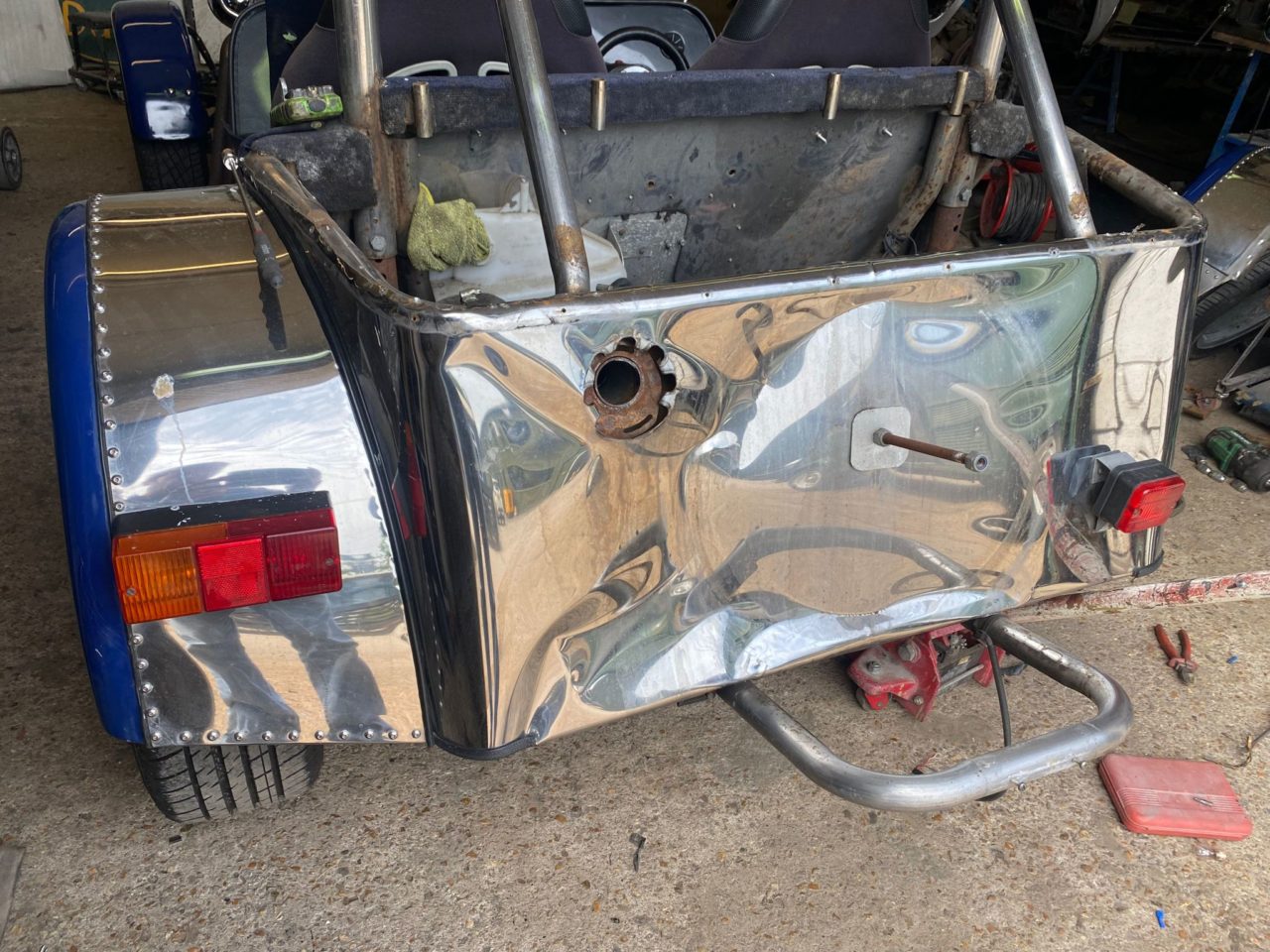
This Robin Hood is in for rear end repair, which is the kind of work that needs a careful eye on a kit-built car. Unlike a production vehicle, where panel structure and repair methods are usually predictable, kit cars can vary significantly from one example to the next. The rear section may involve body panels, chassis elements, mounting points, brackets and fabricated areas that have been altered or adapted over the years.
In practice, rear end damage is rarely just about what can be seen from the outside. A cracked panel, distorted edge or damaged mounting point may be the obvious part, but the surrounding structure has to be checked as well. On a lightweight car, small misalignment can affect how panels sit, how brackets load up, and how the repair will hold once the car is back on the road.
At White’s Bodyworks in Hassocks, West Sussex, repairs like this begin with assessment rather than assumptions. The damaged area needs to be stripped back far enough to understand what has moved, what can be repaired, and what needs fabrication or replacement. With kit cars, that stage matters. You are often dealing with a mixture of original kit components, donor parts and previous owner modifications.
Most people don’t realise how much judgement is involved in repairing this sort of vehicle. The aim is not simply to make the rear end look tidy. It needs to be strong, correctly aligned and sympathetic to the way the car was built. Over-repairing can look heavy-handed. Under-repairing can leave weakness behind. The balance sits somewhere in the middle.
Panel fit and finish also matter, especially on a lightweight open car where the rear section forms such a visible part of the shape. Repairs need to blend into the existing body rather than look like a separate piece of work.
This Robin Hood is still in progress, but the direction is straightforward: repair the rear end properly, preserve the character of the kit car, and make sure the finished work is solid enough for continued use. Cars like this are built to be driven, not hidden away, and good repair work helps keep them doing exactly that.